
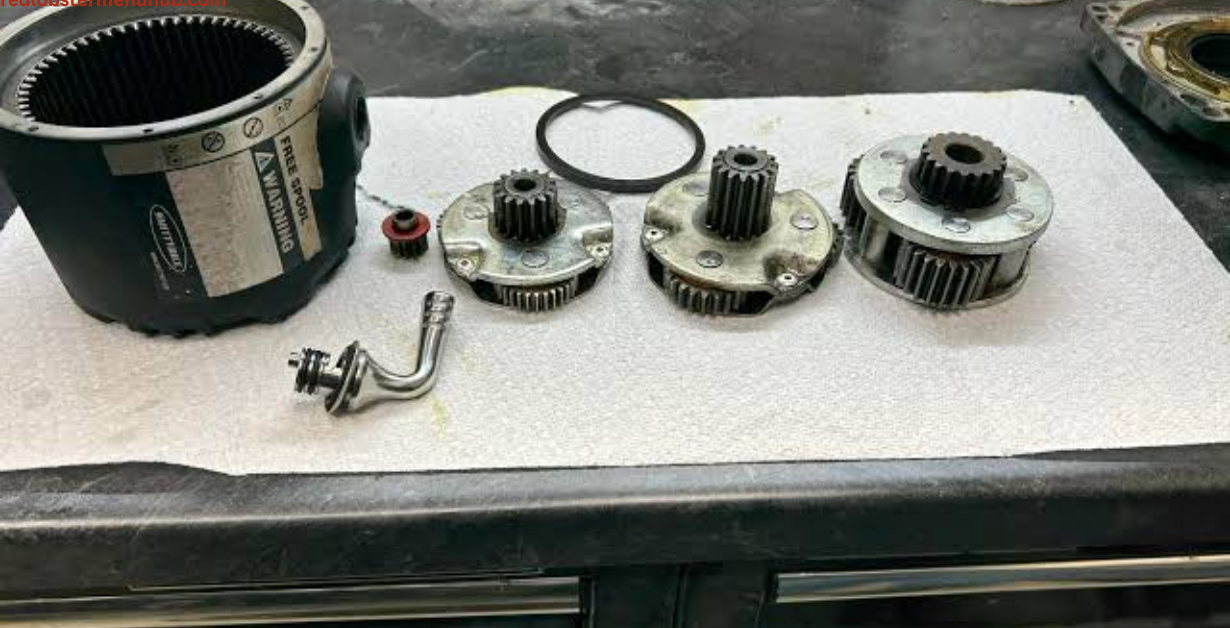
Grease is essential for keeping a boat winch operating smoothly, but more lubricant does not always mean better protection. Applying too much grease can attract dirt, restrict movement, damage seals, and contribute to premature wear.
So, can you over-grease a boat winch?
Yes. Over-greasing a boat winch can cause problems, especially when the wrong lubricant is used or grease is applied to parts that should remain dry. Proper lubrication protects gears, bearings, and moving components, but excess grease can interfere with the winch’s operation and create new sources of friction.
This guide explains how over-greasing affects a boat winch, where grease belongs, how often to lubricate it, and how to prevent premature wear.
If you’re still deciding between a personal locator beacon and a satellite messenger, the right choice depends on how you plan to use it. Our guide, Personal Locator Beacon vs. Satellite Messenger: Which Is Better?, explains the key differences in emergency signaling, messaging, and practical use.
Why Does a Boat Winch Need Grease?
A boat winch contains moving parts that experience friction and load. Depending on the type of winch, these parts may include:
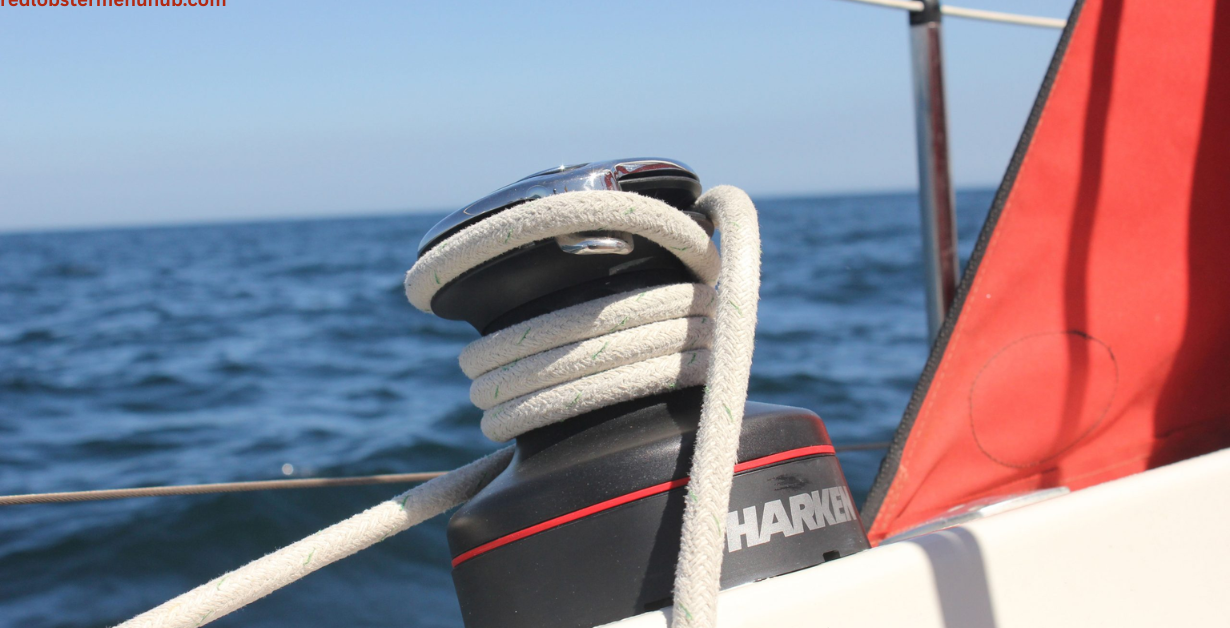
● Gears
● Bearings or bushings
● Shafts
● Pawls
● Ratchets
● Spindles
● Bushings
● Drive mechanisms
● Brake components
● Cable or rope guides
A suitable marine grease creates a protective film between metal surfaces. This reduces direct contact, lowers friction, and helps protect components from moisture and corrosion.
Marine grease is particularly important in boating applications because equipment may be exposed to:
● Saltwater
● Freshwater
● Humidity
● Spray
● Mud
● Sand
● Dust
● Temperature changes
Without adequate lubrication, a winch may become stiff, noisy, difficult to operate, or vulnerable to accelerated wear.
If you’re new to PLBs and want to understand exactly what these devices do, it helps to start with the basics. Read What Is a Personal Locator Beacon? How PLBs Work for a simple explanation of how these emergency devices operate and when they may be useful.
Can You Over-Grease a Boat Winch?
Yes. A boat winch can be over-greased when more lubricant is applied than the components need or when grease is placed in the wrong areas.
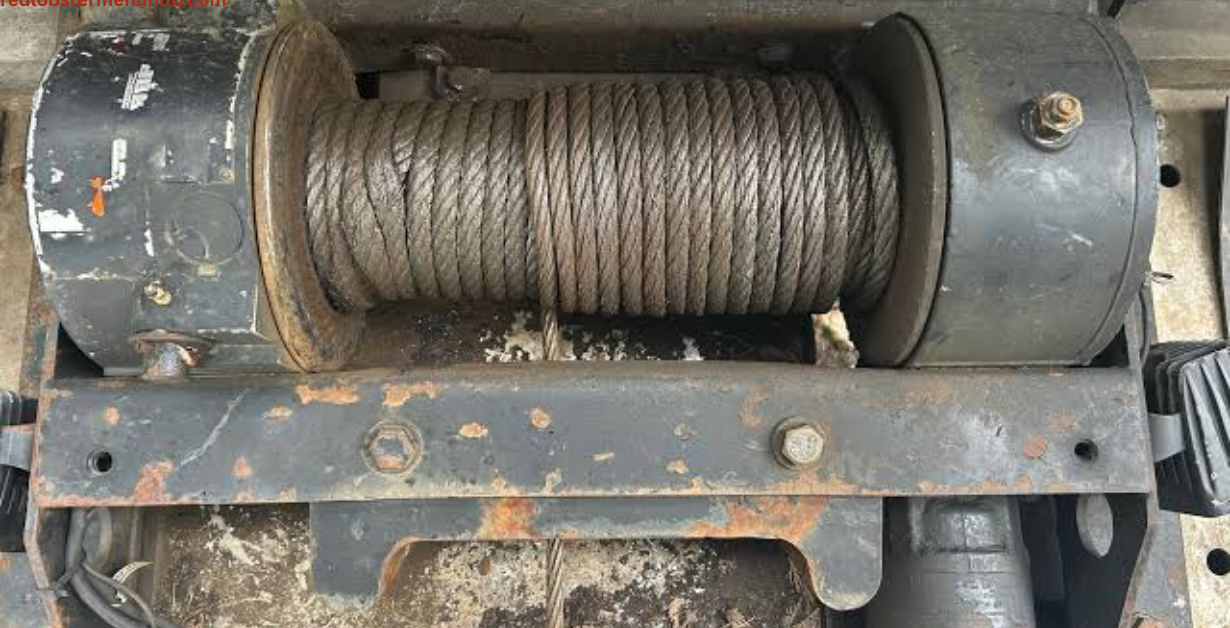
Excess grease may:
● Increase drag
● Make the winch harder to turn
● Attract abrasive dirt and sand
● Prevent pawls from moving freely
● Push against seals
● Contaminate brake surfaces
● Trap moisture
● Cause grease to migrate onto ropes or cables
● Make inspections more difficult
Grease is most effective when it forms a thin, even film on the appropriate components. Packing every cavity with lubricant can interfere with the way the winch is designed to work.
How Excess Grease Causes Premature Wear
Over-greasing is not always immediately obvious. A winch may continue to function while excess lubricant gradually contributes to wear.
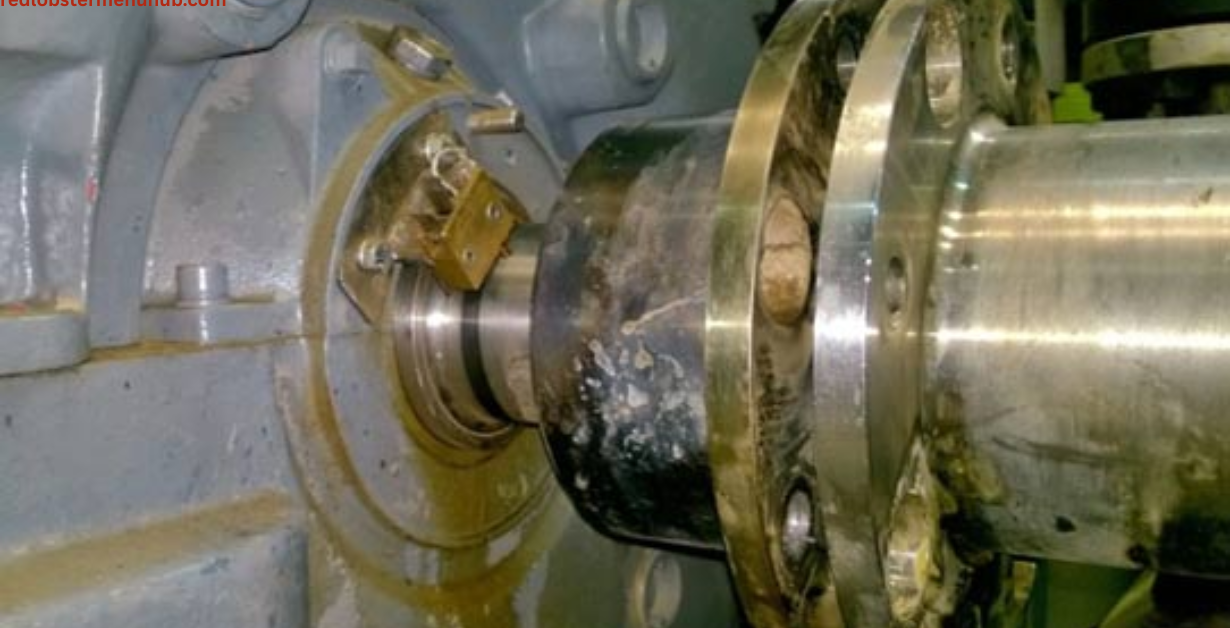
1. Grease attracts dirt and abrasive particles
A thick layer of grease can collect sand, dust, metal particles, and other contaminants. When these particles work into gears or bearings, they can behave like an abrasive compound.
The result may include:
● Scored gear teeth
● Worn bushings
● Rough shaft movement
● Increased friction
● Premature bearing failure
This is especially problematic for trailer winches used near boat ramps, beaches, and unpaved launch areas.
Personal locator beacons can also be relevant beyond hiking and wilderness adventures, especially when traveling through remote areas in an RV. For more practical information, see RV Safety: Do Personal Locator Beacons Save Your Bacon? How PLBs Can Save Your Life.
2. Pawls may stop moving freely.
Some boat winches use pawls and ratchets to control movement and hold a load. These components often need to move quickly and engage positively.
Too much grease can create hydraulic resistance or sticky buildup around the pawls. If a pawl does not engage correctly, the winch may slip or fail to hold the load as intended.
A pawl that is contaminated with heavy grease may also become slow to release, making the winch difficult or unsafe to operate.
3. Excess lubricant can increase drag.
A winch is designed with clearances between moving components. Filling those spaces with excessive grease can create resistance as the parts rotate.
You may notice:
● A stiff handle
● Greater effort required to turn the winch
● Slower cable retrieval
● Uneven rotation
● Heat or unusual noise during operation
The added resistance places more load on the handle, gears, shaft, and mounting hardware.
4. Grease can damage or bypass seals
Too much grease can build pressure inside a sealed housing. This pressure may push lubricant past seals or force contaminants into areas that should remain protected.
Once a seal begins to leak, water can enter the housing and dilute or displace the grease. Corrosion may then develop on gears, shafts, or bearings.
5. Grease can contaminate braking surfaces
Some winches use friction-based braking components. These surfaces need controlled friction to hold a load.
If grease reaches a brake disc, drum, clutch, or friction washer, the braking performance may be reduced. The winch could slip under load or fail to hold the boat securely.
Never assume that every internal part should be greased. Friction surfaces often need to remain clean and dry unless the manufacturer specifically calls for a particular lubricant.
6. Excess grease can hide developing problems
A heavy layer of grease may conceal:
● Cracked components
● Corrosion
● Worn gear teeth
● Loose fasteners
● Damaged seals
● Frayed cable
● Water intrusion
Regular cleaning and inspection are important. A clean component is easier to evaluate than one covered in old, contaminated lubricant.
Where Should You Apply Grease on a Boat Winch?
The correct lubrication points depend on the design and manufacturer’s instructions. In general, grease is commonly applied to components such as:
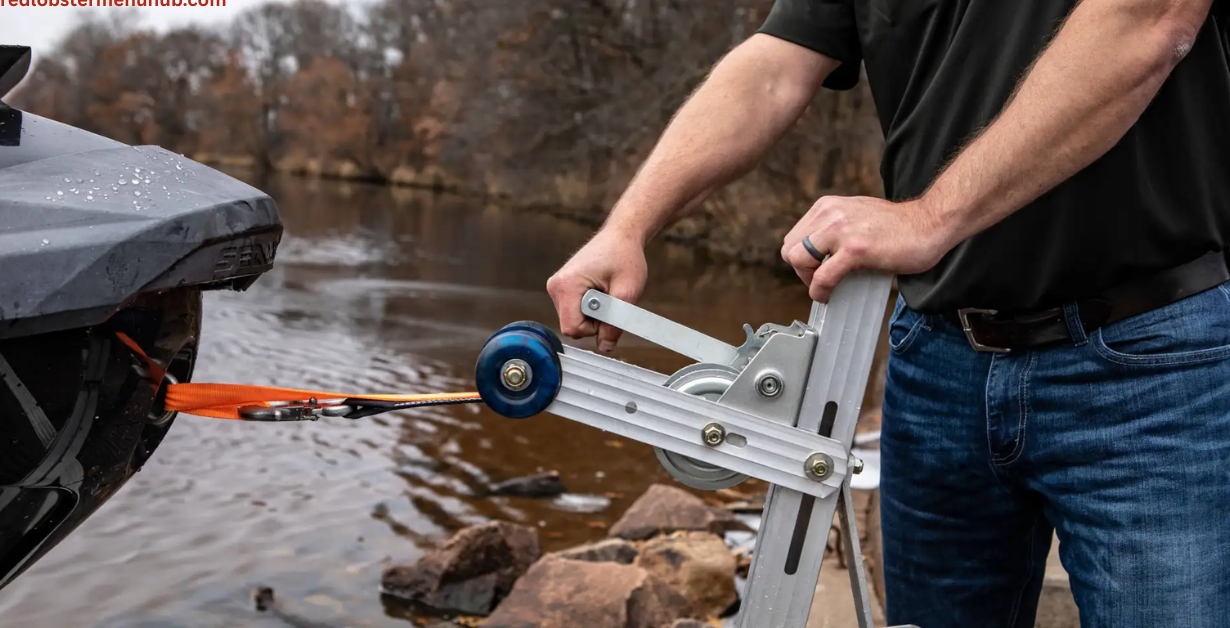
● Gear teeth
● Bushings
● Bearings
● Shafts
● Spindles
● Load-bearing pivot points
● Gearbox components
● Threads or contact surfaces specified by the manufacturer
The best approach is to disassemble the winch as directed, clean the components, inspect them, and apply a thin layer of compatible marine grease to the designated areas.
Do not assume that grease belongs on:
● Brake discs
● Friction washers
● Ratchet teeth
● Rope or strap surfaces
● Cable drums
● Handles or exterior surfaces
● Electrical contacts
● Rubber or plastic parts
Some components may require oil, dry lubricant, a specialized assembly compound, or no lubricant at all.
What Type of Grease Should You Use?
Use a lubricant recommended by the winch manufacturer whenever possible. If the manual specifies marine grease, choose a product designed to resist water washout and corrosion.
A suitable marine grease may offer:
● Water resistance
● Corrosion protection
● Good adhesion
● Appropriate temperature performance
● Compatibility with the winch’s seals and materials
● Protection under heavy loads
Avoid mixing different types of grease unless compatibility is confirmed. Some greases use different thickener systems or additives that may not work well together. Mixing incompatible products can cause the lubricant to separate, harden, soften, or lose its protective properties.
Also, avoid using automotive grease by default. A product that works well in a dry automotive application may not provide adequate protection in a marine environment.
Grease, Oil, or Dry Lubricant?
Different winch components may require different products.
Marine grease
Marine grease is generally suited to gears, bearings, shafts, and other parts that need durable water-resistant lubrication.
Light machine oil
A light oil may be recommended for small pivots, pawls, or springs where heavy grease could slow movement. Use only the amount specified by the manufacturer.
Dry lubricant
A dry lubricant may be appropriate for certain locks, sliding mechanisms, or surfaces where attracting dirt would be a problem.
No lubricant
Brake and friction surfaces often need to remain clean and free from grease. Lubricating these areas can create a safety issue.
The product label is not enough to determine compatibility. Always check the winch’s service instructions.
Signs Your Boat Winch May Be Over-Greased
A winch may be over-greased if you notice one or more of the following symptoms:
● The handle is unusually difficult to turn.
● The winch rotates unevenly.
● The pawl does not engage or release smoothly.
● Grease is leaking from the housing.
● The winch attracts large amounts of sand or dirt.
● Grease appears on a brake or friction surface.
● The cable, strap, or rope becomes contaminated.
● The winch makes a sluggish or grinding sound.
● Grease is being pushed out around seals.
● The winch requires more effort than it did after servicing.
These signs do not prove that over-greasing is the cause. Corrosion, worn gears, damaged bearings, misalignment, excessive loading, or a failing brake can produce similar symptoms.
How Much Grease Should You Apply?
The general rule is to apply a thin, even coating to the specified moving surfaces.
You usually do not need to fill the entire housing with grease. The goal is to coat contact surfaces without creating large pools or forcing lubricant into every gap.
A proper application should:
● Cover the working surface
● Avoid large clumps
● Keep grease away from friction surfaces
● Avoid blocking drainage or inspection points
● Prevent excess lubricant from reaching rope, cable, or strap material
● Leave pawls and springs free to move
If grease squeezes out immediately when the housing is assembled, too much may have been applied.
How to Properly Grease a Boat Winch
Follow the manufacturer’s instructions first. The general process is as follows.
1. Remove the load.
Before servicing the winch, remove tension from the strap, rope, or cable. If the winch is attached to a trailer, secure the boat and trailer so they cannot move unexpectedly.
Never service a loaded winch.
2. Clean the exterior.
Remove mud, sand, salt deposits, and loose debris before opening the winch. Cleaning the outside reduces the chance of contaminants entering the housing.
3. Disassemble carefully.
Place small components in order as you remove them. Take photos if necessary. Pawls, springs, washers, and spacers may need to be reinstalled in a specific orientation.
4. Remove old grease.
Wipe away old lubricant and contaminated buildup with a suitable solvent or cleaner. Use a product compatible with the winch’s metal, plastic, rubber, and painted surfaces.
Allow components to dry completely before applying fresh grease.
5. Inspect the components
Check for:
● Pitting
● Rust
● Cracks
● Scored shafts
● Worn gear teeth
● Loose bushings
● Damaged pawls
● Weak or broken springs
● Hardened seals
● Water or metal contamination
Replacing damaged parts is more effective than trying to solve a mechanical problem with additional grease.
6. Apply the correct lubricant.
Use a clean brush, applicator, or gloved finger to apply a light coating to the specified surfaces. Avoid applying grease indiscriminately.
7. Reassemble and operate the winch.
Reassemble the winch correctly, then rotate the handle several times without a load. This distributes the lubricant and helps reveal stiffness, binding, or unusual noise.
8. Wipe away excess grease.
Remove grease that squeezes out of the housing or collects around exposed surfaces. Exterior grease attracts dirt and can spread to the cable, strap, or hands.
9. Test under controlled conditions
Before relying on the winch, test it with the appropriate load and safety precautions. Confirm that the ratchet, pawl, brake, and handle operate correctly.
How Often Should You Grease a Boat Winch?
There is no universal lubrication schedule for every boat winch. The correct interval depends on:
● Manufacturer recommendations
● Frequency of use
● Saltwater exposure
● Freshwater exposure
● Rain and spray
● Mud and sand contamination
● Storage conditions
● Winch age
● Load and operating conditions
As a general practice, inspect the winch before the boating season and after heavy exposure to saltwater or contamination. A winch used frequently in harsh marine conditions may need more frequent cleaning and servicing than one used occasionally in freshwater.
Do not automatically add more grease each time you inspect the winch. First remove contaminated lubricant, check the components, and apply fresh grease only where necessary.
Can Too Little Grease Also Cause Wear?
Yes. Under-greasing can be just as harmful as over-greasing.
Insufficient lubrication may cause:
● Metal-to-metal contact
● Increased friction
● Heat buildup
● Noisy operation
● Gear wear
● Seized shafts
● Corrosion
● Bearing or bushing damage
The solution is not to use as much grease as possible. The goal is the correct amount of the correct lubricant in the correct location.
Other Causes of Premature Boat Winch Wear
Over-greasing is only one possible cause of early failure. A boat winch may wear prematurely because of:
Excessive loading
Using a winch to move a load beyond its rated capacity can damage gears, shafts, bearings, and mounting points.
Misalignment
A winch that is not aligned with the trailer, bow eye, cable, or strap may experience uneven forces and accelerated wear.
Poor cable or strap condition
A frayed cable, damaged strap, or improperly wound line can place abnormal loads on the drum and gear mechanism.
Corrosion
Saltwater and moisture can attack metal components, especially if the winch is not rinsed and dried properly.
Improper storage
Leaving a winch exposed to weather or storing it while wet can promote corrosion and degrade lubricants.
Incorrect assembly
A misplaced washer, reversed pawl, damaged spring, or improperly tightened fastener can affect the entire mechanism.
Neglected inspections
Small issues can become major failures if worn parts, leaking seals, or loose mounting hardware are not identified early.
How to Prevent Premature Winch Wear
Use the following maintenance practices to extend the life of your boat winch:
1. Follow the manufacturer’s maintenance schedule.
2. Use only compatible marine-grade lubricants.
3. Clean away old grease before applying fresh grease.
4. Apply a thin coating rather than filling the housing.
5. Keep grease away from brakes and friction surfaces.
6. Rinse salt and sand from the exterior after use.
7. Inspect cables, straps, hooks, and mounting hardware.
8. Keep the winch aligned with the load.
9. Never exceed the winch’s rated capacity.
10. Store the winch clean and dry.
11. Test the pawl and brake before loading the boat.
12. Replace worn or corroded components promptly.
Frequently Asked Questions
Can I use too much marine grease on a boat winch?
Yes. Excess marine grease can increase drag, attract abrasive debris, interfere with pawl movement, force grease past seals, and contaminate braking surfaces.
Should a boat winch be completely packed with grease?
Usually not. Most winches require a thin, even coating on specific components rather than a filled housing. Always follow the manufacturer’s instructions.
Can grease make a winch harder to turn?
Yes. Excess grease, contaminated grease, incorrect grease, damaged gears, worn bearings, or corrosion can all make a winch difficult to turn.
Should I grease the winch strap or cable?
Generally, no. Grease can weaken or contaminate a strap and may attract dirt to a cable. Follow the recommendations for the specific cable or strap material.
Should I grease the pawl on a boat winch?
It depends on the design. Some pawls require a small amount of light oil, while others should remain relatively dry. Heavy grease may restrict movement. Follow the service instructions for your model.
How do I know whether my winch needs grease or repair?
If cleaning and correct lubrication do not restore smooth operation, inspect the winch for corrosion, worn gears, damaged bearings, broken springs, or brake problems. A winch that slips, binds, or fails to hold a load should be repaired or replaced before use.
Final Thoughts
A boat winch needs proper lubrication, but more grease is not always better. Over-greasing can contribute to premature wear by attracting dirt, increasing drag, restricting pawl movement, damaging seals, and contaminating braking surfaces.
The best maintenance approach is simple: clean the winch, inspect its components, use the manufacturer-recommended lubricant, and apply only a thin coating to the parts that need it. Keep grease away from friction surfaces, ropes, straps, and cables unless the manufacturer specifically says otherwise.
A properly maintained winch should operate smoothly, hold its load securely, and remain ready when you need it.
📅 Last updated: