
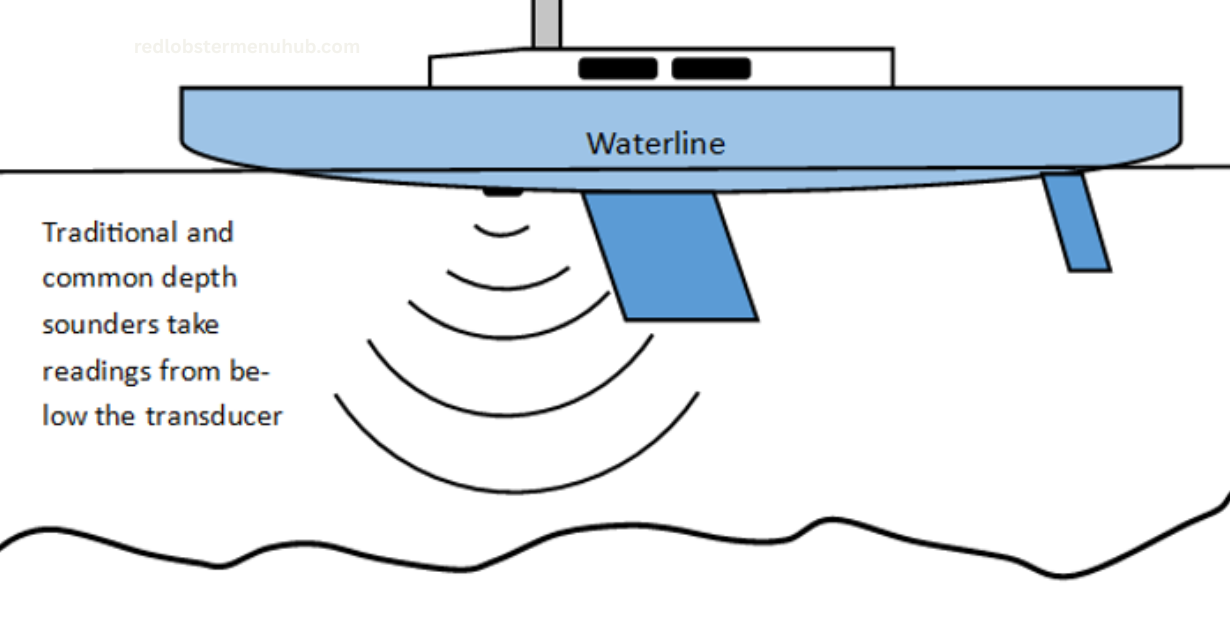
A boat depth sounder seems simple: it displays a number, and that number tells you how much water is below the boat.
But many boaters misunderstand what the reading actually represents. A depth sounder does not measure distance from the surface directly to the bottom in every situation. It measures the time required for a sound pulse to travel through the water, reflect off an object, and return to the transducer.
Transducer location, water conditions, bottom structure, boat speed, and your fish finder or chartplotter settings can also affect the displayed depth.
Understanding how a depth sounder works can help you interpret readings more accurately and avoid relying on a misleading number in shallow or unfamiliar water.
Knowing the right knots is an important part of handling lines safely on a boat, but your onboard equipment also needs regular care. If you use a winch for anchoring, docking, or handling lines, learn more about proper lubrication in our guide, Can You Over-Grease a Boat Winch? Causes, Risks & Prevention.
What Is a Boat Depth Sounder?
A boat depth sounder, also called a depth finder or fish finder, is an electronic system that uses sonar to estimate the distance between a transducer and the bottom or another underwater object.
The system includes:
● A display unit
● A transducer
● Electrical wiring
● Software that processes the returning signal
● Optional GPS and chartplotter integration
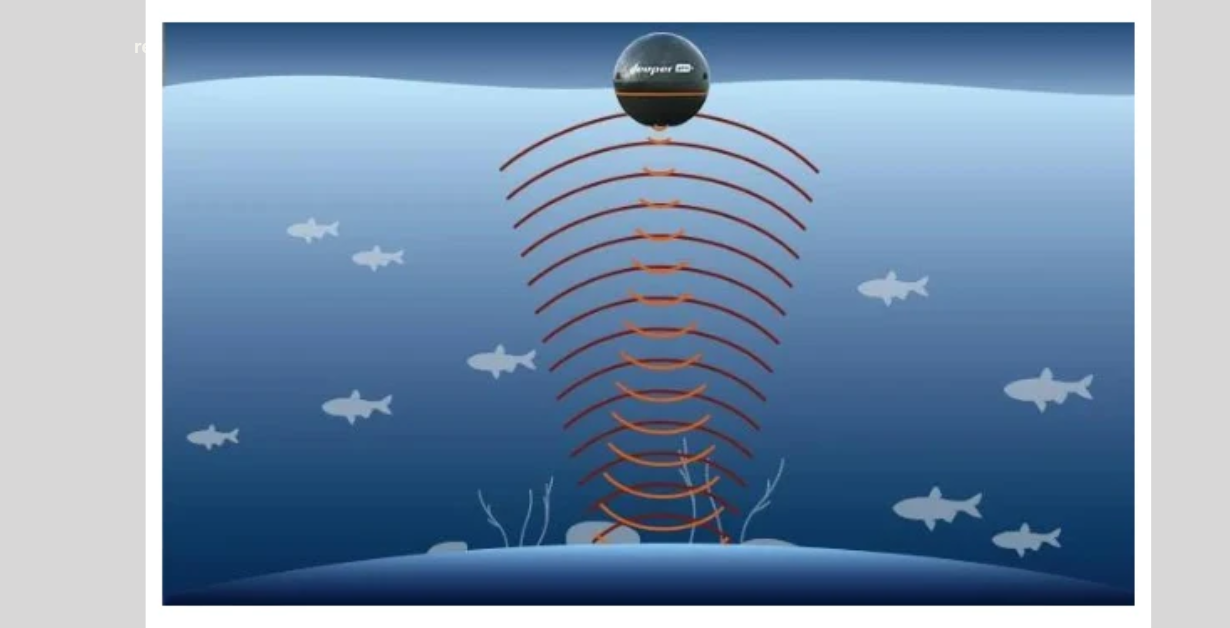
The transducer sends sound pulses into the water. When a pulse reaches the bottom, some of the sound energy reflects back toward the transducer. The system measures the time between transmission and return, then calculates the estimated distance.
In simple terms:
Depth is calculated from the travel time of sound through the water.
How Does a Boat Depth Sounder Work?
A depth sounder generally follows this process:
1. The transducer sends a short sound pulse downward.
2. The pulse travels through the water.
3. The sound reflects off the bottom, fish, vegetation, debris, or another object.
4. The returning echo reaches the transducer.
5. The unit measures the elapsed time.
6. The processor estimates the distance and displays a depth reading.
The system relies on the known or assumed speed of sound in water. That speed is not perfectly constant. It can change depending on temperature, salinity, and pressure, but the depth sounder is designed to provide a practical estimate under normal conditions.
What Does a Depth Sounder Actually Measure?
This is where many boaters get confused.
A typical depth sounder measures the distance from the transducer to the detected bottom—not necessarily from the water’s surface to the bottom and not necessarily from the boat’s keel to the bottom.
That distinction matters.
If the transducer is mounted 2 feet below the waterline, and the unit displays 10 feet, the water depth from the surface may be approximately 12 feet, depending on the system’s settings.
If the transducer is mounted inside the hull, the measured distance may be referenced from a point inside the boat rather than from the bottom of the hull.
If the display is configured with a keel offset, it may instead show the estimated clearance below the keel.
The number on the screen is only meaningful when you know what reference point the system is using.
The Three Common Depth References
Most depth sounders can be configured to use one of several depth references.
Depth below the transducer
This is often the default setting. The unit measures from the transducer to the bottom.
For example:
● Transducer location: 2 feet below the waterline
● Displayed depth: 8 feet
● Approximate water depth: 10 feet
This setting can be useful, but it does not directly tell you the clearance below the keel.
Depth below the waterline
Some systems allow you to enter the distance between the transducer and the waterline. The unit then adds or subtracts that offset to display an estimate of total water depth below the surface.
This can make the displayed number easier to compare with nautical charts and tide information.
Depth below the keel
A keel offset can be configured so the display attempts to show the water clearance beneath the lowest part of the boat.
For example:
● Transducer is 2 feet below the waterline.
● The keel extends 3 feet below the waterline.
● The sounder is configured to account for the difference.
● The displayed depth may represent the estimated clearance below the keel.
This setting can be helpful in shallow water, but it must be entered correctly. A wrong offset can make the reading appear safer than it really is.
Why the Transducer Location Matters
The transducer is the part of the system that sends and receives the sonar signal. Its location determines the reference point for the depth reading and affects signal quality.
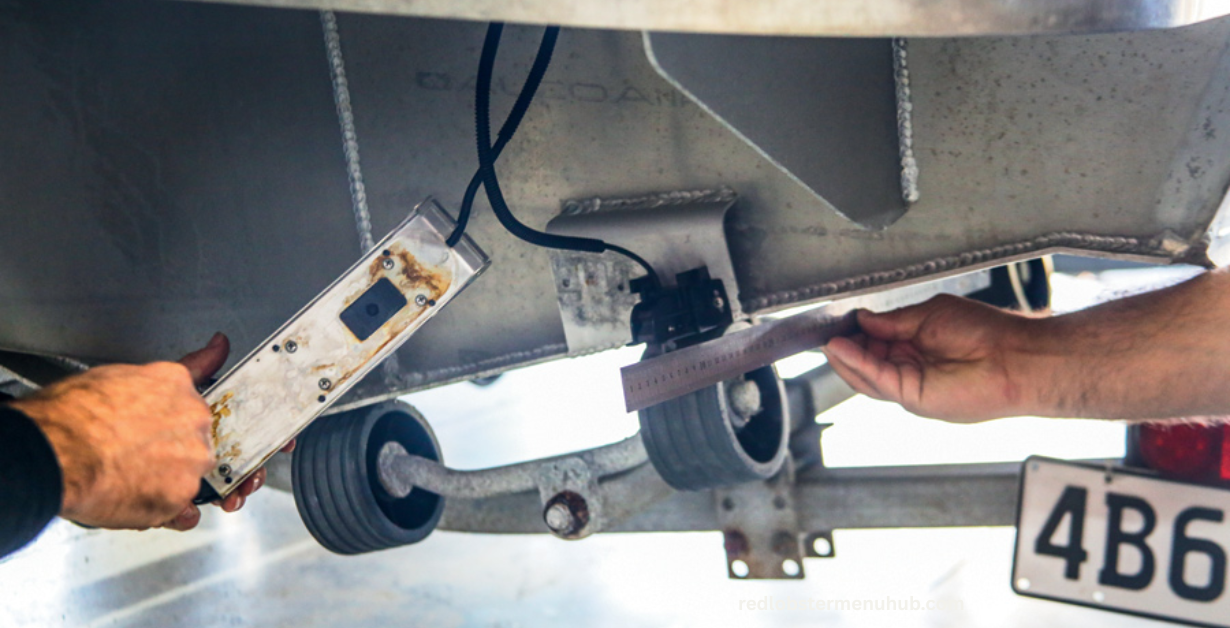
Common transducer installation types include:
● Transom-mounted
● Through-hull
● In-hull
● Trolling-motor-mounted
● Portable or temporary
Transom-mounted transducers
A transom-mounted transducer is attached to the rear of the hull. It is common on smaller powerboats and trailerable boats.
The transducer should generally be positioned so that it remains in clean, relatively undisturbed water when the boat is moving. If it sits in turbulent water or near bubbles, the sonar signal may become unreliable at speed.
Through-hull transducers
A through-hull transducer passes through the hull and is installed below the waterline. This arrangement can provide a strong and consistent signal when properly installed.
The installation must be appropriate for the hull material and design. A damaged, incorrectly sealed, or poorly positioned through-hull transducer can create serious problems.
In-hull transducers
An in-hull transducer shoots the sonar signal through the hull rather than directly through an opening in the hull.
This can work well with some solid fiberglass hulls. It may not work properly through cored construction, air gaps, thick reinforcement, metal, or certain hull materials unless the system is specifically designed for that installation.
Why the Depth Reading May Be Wrong
A depth sounder is not always wrong when the number changes unexpectedly. It may be responding to conditions that affect the sonar signal.
Aerated water
Air bubbles scatter and weaken sound energy. Bubbles can be created by:
● Hull turbulence
● Propeller wash
● Poor transducer placement
● High boat speed
● Heavy waves
● Water flowing over steps or strakes
If the transducer is surrounded by aerated water, the unit may lose the bottom or display an inconsistent reading.
Boat speed
Many depth sounders work best at low or moderate speeds. As speed increases, turbulence and bubbles can interfere with the signal.
A reliable reading at idle does not guarantee an accurate reading at planing speed.
Soft or uneven bottoms
A hard, flat bottom usually creates a strong, clear return. A soft mud or silt bottom may produce a weaker or thicker return.
An uneven bottom can also create multiple echoes or make it difficult for the unit to determine which return represents the actual bottom.
Steep slopes
When the boat crosses a steep underwater slope, the sound pulse may reflect away from the transducer instead of straight back to it. The sounder may temporarily lose the bottom or display a reading that appears to change suddenly.
Vegetation and debris
Dense weeds, submerged timber, rocks, wreckage, and other objects can create strong echoes. The system may identify an object above the actual bottom as the bottom return.
Thermoclines and water layers
Temperature changes between water layers can bend or scatter sonar energy. In some conditions, a depth sounder may display a false bottom or a secondary return.
Electrical interference
Electrical noise from other equipment can affect sonar performance. Possible sources include:
● Bilge pumps
● Engines
● Alternators
● Poorly routed wiring
● Other sonar units
● Radio equipment
● Inverters
A poor electrical connection or low battery voltage may also cause unreliable operation.
Safe line handling involves more than keeping your boat winch properly maintained. Learning a few reliable boating knots can also make common tasks such as securing lines, docking, and handling onboard equipment easier. See our guide to 7 Essential Boating Knots Every Boat Owner Should Know to learn the key knots.
What Is the Difference Between a Fish Finder and a Depth Sounder?
The terms are often used interchangeably, but they can describe different functions.
A basic depth sounder may provide a single depth number. A fish finder typically displays a scrolling sonar image that shows the bottom, fish arches, vegetation, structure, and other returns over time.
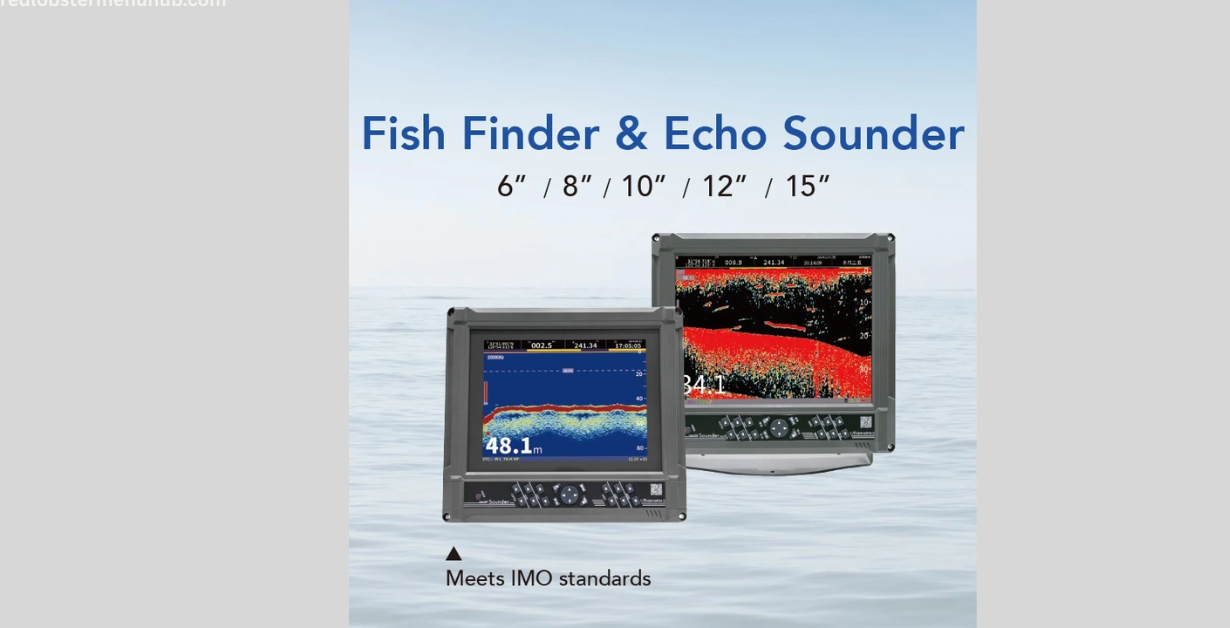
Modern marine electronics may combine several functions in one unit, including:
● Depth measurement
● Fish finding
● GPS navigation
● Chart plotting
● Side-imaging sonar
● Down-imaging sonar
● Radar
● Engine data
The underlying sonar principle is similar, but a fish finder usually provides more visual information than a simple digital depth display.
What Are Sonar Frequencies?
Depth sounders operate at one or more sonar frequencies. The frequency affects detail, depth capability, beam width, and performance in different water conditions.
Higher frequencies
Higher frequencies generally provide more detail and better separation of nearby objects. They are often useful in shallower water and for identifying fish or structure.
However, higher-frequency signals may not travel as effectively in very deep water.
Lower frequencies
Lower frequencies typically travel farther through the water and may perform better at greater depths. They may provide less fine detail than higher frequencies.
Dual-frequency systems
A dual-frequency sounder can use different frequencies for different purposes. One frequency may provide a broad overview, while another offers more detail.
The best frequency depends on:
● Water depth
● Target size
● Desired detail
● Bottom composition
● Boat speed
● Transducer design
What Is Cone Angle?
A transducer sends sound through the water in a cone-shaped beam. The cone angle describes how wide that beam is.
A narrow cone may provide better detail and a more focused view directly beneath the transducer. A wider cone covers more area but may include returns from objects or bottom areas that are not directly below the boat.
As depth increases, the area covered by the cone becomes wider. This means a depth sounder may detect a feature that is not exactly beneath the centerline of the boat.
Cone angle is especially important when interpreting fish, structure, and uneven bottom contours.
Why Does the Depth Change While the Boat Is Moving?
A changing depth reading does not necessarily mean the sounder is malfunctioning.
The number may change because:
● The bottom is changing
● The boat is crossing a slope
● The transducer is losing clean water flow
● The boat is pitching in waves
● The bottom return is weak
● The unit is locking onto a different echo
● The boat is moving over structure or vegetation
A stable reading at low speed followed by a loss of depth on plane often points to transducer turbulence or aeration rather than a problem with the display itself.
What Does “Bottom Lock” Mean?
Many modern sounders use software to identify and track the bottom return. This process is sometimes called bottom lock or bottom tracking.
The unit analyzes the returning echoes and selects the return it believes represents the bottom. It then displays a depth number or highlights the bottom on the sonar screen.
Bottom tracking can be very useful, but it is still an interpretation. The sounder does not understand the underwater environment the way a person does. A strong object, vegetation layer, or false echo may sometimes be identified as the bottom.
That is why boaters should pay attention to the quality of the sonar image and not rely blindly on a single number.
Before heading out on the water, it’s worth checking both your boat equipment and your emergency communication gear. If you’re considering a PLB or satellite messenger for situations where cellular service may not be available, see our guide to Personal Locator Beacon vs. Satellite Messenger: Which Is Better?
Why a Depth Sounder Is Not a Substitute for a Chart
A depth sounder tells you the depth beneath or near the boat at that moment. It does not provide a complete map of the surrounding area.
A chart may show:
● Channels
● Shoals
● Rocks
● Wrecks
● Ledges
● Buoys
● Restricted areas
● Tide-related depth information
● Hazards outside the sounder’s beam
A depth sounder may not detect a hazard ahead until the boat is already above it. The transducer’s beam points generally downward, not forward.
For safe navigation, use the depth sounder together with:
● Nautical charts
● GPS
● Visual observation
● Navigation markers
● Tide information
● Local knowledge
● Appropriate speed
Why the Sounder May Not Warn You About Shallow Water Ahead
A depth sounder typically measures the water below the transducer. It does not scan a long distance ahead of the boat like a forward-looking sonar system.
If the boat is traveling toward a shoal, the display may continue showing safe depth until the boat reaches the shallower water. At speed, that can happen quickly.
This is one of the most important limitations to understand:
A depth sounder tells you what is beneath the transducer, not necessarily what is ahead of the bow.
Use a shallow-water alarm, but do not treat it as a substitute for navigation and lookout practices.
How to Set a Shallow-Water Alarm
A shallow-water alarm can alert you when the displayed depth falls below a selected threshold.
When setting the alarm, consider:
● The boat’s draft
● Transducer location
● Keel offset
● Tide conditions
● Wave height
● Desired safety margin
● Local bottom conditions
If your system displays depth below the transducer, the alarm threshold must account for the distance between the transducer and the keel.
For example, an alarm set to 3 feet may be too low if the keel extends below the transducer or if waves can cause the hull to rise and fall over uneven bottom.
Do not set the alarm so close to the minimum safe depth that normal fluctuations trigger it constantly. An alarm that is ignored because it sounds too often is not useful.
What Is a Keel Offset?
A keel offset is a setting that adjusts the displayed depth to account for the difference between the transducer, waterline, and keel.
The exact setup varies by manufacturer. Some systems require a positive or negative value depending on the chosen reference point.
Before changing the setting:
1. Read the electronics manual.
2. Identify the transducer’s actual location.
3. Measure the distance to the waterline or keel.
4. Confirm whether the setting displays depth below the transducer, surface, or keel.
5. Test the result in known water.
6. Avoid assuming that a displayed depth equals keel clearance.
A wrong offset can introduce a consistent error into every reading.
How to Improve Depth Sounder Accuracy
You can improve performance by checking the installation and settings.
Keep the transducer clean.
Marine growth, paint buildup, slime, and debris can weaken the sonar signal. Clean the transducer according to the manufacturer’s instructions.
Check its position.
A transom-mounted transducer should be positioned in clean water flow. It should not be directly behind a strake, through-hull fitting, lifting step, or other feature that creates turbulence.
Inspect the wiring.
Look for:
● Corrosion
● Loose connections
● Damaged insulation
● Poor grounding
● Pinched cables
● Water intrusion
Reduce interference
Separate transducer cables from noisy electrical wiring where practical. Check whether other equipment causes the problem by switching devices off one at a time.
Use appropriate sensitivity
Very low sensitivity may hide weak bottom returns. Excessive sensitivity may fill the screen with clutter. Adjust settings based on water depth, bottom type, and the desired level of detail.
Slow down when verifying depth
If the reading is questionable, reduce speed and allow the transducer to operate in cleaner water. Compare the sounder reading with chart information and known landmarks.
Common Depth Sounder Mistakes
Assuming the number is measured from the surface
The displayed depth may be measured from the transducer. Confirm the reference setting before using the number for navigation.
Ignoring the boat’s draft
A display showing 4 feet of water does not necessarily mean 4 feet of clearance below the keel.
Trusting a single reading
A fluctuating or weak reading should be treated cautiously. Look for a consistent bottom return and compare the information with other navigation sources.
Running too fast to maintain a bottom lock
A sounder that works at idle may lose the bottom at speed due to turbulence or aeration.
Setting the shallow alarm too low
A shallow alarm should provide a meaningful margin, not merely warn you when the boat is already in danger.
Assuming the sounder sees ahead
Most standard depth sounders look downward. They do not reliably warn you about hazards several boat lengths ahead.
Treating the sounder as a chart
A sounder provides a measurement under the boat, not a complete picture of the navigable route.
Can a Depth Sounder Read Through the Hull?
Some depth sounders can operate through the hull using an in-hull transducer, but this depends on the hull construction and installation.
In-hull installations may work through certain solid fiberglass hulls. They may not work properly through:
● Cored hulls
● Aluminum
● Steel
● Air pockets
● Thick structural materials
● Areas with significant reinforcement
If the hull contains air gaps or materials that block or scatter the signal, performance may be poor or nonexistent.
Always confirm transducer compatibility before choosing an in-hull installation.
What Should You Do If the Depth Reading Is Unreliable?
If the depth sounder loses the bottom or displays an obviously inconsistent number:
1. Reduce boat speed.
2. Check whether the transducer is clean.
3. Look for bubbles or turbulence near the transducer.
4. Confirm the transducer has not shifted.
5. Check wiring and power connections.
6. Review the depth-reference and keel-offset settings.
7. Try another frequency if available.
8. Reduce electrical interference.
9. Compare the reading with charted depth and visual conditions.
10. Treat the area as uncertain until the reading becomes reliable.
If you are in shallow or hazardous water, slow down immediately and use all available navigation information.
Frequently Asked Questions
Does a depth sounder measure from the waterline?
Not necessarily. Many depth sounders measure from the transducer. The unit may be configurable to display depth below the surface or below the keel, but the setting must be entered correctly.
Does a depth sounder show the depth below the keel?
Only if the system is configured to account for the transducer and keel locations. Otherwise, it usually shows the distance from the transducer to the bottom.
Can a depth sounder detect a shallow area ahead?
A standard downward-looking sounder generally detects what is beneath the boat, not what is far ahead. It should not be used as a forward-looking collision or shoal-warning system.
Why does my depth sounder work at idle but not at speed?
The most common causes are turbulence, aerated water, poor transducer placement, or an installation that does not maintain clean water flow at higher speeds.
Can weeds fool a depth sounder?
Yes. Dense vegetation can create strong sonar returns and may make the unit display a vegetation layer or mistake it for the bottom.
Should I use a chart or a depth sounder?
Use both. A chart helps you understand the surrounding hazards and route, while the depth sounder provides a real-time measurement beneath or near the boat.
Final Thoughts
A boat depth sounder works by sending sound through the water and measuring how long it takes for the echo to return. But the displayed number is not automatically the depth below the keel, the depth ahead of the boat, or a guaranteed measurement of navigable water.
The most important things to understand are
● The sounder measures from the transducer.
● Transducer location affects the displayed depth.
● Keel offset settings can change the reference point.
● Turbulence, bubbles, vegetation, and bottom conditions can affect performance.
📅 Last updated: