
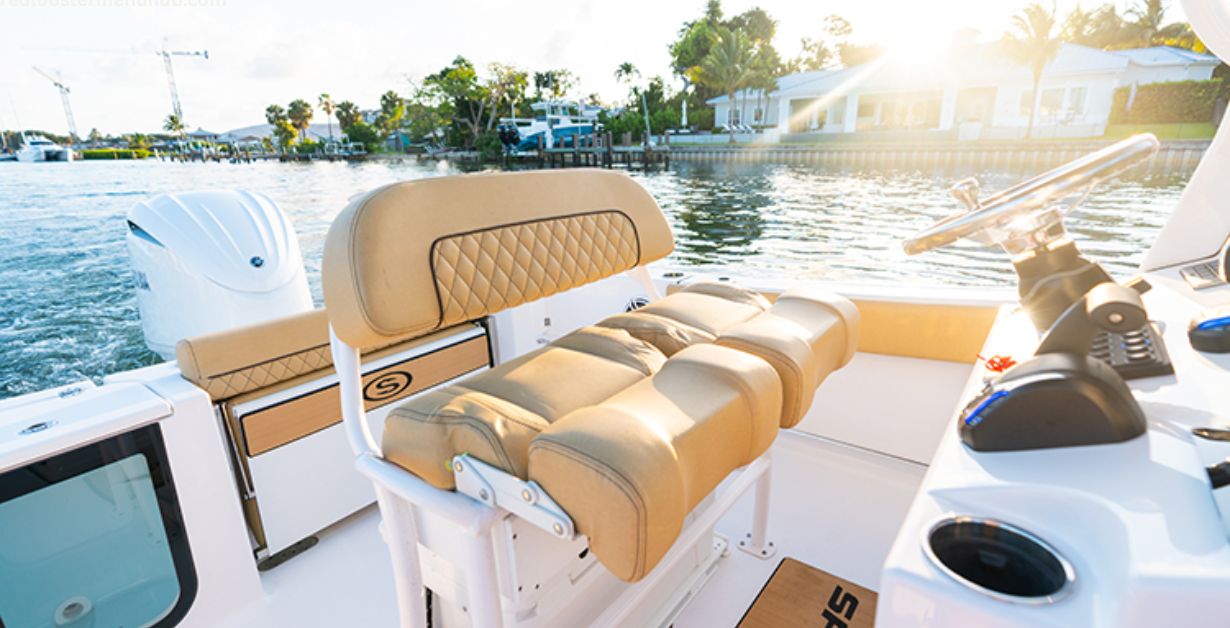
Boat seats are exposed to some of the harshest conditions in the marine environment. Saltwater, sunscreen, fish slime, dirt, mildew, rain, UV rays, and spilled drinks can quickly leave upholstery stained, discolored, or brittle.
Using the best boat seat cleaner can help remove dirt and stains without damaging vinyl, stitching, foam, or protective coatings. However, the right cleaner depends on the upholstery material, the type of stain, and how long the contamination has been present.
This guide explains how to choose a marine seat cleaner, how to clean boat upholstery safely, and how to prevent stains and mildew from returning.
Emergency communication devices are important, but keeping your phone and small electronics charged can also be useful during long trips on the water. For portable backup power options, check out our guide Best Waterproof Power Bank for Boating: What to Look For.
What Is the Best Boat Seat Cleaner?
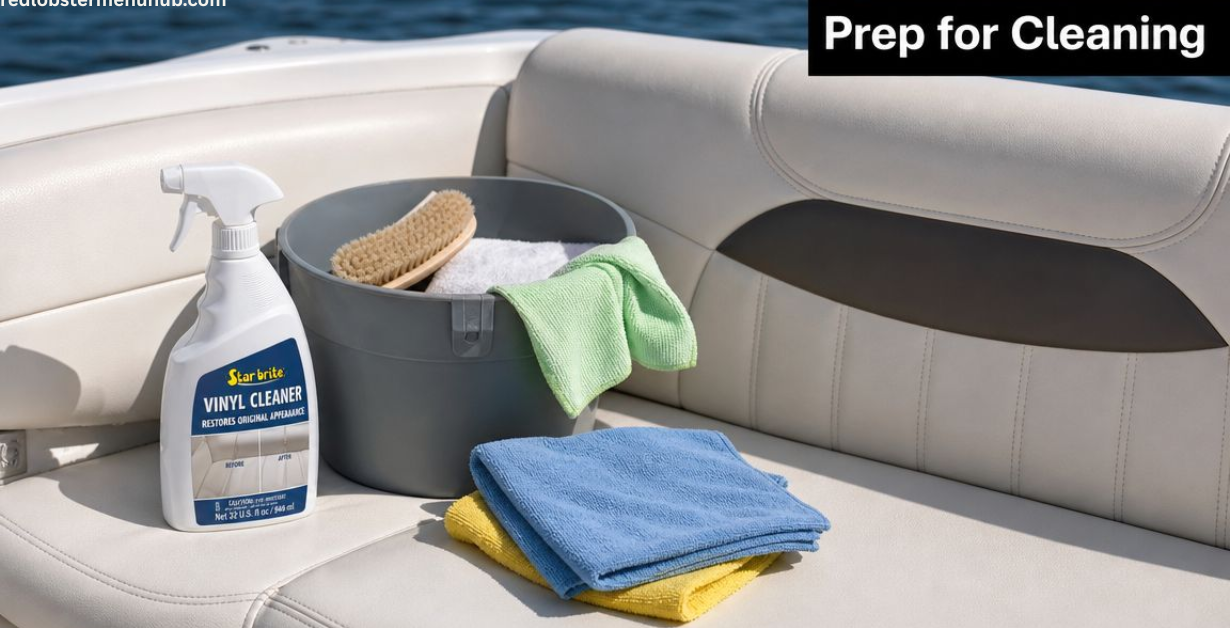
The best boat seat cleaner should:
• Be safe for marine vinyl or the specific upholstery material
• Remove dirt, sunscreen, grease, and organic residue
• Avoid drying or weakening the surface
• Rinse away without leaving a sticky film
• Be suitable for use around stitching and foam
• Help reduce mildew without damaging the upholstery
• Work with soft brushes and microfiber cloths
• Include clear usage instructions
A general-purpose cleaner may remove surface dirt, but it may not be appropriate for marine vinyl or delicate upholstery. Before applying any product, check the seat manufacturer’s recommendations and test the cleaner in a hidden area.
Why Boat Seats Need Specialized Cleaning
Marine upholstery is exposed to more than ordinary household furniture. Common contaminants include:
• Salt deposits
• Sunscreen and body oils
• Fish blood and slime
• Food and drink spills
• Fuel and grease
• Bird droppings
• Mud and sand
• Rainwater and condensation
• Mold and mildew
• UV-related surface deterioration
These substances can work into the texture of vinyl and around seams. If they remain on the surface, they may cause staining, odors, discoloration, or premature wear.
Regular cleaning is easier and safer than aggressive scrubbing after stains have become deeply embedded.
Identify the Upholstery Material First
Before choosing a cleaner, determine what your boat seats are made from.
Marine vinyl
Marine vinyl is common on fishing boats, runabouts, pontoons, and cruisers. It is designed to resist water and UV exposure, but it still requires proper care.
Vinyl can be damaged by:
• Harsh solvents
• Abrasive powders
• Strong degreasers
• Stiff brushes
• Household bleach
• Excessive heat
• Long-term exposure to sunscreen and oils
Use a cleaner specifically labeled as safe for marine vinyl whenever possible.
Fabric upholstery
Some boats use woven fabric, acrylic, polyester, or other marine textiles. Fabric seats may require a cleaner designed to avoid discoloration, water rings, or damage to the fabric’s protective treatment.
Never assume that a vinyl cleaner is safe for fabric.
Leather or synthetic leather
Leather and synthetic leather require different products and techniques. A cleaner intended for vinyl may remove natural oils or damage the finish.
Use a product specifically designed for the material and follow the manufacturer’s care instructions.
The Best Cleaner Depends on the Stain
Different stains require different cleaning approaches. Start with the mildest method likely to work.
General dirt and dust
For ordinary dirt:
1. Remove loose debris with a vacuum or soft brush.
2. Rinse the seat with fresh water.
3. Apply a mild marine upholstery cleaner.
4. Work in small sections using a soft brush or microfiber cloth.
5. Rinse thoroughly.
6. Dry the seat completely.
Avoid allowing dirty water to run into seams, drains, or storage compartments.
Sunscreen and body oils
Sunscreen, lotions, and skin oils can create a greasy film on vinyl.
Use:
• Warm water
• A mild, vinyl-safe soap or cleaner
• A soft cloth or soft-bristle brush
Rinse thoroughly. Residue left on the seat can attract more dirt and may make the surface slippery.
Fish blood and slime
Fish residue should be cleaned as soon as possible.
1. Remove solid material carefully.
2. Rinse with fresh water.
3. Apply a marine-safe upholstery cleaner.
4. Gently agitate the affected area.
5. Rinse several times.
6. Dry the seat and inspect the stitching.
Avoid aggressive scrubbing, which can spread the stain or push residue into the texture.
Grease and oil
Grease can be difficult to remove without damaging vinyl. Use a cleaner specifically designed for marine upholstery and grease removal.
Do not immediately reach for strong solvents, gasoline, acetone, or automotive degreasers. These products may strip protective coatings, discolor vinyl, or weaken the surface.
Blot fresh grease rather than rubbing it deeper into the upholstery.
Bird droppings
Bird droppings can contain acidic compounds and should be removed promptly.
1. Wet the area with fresh water.
2. Allow the residue to soften.
3. Wipe it away with a microfiber cloth.
4. Use a mild upholstery cleaner if necessary.
5. Rinse and dry the surface.
Avoid scraping dried droppings aggressively, as this can scratch or mark the vinyl.
Mold and mildew
Mold and mildew can appear when seats remain damp or are stored in poorly ventilated conditions.
For small areas:
1. Brush away loose surface growth outdoors.
2. Apply a mildew cleaner approved for the upholstery.
3. Allow it to work for the recommended time.
4. Gently scrub with a soft brush.
5. Rinse thoroughly.
6. Dry the seat completely in a well-ventilated area.
Mildew may return if moisture remains inside the foam or beneath the upholstery. Extensive growth, persistent odors, or waterlogged cushions may require professional cleaning or upholstery repair.
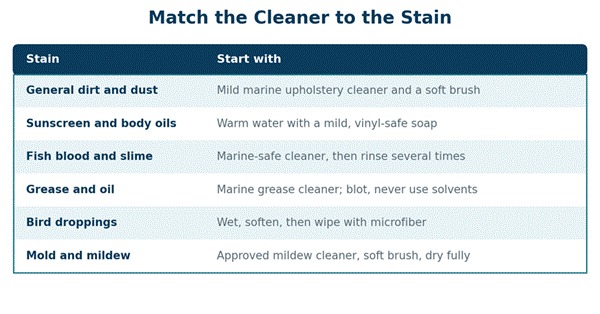
Figure 1: Which cleaning approach to start with for each type of boat seat stain.
What Ingredients Should You Avoid?
Some household products can harm marine upholstery. Avoid using the following unless the upholstery manufacturer specifically approves them:
• Chlorine bleach
• Ammonia
• Acetone
• Gasoline
• Paint thinner
• Strong solvents
• Abrasive powders
• Rough scouring pads
• Undiluted household disinfectants
• Heavy-duty engine degreasers
These products can cause:
• Color fading
• Cracking
• Sticky residue
• Loss of surface coating
• Brittle vinyl
• Damaged stitching
• Weakened seams
• Discoloration
A product that removes a stain quickly may still shorten the life of the upholstery.
How to Clean Boat Seats Properly
Use this process for routine marine vinyl cleaning.
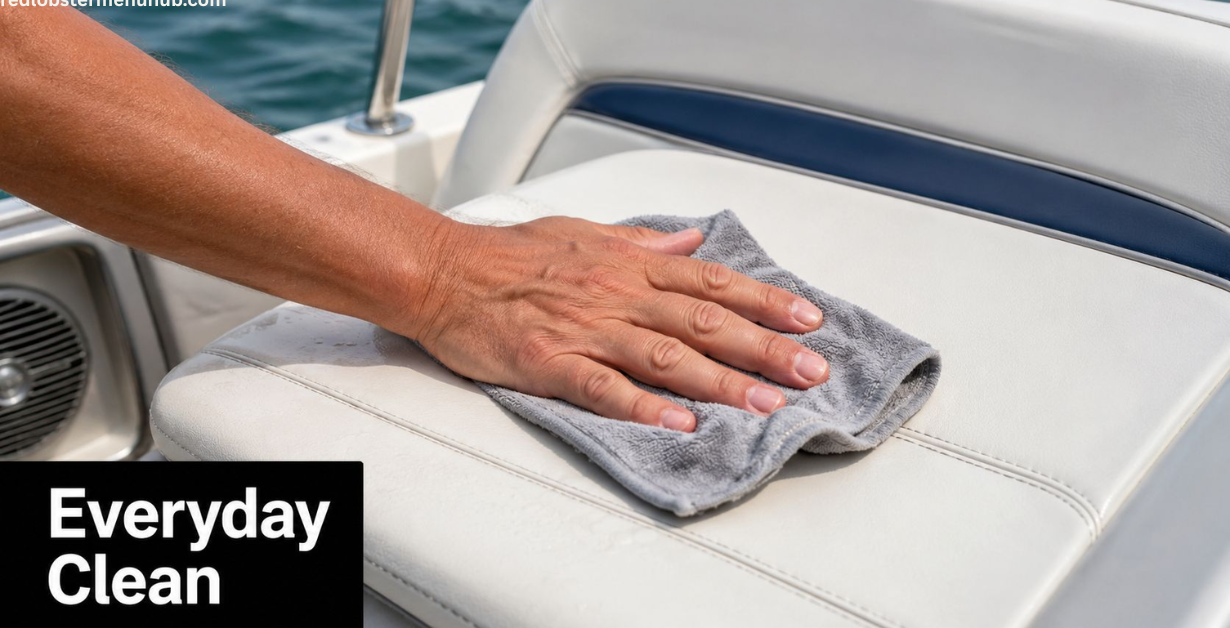
1. Remove loose debris
Use a vacuum, soft brush, or clean microfiber cloth to remove sand, dirt, leaves, and other loose material.
Sand is abrasive, so avoid grinding it into the seat while wiping.
2. Rinse with fresh water
Freshwater rinsing removes salt and loose contaminants. Use a gentle flow rather than a high-pressure stream directed at seams.
3. Apply the cleaner
Follow the product’s dilution and application instructions. Do not apply more cleaner than necessary.
Work on a small area so the product does not dry on the surface.
4. Agitate gently
Use a soft upholstery brush or microfiber cloth. Pay attention to textured areas, piping, seams, and corners where dirt accumulates.
Avoid stiff brushes that can roughen the vinyl’s finish.
5. Rinse thoroughly
Leftover cleaner can attract dirt or create a slippery film. Rinse until the water runs clear and no residue remains.
6. Dry completely
Use a clean towel to remove excess water, then allow the seat to air-dry. Open hatches or use fans to improve circulation.
Do not cover damp seats. Trapped moisture can encourage mildew.
7. Apply a protectant if appropriate
Once the surface is clean and dry, apply a marine vinyl protectant if recommended. Use a product that offers UV protection without creating an excessively slippery surface.
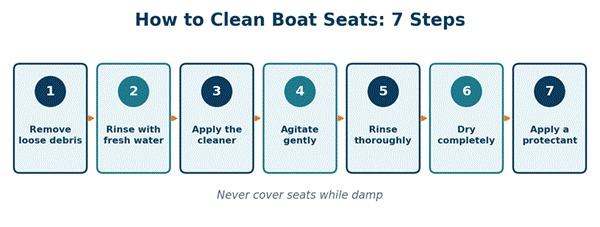
Figure 2: The seven steps for routine boat seat cleaning.
Why Freshwater Rinsing Matters
Salt crystals can remain on vinyl after exposure to seawater. As the water evaporates, salt leaves behind a residue that can:
• Attract moisture
• Dry the surface
• Abrade the finish
• Corrode nearby hardware
• Contribute to staining
Rinse boat seats with fresh water after saltwater trips. Pay attention to seams, piping, hinges, and areas beneath cushions.
A freshwater rinse is one of the simplest ways to reduce long-term upholstery damage.
Many boat owners rely on shore power and onboard electrical equipment, making safe power connections an important part of boating. Learn what to consider when choosing a durable cord in our guide Best Marine Extension Cord: How to Choose the Right One for Your Boat.
Should You Use a Pressure Washer on Boat Seats?
High-pressure water can damage upholstery and force water into places where it does not belong.
Avoid directing a pressure washer at:
• Seat seams
• Stitching
• Piping
• Zippers
• Ventilation openings
• Cushion edges
• Under-seat compartments
High pressure may drive water into the foam, loosen stitching, or damage the vinyl’s surface. Use a garden hose or gentle rinse instead.
Can You Use Magic Eraser on Boat Vinyl?
Melamine foam products, often sold as “magic erasers,” work like very fine abrasives. They may remove marks, but they can also dull, scuff, or remove the protective finish from marine vinyl.
If you use one at all:
• Test it in an inconspicuous location.
• Apply minimal pressure.
• Do not use it on large areas.
• Stop if the finish changes.
• Do not rely on it for routine cleaning.
A marine-safe cleaner and soft cloth are usually safer choices.
How to Clean White Boat Seats
White vinyl shows stains quickly, but aggressive cleaning can cause permanent damage.
For routine cleaning:
1. Remove loose debris.
2. Rinse with fresh water.
3. Apply a vinyl-safe cleaner.
4. Use a soft brush on textured areas.
5. Rinse thoroughly.
6. Dry completely.
7. Apply a suitable UV protectant.
For stubborn discoloration, use a cleaner formulated for marine vinyl. Avoid household bleach unless the upholstery manufacturer specifically permits it, because bleach can weaken stitching and damage the vinyl over time.
How to Remove Mildew Without Damaging Vinyl
Mildew removal requires both cleaning and moisture control.
Use a mildew product that is labeled safe for marine vinyl. Follow the dwell time on the label and rinse thoroughly afterward.
Do not mix cleaning products. Combining bleach, ammonia, acids, or other chemicals can produce dangerous fumes or damaging reactions.
If mildew keeps returning, inspect for:
• Waterlogged foam
• Leaking covers
• Poor ventilation
• Wet storage areas
• Condensation
• Damaged seams
• Water trapped beneath cushions
Cleaning the visible surface without correcting the moisture source usually provides only temporary results.
Boat Seat Cleaner vs. Protectant
A cleaner removes dirt and stains. A protectant helps reduce future damage.
A marine vinyl protectant may help:
• Reduce UV exposure
• Limit drying and cracking
• Repel some water and contaminants
• Preserve flexibility
• Improve the appearance of vinyl
Apply protectant only after cleaning and drying the seat. Avoid products that leave a highly slippery surface, especially on helm seats, steps, swim platforms, or areas where passengers need secure footing.
Do not apply protectant to fabric unless the product is approved for that material.
Staying connected on the water can involve more than emergency beacons alone. If you want better internet access while boating, see our guide Best Boat Wi-Fi Extender: How to Improve Internet on the Water for practical tips on extending wireless coverage.
How Often Should You Clean Boat Seats?
Cleaning frequency depends on use and exposure.
After every saltwater trip
Rinse seats with fresh water and remove visible dirt, sunscreen, and fish residue.
Every few weeks during regular use
Perform a more thorough cleaning, especially in hot or humid conditions.
Before storage
Clean and dry all upholstery before covering or storing the boat. Storing dirty seats can trap stains and odors for months.
During long-term storage
Inspect the boat periodically for moisture, mildew, condensation, and leaks. Ventilation and dry storage are essential.
Frequent gentle cleaning is better than occasional aggressive scrubbing.
How to Protect Boat Seats After Cleaning
Cleaning is only part of upholstery care. To extend seat life:
• Use a fitted boat cover.
• Keep seats dry when possible.
• Remove wet towels and clothing.
• Avoid leaving sunscreen residue on the upholstery.
• Use seat covers designed for marine conditions.
• Improve ventilation during storage.
• Do not store damp cushions in sealed compartments.
• Keep pets’ claws away from vinyl.
• Avoid placing sharp tools or fishing gear on seats.
• Repair damaged seams promptly.
• Use UV protectant according to the manufacturer’s instructions.
A cover should allow moisture to escape. A waterproof cover that traps condensation can create a mildew problem instead of preventing one.
Common Boat Seat Cleaning Mistakes
Scrubbing too aggressively
Hard brushes and excessive pressure can damage vinyl texture and stitching.
Leaving cleaner on the surface
Residue may attract dirt, create a slippery film, or discolor the upholstery.
Using bleach as a routine cleaner
Bleach may weaken stitching and degrade some vinyl finishes.
Cleaning without rinsing
Salt and cleaning chemicals should be removed with fresh water.
Covering seats while damp
Trapped moisture encourages mildew and odors.
Using household furniture products
Products designed for indoor leather, plastic, or fabric may not be suitable for marine upholstery.
Cleaning only the visible surface
Dirt and moisture can accumulate beneath cushions, around seams, and inside storage compartments.
Applying oily protectants to walking surfaces
A slippery seat, step, or deck area can create a safety hazard.
How to Test a Boat Seat Cleaner
Before using a new cleaner across the entire boat:
1. Choose a hidden area beneath a cushion or behind a seat.
2. Apply a small amount of product.
3. Follow the recommended dwell time.
4. Wipe and rinse the area.
5. Allow it to dry completely.
6. Check for fading, stickiness, discoloration, or changes in texture.
If the surface changes, do not use the product on the rest of the upholstery.
Best Boat Seat Cleaner by Use Case
Best for routine cleaning
Choose a mild marine vinyl cleaner that removes dirt, salt, sunscreen, and light residue without leaving a film.
Best for mildew
Use a product specifically formulated for mildew on marine upholstery. Follow the directions carefully and correct the underlying moisture problem.
Best for white vinyl
Choose a cleaner designed for marine vinyl that can remove surface discoloration without requiring harsh abrasives or bleach.
Best for fishing boats
A cleaner with grease, fish-residue, and organic-stain capability may be useful, but it should still be labeled safe for vinyl and stitching.
Best for long-term protection
Pair a suitable cleaner with a UV protectant and a breathable boat cover. Protection works best when applied to clean, dry upholstery.
Frequently Asked Questions
What is the best cleaner for boat seats?
The best cleaner is one formulated for the specific upholstery material, especially marine vinyl. It should remove common marine stains without damaging the surface, stitching, or protective coating.
Can I use dish soap on boat seats?
A small amount of mild dish soap diluted in water may be suitable for light cleaning on some vinyl surfaces, but rinse thoroughly and check the manufacturer’s recommendations first. Do not rely on strong detergents for routine care.
Can I use bleach on marine vinyl?
Bleach may damage vinyl, stitching, and protective finishes. Use it only if the upholstery manufacturer specifically approves it and follow the required dilution and rinsing instructions.
How do I remove mildew from boat seats?
Use a mildew cleaner labeled safe for marine vinyl, gently scrub the surface, rinse thoroughly, and dry completely. Also identify and correct the source of moisture.
How do I keep boat seats from turning yellow?
Rinse away salt, sunscreen, and contaminants regularly. Use a marine vinyl protectant with UV protection and store the boat under a breathable cover.
Can I use a pressure washer on boat upholstery?
It is generally safer to avoid high-pressure water on boat seats. Pressure can force water into seams and foam or damage stitching and vinyl.
Final Thoughts
The best boat seat cleaner is a marine-safe product that matches your upholstery and the type of stain you need to remove. For most vinyl seats, a mild cleaner, soft brush, thorough freshwater rinse, and complete drying provide a safe and effective routine.
Before buying or using a cleaner, consider:
• Upholstery material
• Type of stain
• Mildew risk
• Product ingredients
• Compatibility with stitching and foam
• Rinsing requirements
• UV-protection needs
Avoid harsh solvents, abrasive tools, and excessive pressure. Clean seats regularly, rinse them after saltwater exposure, keep them dry, and protect them from sunlight. With consistent care, marine upholstery can remain cleaner, more comfortable, and in better condition for many seasons.
📅 Last updated: