
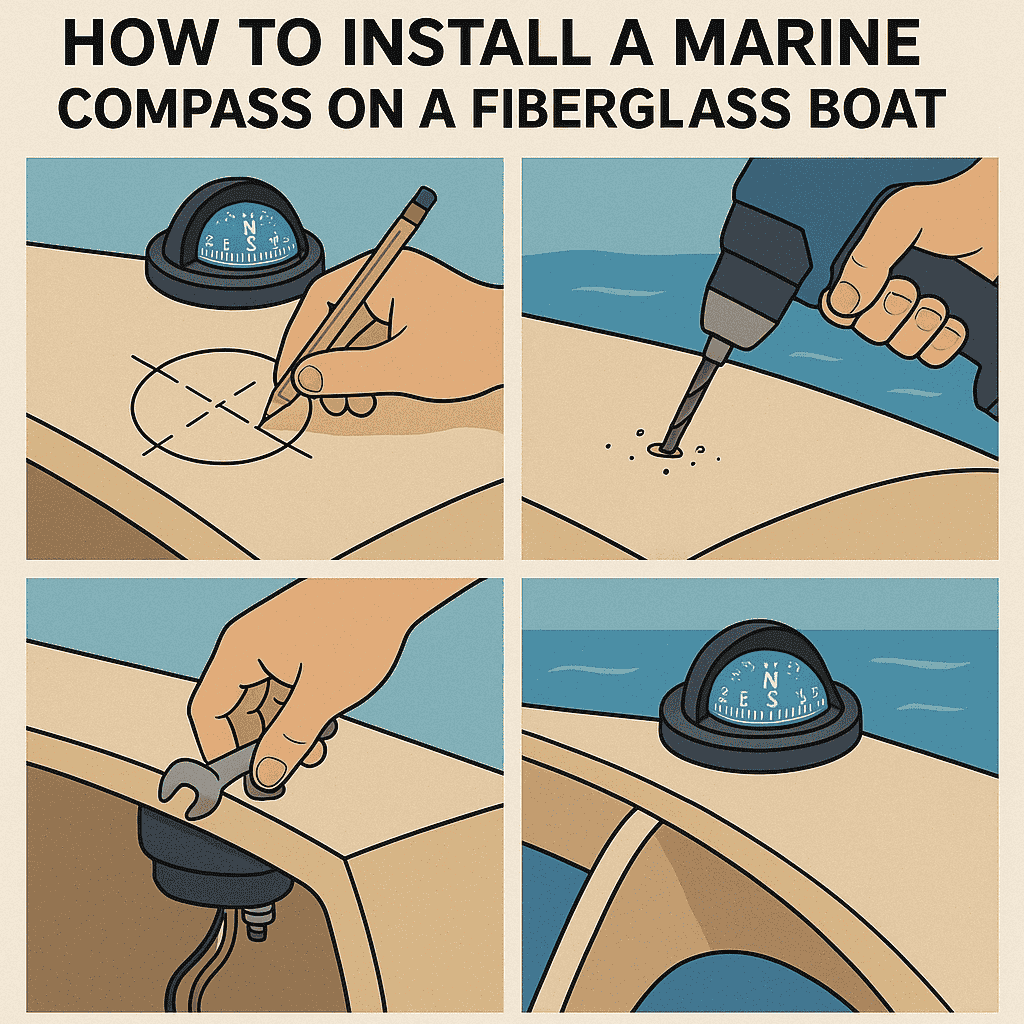
Navigating the open waters requires reliable equipment, and a quality marine compass remains one of the most essential tools for any boater despite modern technological advances.
Whether you’re operating a small fishing boat or an offshore sailboat, understanding how to select, install, and maintain the right compass is crucial for safe navigation. This comprehensive guide explores everything from traditional magnetic compasses to their integration with modern marine electronics like Garmin chartplotters and VHF radios, with special attention to mounting options on fiberglass hulls and considerations for different boat types.
Marine Compasses and Mounting

Ritchie Compass, Bulkhead, 4.5" Combi w/Inclin.,Black
Ritchie Compass, Bulkhead, 4.5" Combi w/Inclin.,Black
VIEW LATEST PRICE
Ritchie Navigation Flush Mount Compass, Black (F-50)
Ritchie Navigation Flush Mount Compass, Black (F-50)
VIEW LATEST PRICE
Ritchie Explorer Flush Mount Compass, White (F-50W)
Ritchie Explorer Flush Mount Compass, White (F-50W)
VIEW LATEST PRICEHow do I choose the right magnetic compass for my boat?

Selecting the appropriate compass for your vessel involves more than just picking any model from West Marine or a boating forum recommendation. The right marine compass must match your boat’s size, intended use, and compatibility with other navigation systems.
For serious boaters, especially those venturing offshore, a quality magnetic compass serves as the foundation of reliable navigation and provides essential redundancy when electronic systems fail.
The centerline of the boat typically determines the primary compass location, with the helm being the most common position as it allows the navigator to simultaneously view the compass readings and maintain control of the vessel. Before making a purchase, consider factors like visibility in varying light conditions, damping capabilities for rough waters, and compatibility with your boat’s existing dashboard or bulkhead configuration.
What are the differences between traditional magnetic compasses and electronic options?

Traditional magnetic compasses operate based on Earth’s magnetic field, requiring no power source—a critical advantage during electrical failures.
These compasses consist of a magnetized needle or card that aligns with magnetic north, enclosed in a fluid-filled housing that dampens movement in rough conditions. The lubber line serves as the reference point indicating the boat’s heading. In contrast, electronic compasses, often integrated into modern Garmin GPS systems and chartplotters, provide digital readings and can compensate automatically for deviation.
Many electronic options require 12V power connections and typically display heading information on digital screens alongside other navigation data. While electronic options offer convenience and integration with other marine electronics, they remain vulnerable to power failures, water damage, and electronic interference.
Many experienced boaters advocate for maintaining both systems, using the traditional magnetic compass as the primary navigation tool with electronic options providing supplementary information and features.
Should I invest in a Ritchie compass or other premium marine brands?
Ritchie Navigation has established itself as one of the most respected manufacturers in the marine compass industry, with a reputation for reliability and durability that spans decades.
The investment in a premium Ritchie compass often pays dividends through superior performance and longevity compared to budget alternatives. On boating forums like The Hull Truth and various fishing forums, seasoned boaters frequently recommend Ritchie compasses for their robust construction and accurate readings.
Premium compasses typically feature higher-quality magnets, more durable housings, and better fluid stability across temperature ranges. They also maintain calibration better over time, reducing the frequency of adjustment needed to compensate for deviation.
When selecting between brands, consider factors like warranty coverage, availability of replacement parts, and the specific model’s track record in marine environments similar to your boating conditions. While the initial cost may be higher, premium compasses from manufacturers like Ritchie typically offer better value over the lifespan of your boat, particularly for offshore applications where reliability is paramount.
What size compass is appropriate for different boat types?

Compass size selection should be proportional to your vessel—larger boats generally benefit from larger compasses with bigger cards for better readability at distance. For small fishing boats under 20 feet, a 3-4 inch compass typically suffices, while cabin cruisers and midsize vessels often require 4-5 inch models visible from the helm position. Offshore vessels and larger sailboats may warrant 5-6 inch compasses for optimal visibility in all conditions.
The compass card’s design also matters—powerboats benefit from flat card compasses optimized for speed and directional changes, while sailboats often require gimbaled designs that remain readable when the vessel heels.
When determining the appropriate size, consider visibility from your primary steering position, accounting for distance and typical lighting conditions. Some boaters install a primary compass at the helm with a secondary, smaller compass at an alternate control station or as a backup.
Ritchie Navigation and other premium manufacturers offer specific models designed for different boat types, with specialized options for powerboats, fishing boats, and sailboats that account for their unique operating characteristics and mounting requirements.
What are the best compass mounting options for different boat configurations?
The mounting configuration of your marine compass significantly impacts its performance and usability. Proper positioning ensures the compass remains visible while minimizing magnetic deviation from nearby metal objects or electronic equipment. The centerline of the boat typically provides the optimal location for primary compass installation, though specific mounting methods vary by vessel design.
Common mounting options include bulkhead mounts, dash mounts, bracket mounts, flush mounts, and surface mounts—each with distinct advantages and installation requirements. When planning your compass installation, consider not just the current configuration but future electronics additions that might affect the magnetic environment.
Many boaters consult The Hull Truth or other boating forums to see how others with similar vessels have mounted their compasses successfully. Professional installation may be worthwhile for complex configurations, especially when drilling into fiberglass structures or working around valuable marine electronics.
How do I properly install a bulkhead mount compass?
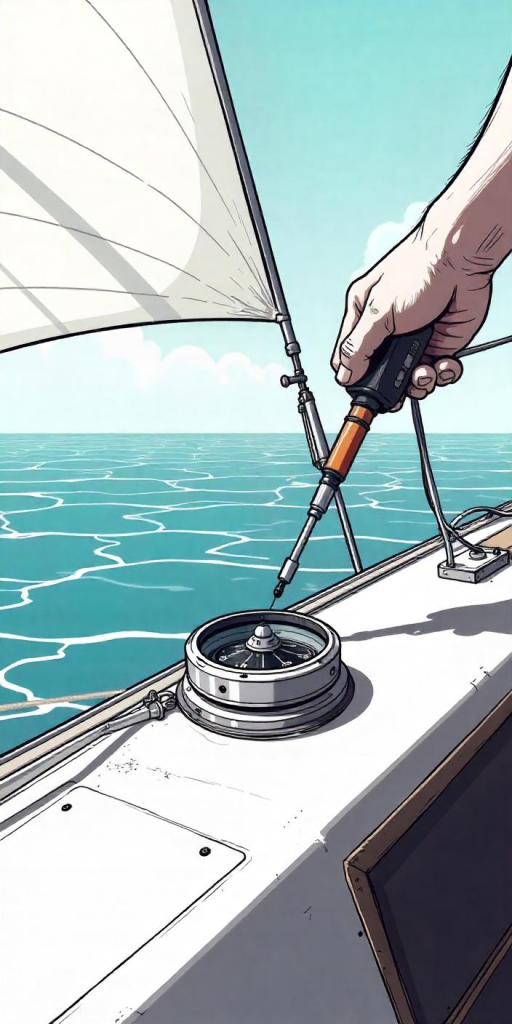
Bulkhead mount compasses attach vertically to a wall or navigation station and provide excellent visibility from the helm while conserving dashboard space.
Proper installation begins with selecting an appropriate location along the centerline of the boat where the compass will be easily visible to the helmsman while being sufficiently distant from magnetic interference sources.
When installing on a fiberglass bulkhead, first verify there are no wires, tanks, or metal supports behind the mounting location that could create deviation. Use the template provided by manufacturers like Ritchie Navigation to mark and drill pilot holes. Always use non-magnetic screws (typically brass or high-quality stainless steel) included with premium compasses to prevent localized interference with the magnetic needle.
Ensure the bulkhead is strong enough to support the compass weight in rough conditions, and consider adding backing plates for additional support if necessary.
The installation should position the lubber line precisely parallel to the keel line or centerline of the boat for accurate readings. After mounting, perform an initial calibration to identify any deviation caused by the surrounding environment, and create a deviation card recording the corrections needed at different headings.
What are the advantages of dash mount vs flush mount installations?
Dash mount installations position the compass atop the dashboard, making it highly visible but potentially more exposed to impacts and direct sunlight. This mounting style allows for easier installation and adjustment, as it typically requires only drilling mounting holes rather than cutting large openings in your boat’s dashboard.
Dash mounts also keep the compass farther from the potential interference of metal components or wiring hidden within the dashboard. Many fishing boats favor this approach for its simplicity and visibility.
Conversely, flush mount installations integrate the compass directly into the dashboard, creating a cleaner, more professional appearance with better protection from physical damage. The compass sits recessed with only its dome and card visible above the dash surface.
This approach saves space and reduces the risk of snagging lines or gear on the compass housing. However, flush mounting requires cutting a precise hole in your dashboard, making it a more permanent and complex installation better suited for new builds or major refits.
On many modern vessels with limited helm space, flush mounting allows for better integration with electronic displays like Garmin chartplotters and VHF radio installations. The choice between these mounting styles depends on your boat’s design, available space, aesthetic preferences, and whether you prioritize ease of installation or streamlined appearance.
How should I approach surface mounting a compass on fiberglass boats?
Surface mounting a compass on fiberglass boats requires careful planning to ensure structural integrity while minimizing magnetic interference.
Begin by identifying the optimal location—ideally along the centerline of the boat where the compass will be easily visible from the helm while avoiding proximity to speakers, VHF radios, or other electronic equipment. When working with fiberglass, always use a backing plate to distribute the load and prevent stress cracking, especially in thinner sections.
Mark the mounting location using the template provided by manufacturers like Ritchie, then drill pilot holes using bits designed for fiberglass to prevent delamination or cracking.
Apply marine-grade sealant around mounting holes to prevent water intrusion that could damage the core material in sandwich-construction fiberglass. Use only the non-magnetic screws provided with your compass or appropriate marine-grade fasteners that won’t create localized magnetic fields. After installation, conduct a deviation check by comparing compass readings to known headings using a handheld GPS or shore references.
Many boaters on fishing forums and The Hull Truth recommend professional installation for high-end compasses on expensive vessels, as improper mounting can lead to both inaccurate navigation and costly fiberglass repairs.
How does compass positioning affect navigation accuracy and VHF performance?
The strategic positioning of your marine compass significantly impacts not only its navigational accuracy but also the performance of nearby electronics like VHF radios and chartplotters.
Improper placement can lead to mutual interference, with the compass experiencing deviation while simultaneously degrading the performance of sensitive electronic equipment.
The magnetic fields generated by speakers, electric motors, and even the ferrous metals in your boat’s structure can pull the compass needle off true magnetic north, creating consistent or variable deviation patterns that compromise navigation reliability. Similarly, the magnetic elements within a traditional compass can affect the reception and transmission quality of nearby VHF radios.
When planning your helm layout, think holistically about the electronic ecosystem aboard your vessel, considering how each component might influence others. Experienced boaters often refer to the “magnetic environment” of their helm station, recognizing that seemingly minor changes to equipment positioning can have meaningful impacts on navigation accuracy and communication reliability—especially critical during offshore passages or when navigating in limited visibility.
What distance should I maintain between my compass and electronic equipment?
Maintaining appropriate separation between your marine compass and electronic equipment is essential for reliable navigation.
Most manufacturers, including Ritchie Navigation, recommend keeping a minimum distance of 12-24 inches between your magnetic compass and any electronic devices or ferrous metal objects. VHF radios, speakers, chartplotters, and Garmin GPS units all generate magnetic fields that can cause compass deviation.
The distance requirement varies based on the strength of the potential interference source—speakers with large magnets and VHF radio transmitters typically require greater separation than low-power displays.
When designing your helm layout, prioritize compass placement along the boat’s centerline with clear visibility, then position electronic equipment to maintain the recommended separation. If space constraints make ideal spacing impossible, consider using a compass with adjustable compensators that can help neutralize nearby magnetic fields.
On smaller boats where tight spacing is unavoidable, regular deviation checks become even more critical. Handheld electronics like portable VHF radios and GPS units should be stored away from the compass when not in use.
Many boaters on fishing forums report that maintaining proper separation from electronics not only improves compass accuracy but also enhances VHF radio performance by reducing interference patterns that can degrade signal quality.
How do I minimize magnetic deviation on my boat compass?
Minimizing magnetic deviation requires a systematic approach to both compass installation and regular calibration. Start by conducting a deviation analysis by comparing compass readings to known headings determined by GPS, paper charts, or visual landmarks.
Record the differences at cardinal and intercardinal points (N, NE, E, SE, S, SW, W, NW) to create a deviation card for reference during navigation. Most quality marine compasses like those from Ritchie include built-in compensators—typically adjustable screws marked “N-S” and “E-W”—that allow for correction of consistent deviation patterns caused by the boat’s inherent magnetic characteristics..
When using these compensators, make small, incremental adjustments following the manufacturer’s instructions, checking results between each change. Maintaining distance between your compass and ferrous metals or electronic equipment significantly reduces deviation sources.
Consider using non-magnetic materials (brass, high-grade stainless steel, aluminum) for nearby fittings and fastenings. For fiberglass boats, be aware that internal steel reinforcements, engine components, and even anchors stored forward can create significant magnetic fields. Periodically check for newly introduced sources of deviation after adding equipment or making modifications to your boat.
Many experienced navigators on boating forums suggest annual deviation checks as part of routine maintenance, with additional verification after significant equipment changes or when planning offshore passages where reliable compass readings become critical safety equipment.
Will my compass interfere with GPS signals or chartplotters?
While your magnetic compass won’t directly interfere with GPS signal reception, the relationship between traditional navigation tools and modern electronics requires thoughtful integration.
GPS systems like Garmin units receive microwave signals from satellites rather than relying on magnetic fields, making them immune to the relatively weak magnetism of a marine compass. However, the mounting arrangement of your compass might physically block GPS antennas or multifunctional displays if poorly positioned.
When designing your helm layout, ensure your compass installation doesn’t obstruct crucial electronic displays or antenna pathways. Some boaters on fishing forums report that the metal components in certain compass models can occasionally create minor electromagnetic interference with sensitive electronics if mounted extremely close to displays or processors.
The greater concern typically involves electronic interference flowing in the opposite direction—with chartplotters, VHF radios, and other 12V equipment potentially creating magnetic fields that affect compass accuracy. Modern integrated navigation systems often combine electronic fluxgate compass data with GPS information to provide enhanced heading accuracy in chartplotters.
This integration allows systems to compensate for the limitations of each individual technology, providing redundancy that seasoned boaters value, particularly when navigating offshore or in challenging conditions. The ideal approach embraces both technologies, using GPS and electronic navigation as primary tools while maintaining the magnetic compass as an essential backup that functions independently of electrical systems.
What maintenance does a marine compass require on my boat?
Proper maintenance of your marine compass ensures reliable navigation throughout your vessel’s life. Unlike complex electronics that may require software updates or professional servicing, quality compasses from manufacturers like Ritchie Navigation typically need only basic but regular attention.
The compass housing should be cleaned gently with fresh water and mild soap, avoiding harsh chemicals or abrasives that might damage the dome or create visibility issues. Regularly inspect the mounting hardware, ensuring all non-magnetic screws remain tight and that the compass housing hasn’t shifted from its original alignment with the centerline of the boat.
UV exposure can eventually degrade the compass dome, causing cloudiness or cracking that affects readability—consider a cover when the boat is not in use for extended periods. Routine maintenance also includes checking the fluid level and watching for bubbles that might indicate seal problems or thermal expansion issues.
Most importantly, periodic deviation checks should be performed to verify the compass maintains accurate readings compared to known headings. While modern marine compasses are designed for remarkable durability in harsh environments, their critical navigation function warrants regular attention, especially before offshore passages or extended trips away from familiar waters.
How often should I check for compass deviation?
Compass deviation should be checked at least annually as part of your regular boat maintenance schedule, with additional verification after any significant changes to your vessel’s configuration.
Many experienced boaters on fishing forums and The Hull Truth recommend seasonal checks—particularly before offshore trips or when navigating unfamiliar waters where reliable magnetic navigation becomes crucial.
The deviation check process involves comparing your compass readings to known headings determined by reliable references such as aligned range markers, GPS tracks on known courses, or celestial observations.
For thorough verification, check and record deviation on at least eight points of the compass (N, NE, E, SE, S, SW, W, NW) to create a comprehensive deviation card for navigation reference. After installing new electronic equipment near the helm, particularly items with significant power requirements like VHF radios or chartplotters, immediate deviation checks help identify any new interference sources.
Similarly, structural modifications, engine replacements, or even storing tools or other metal objects near the compass can alter the magnetic environment around your navigation station.
Sailboat owners should be particularly vigilant about compass deviation, as changes to rigging, addition of stainless hardware, or modifications to the keel can significantly impact the magnetic profile of the vessel.
Establishing a regular schedule for deviation checks creates a safety routine that experienced mariners consider essential for responsible navigation—particularly important when your journeys take you beyond sight of land or familiar landmarks.
What’s the best way to clean and maintain a Ritchie compass?
Maintaining a premium Ritchie compass requires gentle but regular attention to ensure its longevity and performance. Begin cleaning by rinsing with fresh water to remove salt deposits, then use a soft microfiber cloth with mild soap solution to clean the dome and housing.
Avoid ammonia-based cleaners, alcohol, or petroleum products that can damage the plastic components or compromise the seals. The compass dome deserves particular care—never use paper towels or abrasive materials that might scratch the surface and reduce visibility.
After cleaning, apply a thin layer of marine-grade plastic protectant to shield the dome from UV damage, which can cause cloudiness over time. Regularly inspect the mounting hardware, ensuring all non-magnetic screws remain properly tightened and that the compass hasn’t shifted from alignment with your boat’s centerline. Check that the fluid remains clear and completely fills the
📅 Last updated: