
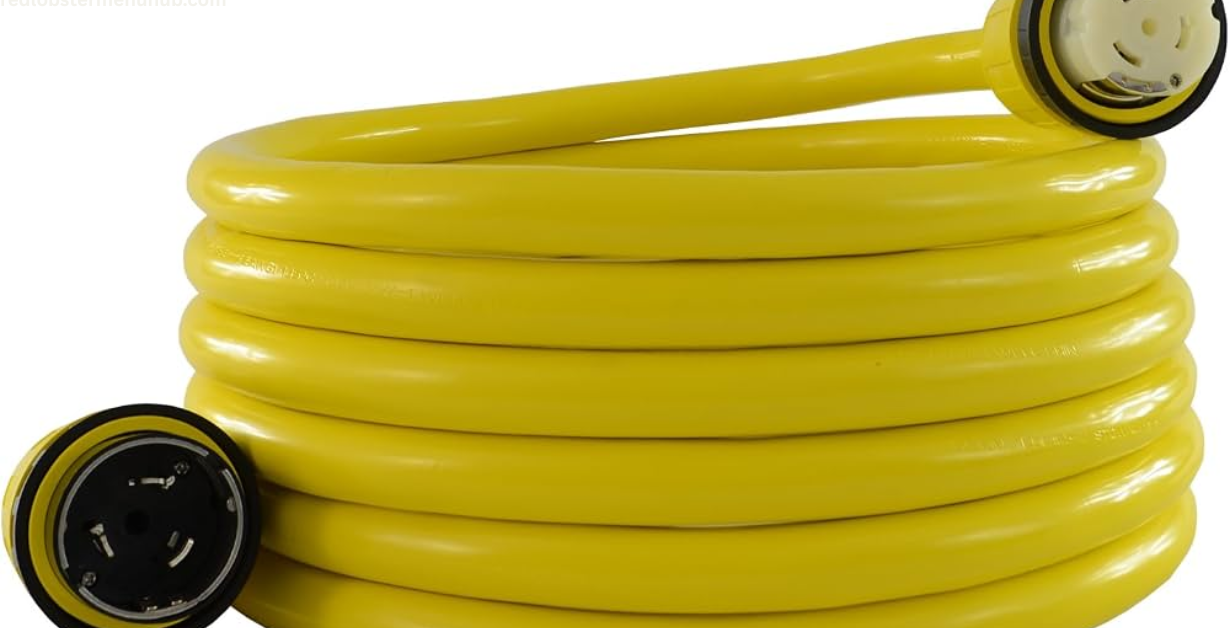
A reliable extension cord can be useful on a boat, whether you are connecting shore power at the dock, running maintenance equipment, or powering accessories during a weekend on the water. However, a standard household extension cord is not always suitable for a marine environment.
Boats are exposed to moisture, salt, vibration, tight spaces, and changing weather conditions. The wrong cord can overheat, corrode, trip breakers, or create a serious electrical hazard.
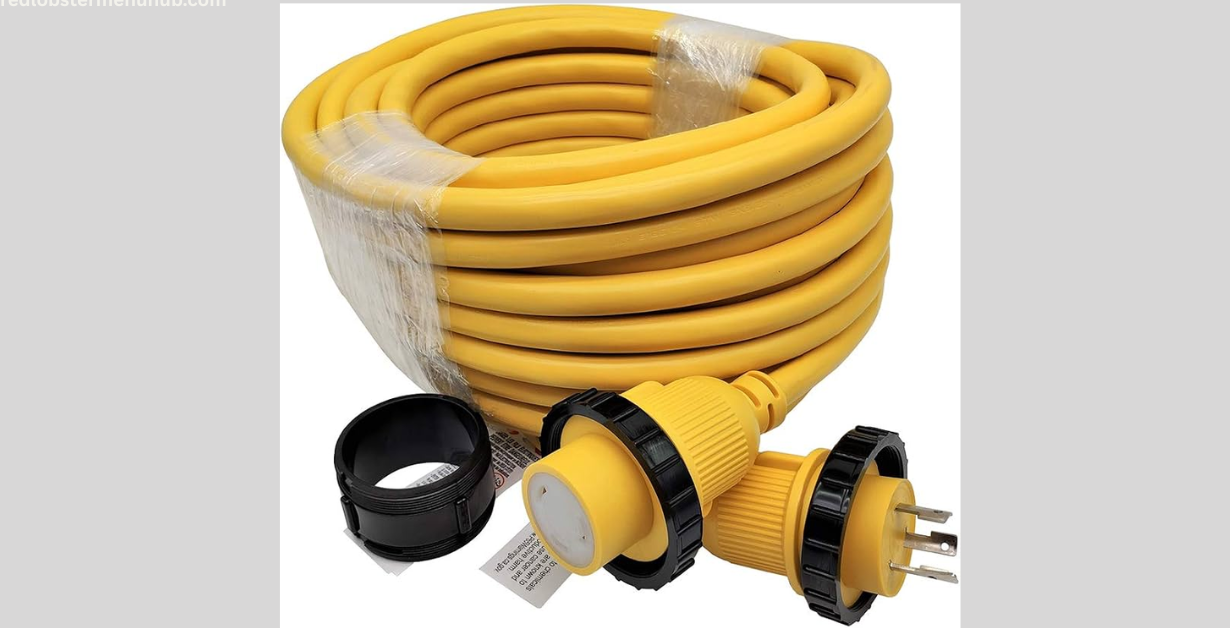
The best marine extension cord should be designed for the voltage, amperage, connector type, and conditions in which you plan to use it. It should also be properly rated, durable, flexible, and compatible with your boat’s shore-power system.
This guide explains what to look for before buying a marine extension cord and how to use one safely.
Having reliable equipment on board is just as important as having a strong internet connection. If you’re also preparing for battery-related emergencies, take a look at our guide, Best Boat Jump Starter: How to Choose the Right One.
What Is a Marine Extension Cord?
A marine extension cord is a heavy-duty electrical cable designed for use around boats, docks, marinas, and other wet environments. It typically includes features that make it more suitable for marine applications than a basic indoor or outdoor household cord.
Depending on the design, a marine extension cord may have:
● Water-resistant insulation
● Corrosion-resistant contacts
● Molded plugs and connectors
● Locking or twist-lock connections
● Flexible cold-weather construction
● Strain relief
● High-visibility coloring
● Heavy-gauge conductors
● Marine-rated certification
Marine extension cords are used for different purposes, so it is important to distinguish between a general-purpose cord and a shore power cord.
Marine Extension Cord vs. Shore Power Cord
The terms are sometimes used interchangeably, but they can refer to different products.
General-purpose marine extension cord
A general-purpose marine extension cord may be used for:
● Dockside tools
● Battery chargers
● Portable heaters approved for marine use
● Cleaning equipment
● Temporary maintenance equipment
● Small appliances
The cord may have a standard plug on one or both ends, depending on the application.
Marine shore power cord
A shore power cord connects a boat’s shore-power inlet to a dockside power pedestal. It is designed specifically for marine electrical systems and usually uses locking marine connectors.
Common shore-power configurations include:
● 30-amp, 125-volt systems
● 50-amp, 125/250-volt systems
● Other configurations used on specific vessels or in different regions
A shore power cord is not simply a long household extension cord. It must match the boat’s inlet, the dock pedestal, the voltage, the amperage, and the electrical protection system.
If you need to connect your boat to marina power, choose a properly rated shore power cord rather than adapting a standard extension cord.
What Makes the Best Marine Extension Cord?
The best marine extension cord should provide the correct combination of:
● Voltage rating
● Ampacity
● Wire gauge
● Connector compatibility
● Water resistance
● Flexibility
● Durability
● Length
● Safety certification
● Visibility
The correct choice depends on the equipment you are powering and the electrical system available at the dock.
A cord that is suitable for a small battery charger may be unsuitable for a high-wattage heater, air conditioner, or cooking appliance.
Check the Voltage and Amperage First
Before buying a marine extension cord, identify the electrical requirements of the equipment you plan to operate.
Check:
● Voltage
● Amperage
● Wattage
● Plug type
● Required circuit protection
● Whether the equipment has a motor or compressor
● Whether it creates a high startup load
The cord must be rated for at least the voltage and current required by the connected equipment. If several devices will operate from the same cord, add their expected loads together.
A cord that is too lightly rated can overheat, especially when used over a long distance or in warm conditions.
A dependable power supply is essential when you’re using Wi-Fi and other electronics on your boat. To learn how to keep your marine battery properly charged and ready for use, check out Best Boat Battery Charger: How to Choose the Right One for Your Boat.
Understanding Wire Gauge
Wire gauge describes the thickness of the conductors inside the cord. In the American Wire Gauge system, a lower gauge number means a thicker conductor.
Thicker conductors can carry more current and reduce voltage drop over long distances.
Common extension-cord gauges include:
● 16 gauge
● 14 gauge
● 12 gauge
● 10 gauge
● 8 gauge
The correct gauge depends on the cord length and electrical load.
Why cord length matters
A longer cord creates more electrical resistance. This can cause voltage drop, especially when the cord is thin or heavily loaded.
Voltage drop can lead to:
● Reduced motor performance
● Excessive heat
● Flickering lights
● Difficulty starting compressors
● Damage to sensitive equipment
● Nuisance breaker trips
Do not choose a cord based only on its amp rating at a short length. Check the manufacturer’s rating for the actual length you plan to use.
How to Choose the Right Cord Length
Choose the shortest cord that safely reaches the equipment or shore-power connection. A longer cord is not automatically better.
Shorter cords
Advantages include:
● Less voltage drop
● Easier storage
● Lower weight
● Reduced tangling
● Less exposure to water and abrasion
Longer cords
A longer cord may be necessary when:
● The shore pedestal is far from the boat
● The boat is positioned at the end of a slip
● The equipment is located away from the dock connection
● A maintenance area is difficult to reach
If you need a long cord, select a heavier-gauge model suitable for the distance and load. Never use a lightweight cord simply because it reaches farther.
Moisture can be a concern inside an enclosed boat cabin, especially when electronic equipment is being used regularly. For practical tips on managing humidity and choosing the right equipment, see our guide, Best Boat Dehumidifier: How to Choose the Right One for Your Boat.
Marine Cord Materials and Construction
A marine extension cord should be able to withstand regular exposure to difficult conditions.
Look for:

Flexible insulation
Marine cords should remain flexible without becoming brittle, especially in cooler weather. Flexibility makes them easier to route and reduces stress on the connectors.
Water-resistant jacket
The outer jacket should resist moisture, abrasion, oil, and sunlight. A marine environment can degrade ordinary household insulation over time.
Molded connectors
Molded plugs and connectors reduce the chance of water entering around the connection between the cable and plug.
Strain relief
Strain relief helps prevent the cable from pulling directly on the electrical terminals. This is particularly important when the cord is moved frequently or hangs from a dock pedestal.
High-visibility color
Bright yellow, orange, or blue cords are easier to see on docks and decks. Visibility helps reduce tripping hazards and makes the cord easier to retrieve at night.
Corrosion-resistant contacts
Salt and moisture can corrode electrical contacts. Look for connectors designed for marine use and keep them clean and dry whenever possible.
Twist-Lock and Locking Connectors
Many marine shore-power systems use twist-lock connectors. These connectors are designed to lock together so they are less likely to separate due to vibration, movement, or tension.
Benefits of a locking connector include:
● More secure connection
● Reduced accidental unplugging
● Better resistance to movement
● Improved connection reliability
● Compatibility with marine shore-power inlets
Never force a connector that does not fit. The plug and inlet should match in voltage, amperage, configuration, and wiring arrangement.
Adapters may be available for certain approved applications, but they should not be used to make incompatible electrical systems appear compatible.
Choosing a Shore Power Cord
If you need a shore power cord, begin by checking the boat’s shore-power inlet.
Look for information about:
● Voltage
● Amperage
● Number of conductors
● Connector configuration
● Frequency
● Required locking mechanism
● Certification requirements
A common small-boat configuration uses a 30-amp, 125-volt shore-power cord. Larger boats may use 50-amp systems with different voltage arrangements.
Do not rely on color alone. Marine connector colors are often used as visual clues, but the actual electrical specifications and pin configuration must match.
Why You Should Not Use a Household Extension Cord for Shore Power
A standard household extension cord may not be appropriate for connecting a boat to a marina pedestal.
Potential problems include:
● Incorrect voltage or amperage rating
● Loose or incompatible plugs
● Poor water resistance
● Inadequate conductor size
● Excessive voltage drop
● Lack of locking connection
● Increased risk of overheating
● Failure to comply with marina or electrical requirements
A shore-power system can supply substantial current. Use a cord designed and approved for that purpose.
Water Resistance and IP Ratings
Some cords and connectors include an Ingress Protection, or IP, rating. This rating indicates how well the product is protected against solid particles and water under specified test conditions.
An IP rating may be useful when comparing connectors, power boxes, and related equipment. However, it does not mean the cord can be safely submerged or left in standing water.
Even a water-resistant cord should be:
● Kept out of puddles
● Positioned so water drains away
● Protected from unnecessary spray
● Inspected for damaged insulation
● Disconnected before handling wet connectors
● Stored dry when not in use
Water resistance is an additional protection feature, not permission to use electrical equipment carelessly around water.
The Importance of GFCI and ELCI Protection
Marine electrical systems should include appropriate ground-fault protection.
GFCI
A ground-fault circuit interrupter, or GFCI, is designed to shut off power when it detects an imbalance that may indicate current flowing through an unintended path.
GFCI protection is commonly used for receptacles and portable electrical equipment in wet environments.
ELCI
An Equipment Leakage Circuit Interrupter, or ELCI, is used in some marine shore-power systems to detect leakage from the boat’s electrical system and disconnect power.
These systems help reduce the risk of electric shock and electrical fires, but they do not make a damaged cord safe.
Test protection devices regularly according to the manufacturer’s instructions. If a breaker or protective device trips repeatedly, do not simply reset it over and over. Have the electrical system inspected.
Using an Extension Cord with a Battery Charger
A marine extension cord may be suitable for a portable battery charger if the cord is correctly rated for the charger’s input and the connection is protected from water.
Before using a cord with a charger:
● Confirm the charger’s input current
● Use a cord with adequate gauge
● Keep connections off the dock or deck surface
● Protect the plug from spray
● Avoid running the cord through doors or hatches where it can be pinched
● Do not connect damaged cables
● Keep the charger ventilated
An extension cord should not be used as a substitute for a properly installed onboard charger when permanent charging is required.
Using an Extension Cord with a Heater
Portable heaters can create a high electrical load. A lightweight extension cord may overheat even if it appears to be functioning normally.
If a heater is approved for use aboard your boat, check:
● The heater’s wattage
● The cord’s amp rating
● The cord’s length
● The circuit-breaker rating
● The outlet’s condition
● The manufacturer’s instructions
Avoid using extension cords with heaters unless the equipment documentation specifically permits it. Never route a heater cord beneath rugs, bedding, cushions, or other materials that can trap heat.
Using an Extension Cord with Power Tools
Power tools can create high startup currents and may be used in wet, dirty, or exposed areas.
Choose a cord with:
● Adequate wire gauge
● Heavy-duty insulation
● Strong strain relief
● A grounding conductor where required
● Water-resistant connectors
● Sufficient length without excessive slack
Inspect the cord before each use, especially if it has been dragged across docks, decks, or rough surfaces.
Can You Use a Marine Extension Cord on a Boat in the Water?
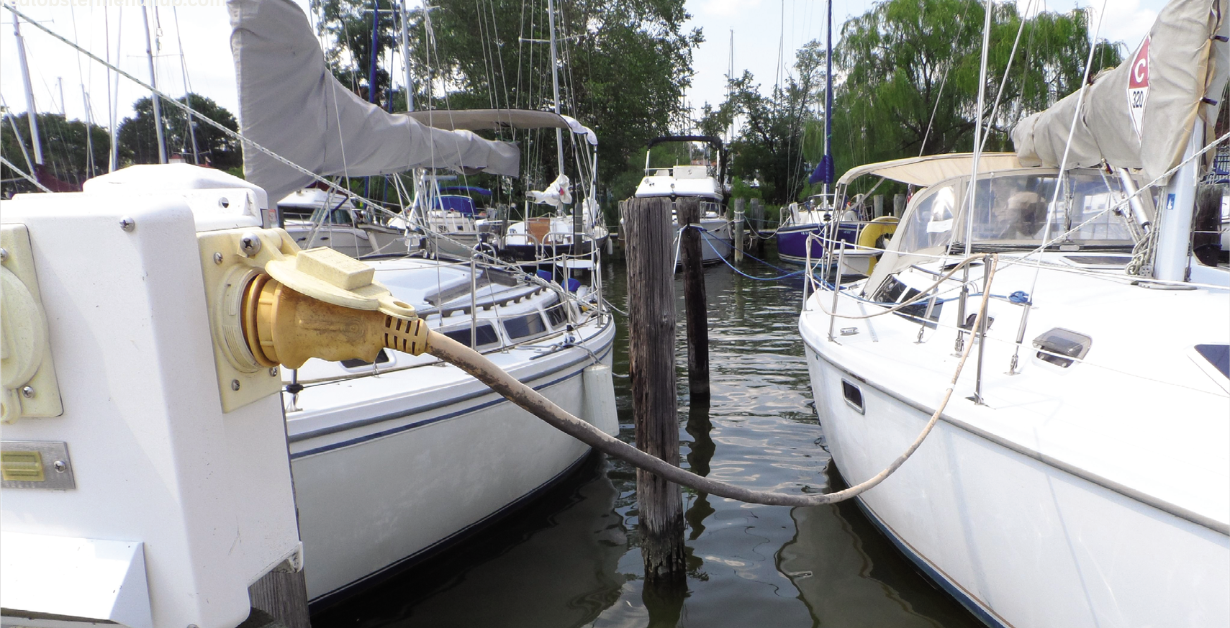
You can use an appropriate marine-rated cord on a boat in the water, but its connection points must be kept out of the water and protected from spray.
Never:
● Place a plug in a puddle
● Leave connectors floating in the water
● Handle connections with wet hands
● Use a cord with exposed conductors
● Run power near a swimming area without proper protection
● Allow a cord to hang where it can be pulled into the water
Electricity and water are a dangerous combination. Disconnect power before moving or inspecting a cord.
Common Marine Extension Cord Mistakes
Choosing the cheapest cord
Low-cost cords may have thin conductors, weak connectors, poor insulation, or limited durability.
Using a cord that is too light
A cord can feel heavy-duty while still being undersized for the connected load. Check the gauge and rating.
Using a cord that is too long
Excess length increases voltage drop and creates a tripping and storage hazard.
Connecting multiple cords together
Daisy-chaining extension cords increases resistance, connection points, and potential failure locations. Use one properly rated cord whenever possible.
Ignoring damaged insulation
Cuts, abrasions, crushed sections, and exposed wires are reasons to replace the cord.
Leaving connections on wet surfaces
Even water-resistant equipment should not sit in puddles or standing water.
Pulling a cord by the cable
Disconnect a cord by gripping the plug, not by pulling on the cable. Pulling the cable can damage strain relief and internal connections.
Coiling a cord while under load
A tightly coiled cord can retain heat while carrying current. Uncoil the cord fully during use when recommended by the manufacturer.
Using adapters without checking compatibility
An adapter does not correct a voltage, amperage, grounding, or wiring mismatch.
How to Inspect a Marine Extension Cord
Before each use, check the entire cord for:
● Cuts
● Cracks
● Flattened sections
● Melted insulation
● Discoloration
● Exposed conductors
● Bent or corroded contacts
● Loose plugs
● Damaged strain relief
● Missing grounding connections
● Water inside connectors
Do not repair a severely damaged shore-power cord with electrical tape. Replace it with a properly rated cord or have it professionally repaired if the manufacturer permits service.
How to Store a Marine Extension Cord
Proper storage can extend the life of a cord.
1. Disconnect the cord from power before coiling it.
2. Wipe away dirt, salt, and moisture.
3. Allow it to dry completely.
4. Coil it loosely without sharp bends.
5. Avoid tight knots or kinks.
6. Store it away from fuel, chemicals, and direct sunlight.
7. Keep connectors protected with suitable covers.
8. Avoid placing heavy equipment on top of the cord.
9. Inspect it again before the next use.
Do not store a wet cord in a sealed container. Trapped moisture can accelerate corrosion and mildew.
Best Marine Extension Cord by Use Case
Best for shore power
Choose a certified marine shore power cord with the correct voltage, amperage, connector configuration, and locking ends for your boat and marina.
Best for small maintenance equipment
A heavy-duty, flexible marine-rated cord with appropriate grounding and water resistance may be suitable for battery chargers, tools, and dockside equipment.
Best for high-current equipment
Use a short, heavy-gauge cord rated for the full load and startup current. Check the manufacturer’s requirements rather than relying only on a general amp rating.
Best for a wet dock environment
Choose a high-visibility cord with durable insulation, molded connectors, strain relief, and suitable water resistance.
Best for cold-weather use
Look for a cord designed to remain flexible at the temperatures where you plan to use and store it.
Frequently Asked Questions
What is the best marine extension cord?
The best cord is one that matches your equipment’s voltage and amperage, has an adequate wire gauge, includes durable marine-rated insulation, and uses connectors compatible with your boat or dockside outlet.
Can I use a regular outdoor extension cord on a boat?
A regular outdoor cord may be acceptable for some temporary, low-load tasks if it is properly rated and kept dry, but it should not automatically be used for marine shore power or permanent onboard connections.
Are marine extension cords waterproof?
Many marine cords are water-resistant, but not all are designed for immersion. Check the product’s specifications and keep connectors out of standing water.
What gauge extension cord is best for a boat?
The correct gauge depends on the load and cord length. Higher loads and longer runs generally require thicker conductors, which have lower gauge numbers.
Can I connect two marine extension cords?
It is better to use one properly rated cord. Connecting multiple cords increases voltage drop, connection points, and the risk of water intrusion or overheating.
How long should a boat’s shore power cord be?
Use the shortest length that safely reaches the dock pedestal without tension. If you need a longer cord, choose one with the appropriate conductor size and rating for the full distance.
Final Thoughts
The best marine extension cord is not simply the longest or thickest cord available. It is the one that matches your boat’s electrical system, connected equipment, cord length, and operating environment.
Before buying, confirm:
● Voltage
● Amperage
● Wire gauge
● Cord length
● Connector type
● Locking configuration
● Water and corrosion resistance
● Grounding requirements
● GFCI or ELCI protection
● Certification and manufacturer instructions
For shore power, always use a properly rated marine shore power cord rather than a household extension cord. For tools and portable equipment, choose a flexible, high-visibility marine-rated cord with enough capacity for the expected load.
Inspect every cord before use, keep connections out of water, avoid daisy-chaining, and replace damaged equipment promptly. The right cord can make dockside power more convenient—but safe installation and careful handling are just as important as the cord itself.
📅 Last updated: