
Last Updated: May 19, 2026
Understanding the Importance of Boat Safety Gear
Sailing and boating can be both relaxing and exhilarating, offering a unique way to experience the beauty of the open waters. However, with adventure comes responsibility. Boat safety gear is essential not just for complying with legal regulations but also for protecting lives. This post discusses the crucial items you should have on board to ensure safe voyages and peace of mind.
Boat Safety Gear

Seachoice Life Vest, Type II Personal Flotation Device, Orange, Adult, 4-Pack w/ Bag
Seachoice Life Vest, Type II Personal Flotation Device, Orange, Adult, 4-Pack w/…

Onyx General Purpose Life Vest, Adult Universal (4-Pack),Red – Blue,30-52-Inch Chest, persons over 90-Pounds., universal
Onyx General Purpose Life Vest, Adult Universal (4-Pack),Red – Blue,30-52-Inch Chest, persons…

Overton's Universal Adult Life Jacket – Pack of 4, Nylon Shell with Closed-Cell Foam, Open Sides and Sturdy Belts, USCG Approved Type III, Fits Chest Sizes 30" to 52", Includes Zippered Storage Bag
Overton's Universal Adult Life Jacket – Pack of 4, Nylon Shell with…
What Constitutes Essential Boat Safety Gear?
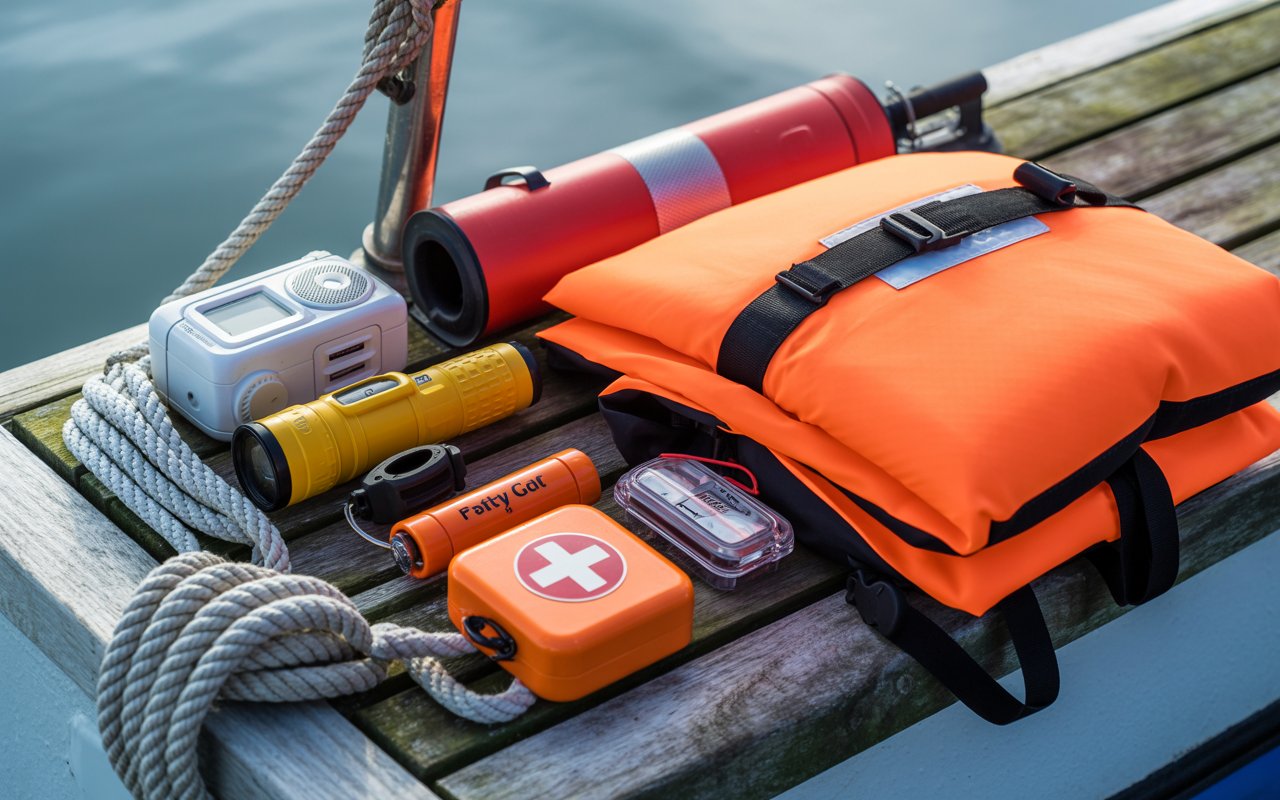
When it comes to essential boat safety gear, certain items are universally recognized for their importance. These include life jackets, visual distress signals, fire extinguishers, and first aid kits. Each of these items plays a vital role in emergency situations, ensuring that you are prepared for the unexpected.
Life Jackets: Non-Negotiable Safety Gear
Life jackets are, without a doubt, the cornerstone of boat safety. According to the U.S. Coast Guard, 84% of drowning victims in 2020 were not wearing a life jacket. This statistic alone highlights the critical importance of having enough life jackets for every person on board and ensuring that they are worn at all times.
Visual Distress Signals: Calling for Help
Visual distress signals include flares and flag signals, which are used to attract attention during an emergency. These should be stored in a waterproof container and kept easily accessible at all times. Regulations often require that boats carry specific types of signals for day and night use.
Fire Extinguishers: Preparing for Onboard Fires
Aboard any vessel, fire extinguishers are a necessity. Fires, though rare, can occur due to fuel leaks or engine malfunctions. Ensure the extinguisher is suitable for marine use, regularly inspected, and easily reachable. Always check the expiration date and conduct maintenance as needed.
Communication Devices
Reliable communication tools such as VHF radios or mobile phones are essential to ensure you can always reach out for help if needed. While mobile phones can be useful within range, VHF radios are preferred as they are tailored for maritime communication.
First Aid Kits: Ready for Medical Emergencies
A comprehensive first aid kit tailored for boating is indispensable. It should include essentials such as bandages, antiseptics, pain relievers, and any necessary medication for specific medical conditions of passengers. Being prepared can handle minor injuries and stabilize a condition until professional help arrives.
Maintaining and Inspecting Boat Safety Gear
Possessing the right safety equipment is only part of the equation. Regular maintenance and inspections are key to ensuring that all gear is in working condition when you need it most. Check expiration dates on flares and fire extinguishers, inspect life jackets for wear and tear, and ensure communication devices are fully charged.
FAQs About Boat Safety Gear
What life jacket should I choose for different activities?
Choose life jackets based on the activities and water conditions. Type I jackets provide the most buoyancy and are suited for offshore activities, while Type III are more comfortable for continuous wear during smooth sailing or water sports.
How often should I replace my safety gear?
Inspect your safety gear annually and replace it as needed. Most safety items have expiration dates, such as flares and fire extinguishers. Replace life jackets if they show signs of wear or damage.
Is a handheld GPS necessary for boating?
A handheld GPS can be incredibly useful, especially when navigating unfamiliar waters. It enhances your navigation tools and can help pinpoint your exact location in times of distress, aiding rescue operations.
What should be in a boat’s emergency kit?
An emergency kit should include a flashlight, extra batteries, a whistle, a mirror for signaling, drinking water, and non-perishable food. Customise it based on your usual boating routes and expected travel time.
Are there any legal requirements for boat safety gear?
Yes, most regions have specific regulations regarding the minimum required safety equipment on boats, including life jackets, fire extinguishers, and distress signals. Always verify local laws before setting sail.
Can I use expired flares and extinguishers?
No, expired flares and extinguishers are unreliable and may not function correctly during an emergency. Always keep your safety gear up-to-date and replace any expired items immediately.
How do I perform a safety gear check before sailing?
Conduct a pre-trip inspection by checking the condition and presence of each safety item. Ensure all passengers know where equipment is stored and how to use it. Test communication devices and review emergency procedures with everyone on board.
Boating offers a world of adventures but ensuring the safety of everyone on board requires diligence and preparedness. By equipping your vessel with the right safety gear and maintaining it properly, you’re taking significant steps towards enjoying a secure and delightful experience on the water.
📅 Last updated: