

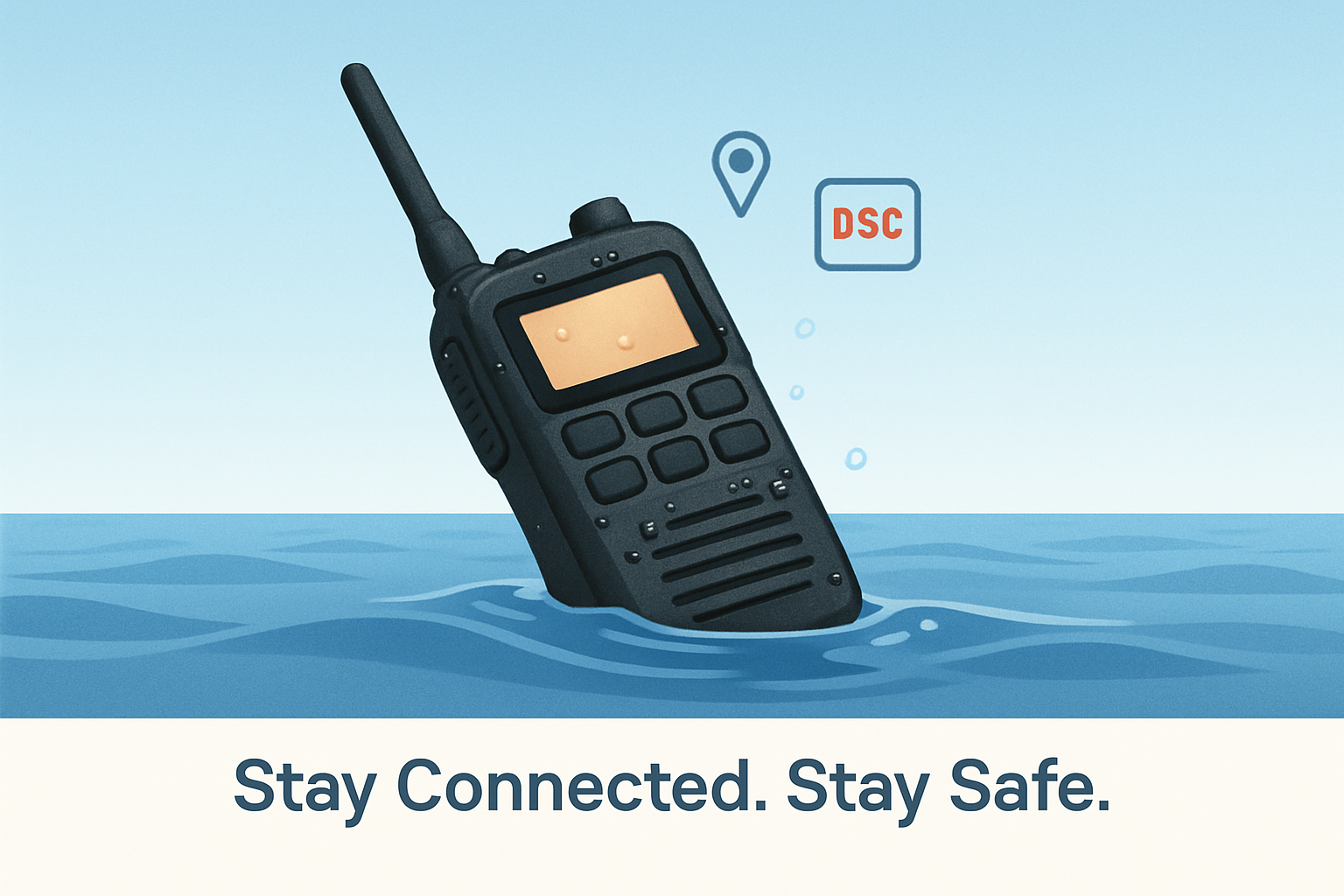
Choosing a handheld VHF radio tailored to your sailing and cruising needs requires careful thought. Whether your primary use involves lake sailboat races or planning for extended coastal cruising, finding a radio that matches both occasions is wise. Many sailors start with simpler models for racing and upgrade later for cruising; however, purchasing a device that can serve dual purposes right away often proves more practical.
Based on discussions from seasoned sailors and cruisers, a versatile handheld VHF radio is not only convenient but also a crucial safety tool. One recommendation is to consider radios that come with waterproof and floating features, as well as integrated GPS and Digital Selective Calling (DSC) functions. This way, the radio supports basic communication needs in races and also enhances safety and navigation capability during cruising.
Handheld VHF Radios for Sailing

Retevis RM40 Marine Radio with GPS,DSC Distress Call,Mob Alarm,IP67 Waterproof Floating Handheld Radio,NOAA Weather Alert,1500mAh Battery,International Channels,for Boats Sailing Coast Guard (1 Pack)
Retevis RM40 Marine Radio with GPS,DSC Distress Call,Mob Alarm,IP67 Waterproof Floating Handheld…
VIEW LATEST PRICE
Standard Horizon HX890 Black Handheld VHF – Floating 6 Watt Class H DSC Two Way Radio
Standard Horizon HX890 Black Handheld VHF – Floating 6 Watt Class H…
VIEW LATEST PRICE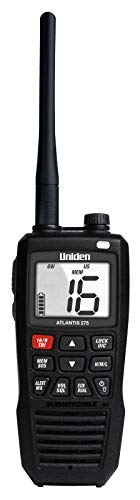
Uniden Atlantis 275 Handheld Two-Way VHF Marine Radio, Floating IPX8 Submersible Waterproof, Large Dual-Color Screen, 6-Watt, All USA/International/Canadian Marine Channels, NOAA Weather Alerts
Uniden Atlantis 275 Handheld Two-Way VHF Marine Radio, Floating IPX8 Submersible Waterproof,…
VIEW LATEST PRICEKey Features to Consider in Handheld VHF Radios
When selecting a handheld VHF radio, several important features should be considered. First, channel scanning capabilities allow you to monitor multiple radio channels, which is particularly helpful for races where communication with race committees or other participants happens simultaneously. Power output levels—often three-tiered—affect transmission range, and radios that permit adjustment offer flexible communication power.
Another key aspect is voice quality. A clear and loud speaker ensures messages come through unmistakably, especially in windy or noisy conditions. Some models include built-in lamps that serve as visual aids for man-overboard (MOB) situations or general illumination, useful during nighttime or low-light conditions.
Battery options deserve attention, too. Radios that support both rechargeable batteries and standard alkaline cells provide important backup solutions. Considering the ability to swap batteries quickly can mean reliable communication throughout long days on the water.
Understanding the Importance of Waterproof and Floating Designs
On the water, your handheld VHF radio may inevitably get wet or even fall overboard. Waterproof radios protect the internal electronics, ensuring that communication remains uninterrupted despite exposure to rain, splashes, or accidental dunking.
Additionally, a floating design means the radio will not sink if dropped in the water, making it easier to retrieve in emergency situations. Multiple users on sailing forums emphasize the peace of mind granted by this feature, which adds a layer of safety beyond communication alone.
When considering radios for use in lake races, where wet conditions are common but ocean exposure less likely, a waterproof and floating radio still proves valuable. Water resistance ratings such as IPX7, indicating submersion for short periods, should be factored into your choice.
Benefits of DSC and GPS Integration for Safety at Sea
Digital Selective Calling (DSC) capability allows a radio to send distress signals automatically, including position data, to other vessels with DSC-equipped radios nearby. This streamlines emergency response, eliminating the need to manually send detailed information during a crisis.
Integrated GPS serves dual purposes. It aids in navigation by allowing location tracking and waypoint marking, and it powers DSC distress signals with precise positioning. For those sailing offshore or navigating challenging waters, these features enhance safety considerably.
One common concern is battery consumption, as GPS functions can drain power quickly. Many radios enable users to disable GPS when continuous use is unnecessary, thereby extending battery life during routine communication.
Comparing Popular Handheld VHF Radio Brands and Models
Several brands stand out among handheld VHF radios favored by sailors. Among the most respected are Standard Horizon, Icom, and Uniden. Each brand offers models with different balances of features, price points, and usability, providing choices for a variety of sailing activities.
Standard Horizon radios often impress with features like DSC, GPS, multiple power levels, and robust construction. Icom models are well-regarded for their professional grade, compact designs, and reliability, particularly in commercial and cruising contexts. Uniden radios appeal for affordability and simplicity, often boasting excellent battery life, although sometimes with fewer advanced features.
Handhelds from these manufacturers have widespread user support, making parts, batteries, and accessories easier to find.
Standard Horizon Series Highlights and Recommendations
Within the Standard Horizon lineup, the HX890 model is a popular choice for cruising sailors and single-handed operators. It features waterproofing, a man-overboard button, GPS, DSC, and multiple power settings. Importantly, it also offers a flashlight function, adding utility beyond communication.
For those focused on racing or general lake sailing, the HX210 is a solid option. It floats and provides essential VHF functions at a competitive price. Its straightforward operation makes it suitable for users who prioritize reliability and simplicity.
Standard Horizon radios are manufactured by Yaesu, known in amateur radio circles for quality products. Some models have complex menus, but these menus often allow customization of settings tailored to specific needs.
Icom Handheld Radios and Their Commercial Reliability
Icom radios carry a reputation for durability and functionality suitable for professional marine use. The IC-M25 and IC-M37 models, for example, offer compact sizes, waterproof builds, and reliable transmissions.
Though Icom radios are often more expensive than counterparts, users note their excellent build and audio clarity. Their radios typically include DSC and floating features, and some models provide AIS reception capabilities, which can offer added situational awareness by picking up nearby vessel information.
Icom’s prominence in commercial sectors means that many cruising sailors trust these units for long-term, demanding use.
Uniden Radios as Budget-Friendly Options with Long Battery Life
For budget-conscious sailors or those seeking a simple, no-frills radio, Uniden handhelds like the Atlantis 275 offer attractive value. These radios typically focus on ease of use, durability, and extended battery lifespan.
While lacking some advanced features found in other brands, Uniden models are reliable for basic communication and often favored for day sails or as guest radios aboard larger vessels. Users praise their straightforward operation and robust batteries that rarely require frequent charging or replacement.
One notable downside for certain older Uniden models is difficulty finding replacement batteries, so checking current availability is advisable.
Practical Advice for Using Handheld VHF Radios During Sailing
Using a handheld VHF radio effectively can impact safety and communication clarity on the water. To optimize reception and transmission, blocking the wind with your hand or body can significantly reduce interference. This practice also aids in being heard clearly by race committees or fellow sailors.
Positioning the radio so the antenna is upright ensures better signal quality. Keeping the radio charged or stocked with fresh batteries prepares you for unpredictable or extended outings.
Many sailors maintain more than one radio: a primary device suitable for all conditions, and a secondary backup for guests or emergencies. This strategy avoids complications if the main radio fails or becomes inaccessible.
The Role of Battery Life and Power Options in Radio Performance
Battery longevity is a critical factor, particularly when cruising or racing over multiple days. Radios with rechargeable lithium-ion batteries offer convenience, but it is beneficial to have the option to use standard alkaline batteries as well. This ensures functionality when recharging options are limited.
Power levels affect both battery usage and communication range. Higher power settings extend transmission distance but consume more energy. Many handhelds allow switching between low, medium, and high power output to balance these needs.
Carrying spare batteries or power banks is a prudent practice, especially during longer voyages or regattas where reliable communication is essential.
Tips for Effective Communication and Signal Clarity on the Water
Clear and concise communication is vital on the water. Using standard marine channels helps prevent confusion and ensures your messages reach the intended recipients promptly.
Reducing background noise by shielding your radio’s microphone improves clarity. Speaking slowly and directly into the mic allows for better reception, especially in windy or noisy environments.
Regularly performing radio checks with the crew or race committee confirms proper operation and avoids miscommunications during critical moments.
Considerations for Cruisers Versus Race Day Users
Race day demands quick, clear communication, often on crowded channels. Handheld VHF radios suited for racing typically emphasize lightweight designs, ease of use, and adequate waterproofing to withstand casual exposure to spray or rain.
Cruisers may prioritize additional functionality such as integrated GPS, DSC for automated distress alerts, longer battery life, and potentially AIS reception. Radios intended for cruising often allow waypoint navigation and recording, providing navigation assistance alongside communication.
The type of sailing you engage in influences the choice between a more straightforward model or one with advanced safety and navigation features.
Avoiding Low-Quality and Knockoff Radio Products
Not all handheld VHF radios are created equal. It’s advisable to avoid inexpensive, low-quality, or knockoff products that might lack essential certifications, durability, or safety features. Many users report poor signal clarity, unreliable performance, and rapid battery drainage in such units.
Purchasing from reputable manufacturers ensures compliance with marine communication standards and access to proper customer support and replacement parts.
Even if the initial cost is higher, investing in a quality radio provides peace of mind and dependable operation when it matters most.
Conclusion and Final Recommendations for Handheld VHF Buyers
Selecting the right handheld VHF radio involves balancing features, reliability, and budget. For lake racing, compact and floating models like the Standard Horizon HX210 provide functionality at an attractive price point. For cruising, radios with integrated GPS and DSC, such as the Standard Horizon HX890 or Icom IC-M25, enhance safety and navigation capabilities.
Uniden models offer budget-friendly options with long battery life, suited for simpler communication tasks or as secondary radios. Waterproof and floating designs are essential for any marine environment, ensuring radios withstand exposure to water and remain recoverable if dropped.
Practical handling advice, such as shielding the microphone from wind and regularly checking battery status, complements selecting a capable radio. Avoiding low-quality brands helps prevent frustrating experiences and supports consistent communication on the water.
In the end, investing in a dependable handheld VHF radio matched to your sailing or cruising style supports both enjoyment and safety on every voyage.
📅 Last updated: