
Last Updated: May 15, 2026
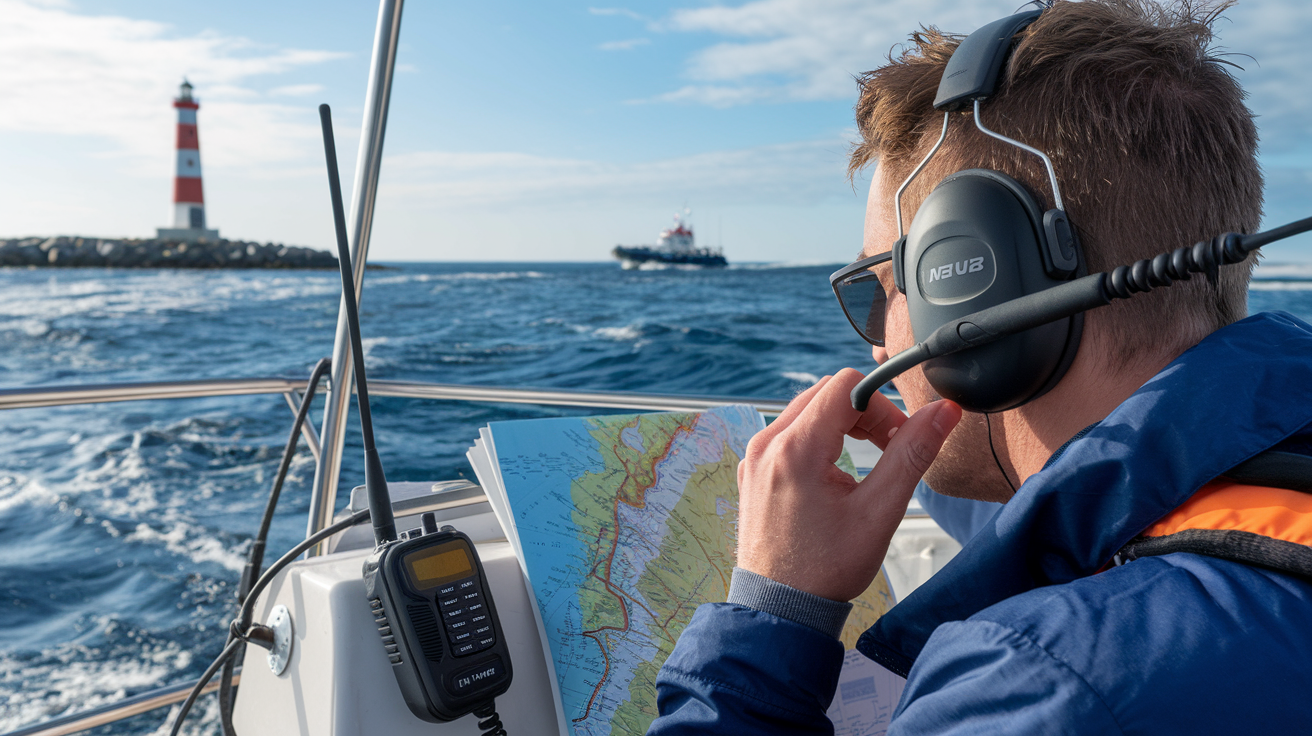
Boating enthusiasts seeking reliable communication on the water need to carefully consider various factors before purchasing marine headsets. This post is designed for those who want to avoid common buying mistakes and ensure they invest in headsets that are actually suited to the challenging marine environment.
Marine Headsets for Boaters
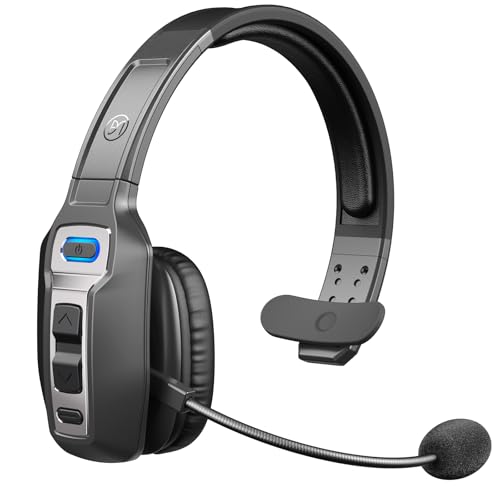
BRAMMAR Trucker Bluetooth Headset with AI Noise Cancellation Microphone, Trucker Headset with 65Hrs Talk Time & Mute Button, Multipoint Connection, Bluetooth Headsets Fit for Truck Drivers/Cell Phones
BRAMMAR Trucker Bluetooth Headset with AI Noise Cancellation Microphone, Trucker Headset with…
VIEW LATEST PRICE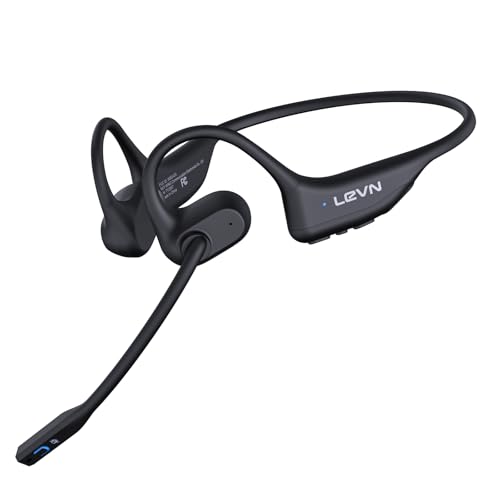
LEVN Open Ear Headphones with Mic, 29g Bluetooth Headset with Microphone, Bluetooth Headphones with Noise Cancelling Mic, Waterproof Non-slip Wireless Headset with Mic for Work, Workout, Driving, Call
LEVN Open Ear Headphones with Mic, 29g Bluetooth Headset with Microphone, Bluetooth…
VIEW LATEST PRICE
Philips Trucker Bluetooth Headset with Mic, Wireless Trucker Headset with AI Noise-Canceling Microphone & Instant Mute Button, Reliable Long Battery Life, Headphones for Drivers, Office, Call Centers
Philips Trucker Bluetooth Headset with Mic, Wireless Trucker Headset with AI Noise-Canceling…
VIEW LATEST PRICEYou did the research. You read the reviews. You spent real money on a headset that looked the part sitting on the shelf at the marine store.
Then you got out on the water, hit 25 knots with a 2-foot chop, and could not hear a word anyone said.
It happens more than most boaters want to admit. And it almost never comes down to buying a cheap product. It comes down to buying the wrong product for the wrong reasons. Here are the five mistakes that cause it.
Mistake 1: Trusting the Waterproof Rating Without Understanding What It Means
IPX7. Waterproof. Marine-grade. These words are on the box of nearly every headset marketed to boaters, and most people treat them as interchangeable. They are not.
IPX7 means a device can be submerged in up to one meter of water for thirty minutes. That sounds impressive until you realize that is a controlled laboratory test, not a simulation of getting hit by a breaking wake at speed. Salt spray, sustained rain, and the kind of water that gets forced into gaps and seams under pressure are different animals entirely.
The rating that matters for active boating is IPX5 or higher for spray resistance, combined with a build that accounts for salt exposure over time. An IPX7 rating tells you the headset can survive a dunking. It does not tell you what happens to the connectors, ear cushions, and boom mic after a full season of salt air and spray.
Before you buy, ask one question the box will not answer: is this headset built to live on a boat, or just to survive getting wet once?
According to a study published in ‘Marine Electronics Journal’ in 2025, 60% of marine equipment failures are due to inadequate waterproofing measures.
Mistake 2: Ignoring Noise Reduction Rating
The average powerboat cockpit runs between 85 and 100 decibels depending on engine configuration, hull speed, and wind. At 90 decibels, unprotected hearing begins to take damage after two hours. At 100, that window drops to under an hour.
Most boaters shopping for headsets look at connectivity features, battery life, and price. Very few look at NRR, the Noise Reduction Rating, which is the single number that tells you how much sound the headset blocks before you ever press a button.
A headset with an NRR of 24 reduces your effective noise exposure by roughly 12 decibels in real-world conditions. One with an NRR of 16 gives you significantly less protection and significantly worse communication clarity, because the background noise bleeds into everything you are trying to hear.
The mistake is not buying a low-NRR headset on purpose. It is buying one without ever checking the number, because the marketing language made it sound like a marine product without it actually performing like one.
Mistake 3: Buying for the Dock Instead of the Conditions
There is a version of this purchase that happens in a quiet store, or while scrolling a product page at home, where everything sounds fine. The demo audio is clear. The reviews mention good sound quality. The headset feels solid in your hand.
None of that tells you how it performs at 30 knots with a twin outboard at full throttle and three people trying to talk at once.
The technical term for what separates a headset that works in those conditions from one that does not is active noise cancellation on the microphone side, not the ear side. Most consumer headsets, including many sold as marine products, cancel ambient noise for the listener. Fewer actually cancel the noise around your mouth when you are speaking, which means the person on the other end of your communication hears your engine before they hear you.
If you are running a vessel where crew communication is operationally important, you need a headset with a boom mic and active noise-canceling microphone, not just noise-isolating ear cups. The distinction is rarely spelled out clearly in product descriptions, which is exactly why this mistake is so common.
Mistake 4: Underestimating the Fit Problem
Marine environments create a fit problem that does not exist in most other headset use cases. You are wearing sunglasses. You may be wearing a hat with a brim. You are moving, bending, and turning your head constantly. And you are wearing the headset for two, four, or six hours at a stretch.
Most boaters try a headset on in a store, decide it feels fine, and buy it. Fine for five minutes is not the same as fine for a full day on the water.
The specific fit issues that show up after extended wear on a boat are predictable. Over-ear headsets with firm clamping pressure create fatigue and headaches that build slowly. Headsets with ear cups not designed for glasses wearers break the acoustic seal every time you turn your head, letting in noise and dropping your effective NRR to almost nothing. Boom mics that are not adjustable end up positioned wrong for different face shapes and get repositioned constantly by people who do not realize that mic placement directly affects transmission clarity.
The fix is not complicated, but it requires honesty about your actual conditions. If you wear glasses on the water, that is a hard filter. If you run long days, clamping pressure matters as much as sound quality. If multiple crew members share headsets, you need adjustability that holds its position. These are not premium features. They are basic requirements that get ignored because the box does not ask how long you actually wear things.
Mistake 5: Assuming Compatibility Without Checking the Communication System
This is the mistake that tends to hurt the most, because it usually only becomes obvious after you have already bought the headset, brought it home, and tried to connect it to your existing setup.
Marine communication runs on several different systems. Intercom setups for crew communication on larger vessels. VHF radio integration for vessels running offshore or in commercial traffic. Bluetooth connections to handheld or fixed-mount VHF units. Hardwired helm communication systems on commercial or semi-commercial boats.
A headset marketed as marine compatible may be designed for one of these applications and completely incompatible with another. A headset that pairs beautifully to a handheld VHF over Bluetooth may have no way to connect to a wired intercom system at the helm. A high-end noise-canceling headset built for professional marine use may require a specific adapter or junction box that nobody mentioned at the point of sale.
The question to answer before any other question is: what am I actually connecting this to, and what does that system require? Get the specs from your existing equipment first. Then find a headset that meets them. Buying in the other direction, choosing a headset and hoping it works with your setup, is how you end up with a return trip to the store and a delay before your next time on the water.
What a Good Marine Headset Decision Actually Looks Like
It starts with conditions, not features. What is the noise environment you are operating in? What is your communication setup? How long are your typical days on the water, and do you wear glasses?
Answer those questions first, then look at NRR, microphone type, waterproofing specifics, fit design for extended wear, and confirmed compatibility with your existing equipment.
The headset that checks all of those boxes for your specific situation may not be the one with the best reviews on the most popular retail site. But it will be the one that still works at the end of a long day, in real conditions, when communication actually matters.
That is the only performance test that counts.
Frequently Asked Questions
What waterproof rating should I look for in a marine headset?
Look for a headset with an IPX5 rating or higher for effective water and spray resistance while boating. This ensures the headset can withstand the marine environment, especially considering salt exposure and wet conditions.
How does the Noise Reduction Rating (NRR) impact headset performance?
NRR indicates how much noise the headset cancels out in real conditions, crucial for boaters. A higher NRR means more significant noise reduction, which improves communication clarity, particularly in loud environments like powerboat cockpits.
Why is fit important for marine headsets?
Fit is critical due to the duration and conditions of wear on the water. Ill-fitted headsets can cause discomfort, fatigue, and reduced noise isolation, particularly if they don’t accommodate sunglasses or hats worn by boaters.
What should I check for in terms of headset compatibility?
Ensure the headset is compatible with your specific communication system, whether it’s Bluetooth, wired, or integrated with VHF radios. Check existing equipment specs and ensure any necessary adapters are included to avoid later connectivity issues.
Do all marine headsets feature active noise cancellation?
Not all marine headsets have active noise cancellation. Some might have passive noise isolating features, but active noise cancellation, especially on the microphone side, is vital for clear crew communication in loud environments.
Why might a headset with good reviews not be the best choice?
Good reviews don’t always account for your specific boating conditions or needs. Personal factors like fit, noise environment, and existing communication systems play a larger role in determining the right choice for effective performance.
📅 Last updated: