

Marine lights are essential for navigation, safety, and aesthetics on the water. They come in various types, including LED, halogen, and incandescent, each offering unique benefits for boaters. Incorporating marine lights not only enhances visibility but also guarantees adherence to maritime safety regulations.
Last Updated: May 15, 2026
Marine Boat Lighting
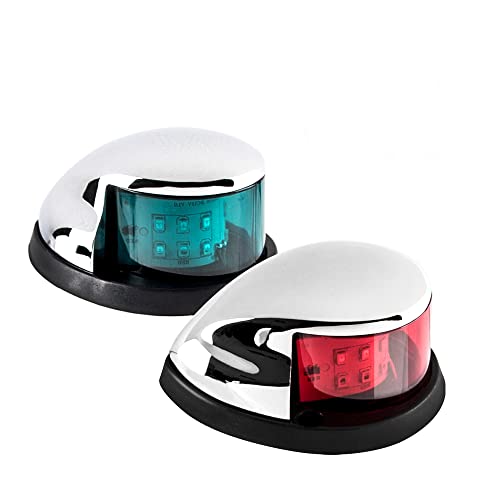
Sebnux Boat Navigation Light Red and Green LED Marine Navigation Boat Bow Light for Pontoon and Small Boat (Silver)
Sebnux Boat Navigation Light Red and Green LED Marine Navigation Boat Bow…
VIEW LATEST PRICE
Seaperk Boat LED Boat Navigation Light, Red and Green Marine Navigation Lights for Boats led, Boat Bow Lights for Night Fishing Night Boating, Nav Light for Bass Boats, Pontoon, Jon Boats
Seaperk Boat LED Boat Navigation Light, Red and Green Marine Navigation Lights…
VIEW LATEST PRICE
Obcursco Boat Navigation Lights, Red and Green Marine LED Bow Lights, IP67 Waterproof, Rust-Resistant, Ideal for Pontoon, Skiff, Small Boats, and Yacht(Silver)
Obcursco Boat Navigation Lights, Red and Green Marine LED Bow Lights, IP67…
VIEW LATEST PRICEMarine lights are a crucial component of any boat, serving multiple purposes such as navigation, safety, and visual appeal. Whether you are sailing through serene waters at dusk or embarking on a night-time fishing adventure, having the right marine lighting is essential for safety and compliance with maritime regulations. This post will guide you through the various types of marine lights and their applications, ensuring you make well-informed decisions for your nautical journeys.
Understanding Marine Lights
Marine lights come in different forms, each tailored to specific needs on board a vessel. The primary purpose of these lights is to ensure visibility and safety while navigating waters, especially under low-light conditions. Regulatory bodies like the International Maritime Organization (IMO) mandate the use of specific lights to signal vessel activity and prevent collisions.
Types of Marine Lights
There is a wide range of marine lights available, each offering distinct advantages and fulfilling particular roles:
- Navigation Lights: Navigation lights are crucial for informing other vessels of your boat’s position, direction, and status. These include bow lights, stern lights, and running lights, each with designated colors (red for the port side, green for the starboard, and white for stern lights).
- Anchor Lights: Used to signal a stationary vessel, anchor lights are typically white and visible from all directions.
- Deck Lights: These lights illuminate the deck area for tasks and enhanced visibility, ensuring safety during night-time operations.
- Underwater Lights: Often used for aesthetics, underwater lights add a captivating glow to the water around your boat, making it stand out.
- Flood and Spotlights: Designed for illuminating specific areas, these lights are useful for docking, fishing, or emergency situations.
The Advantages of LED Marine Lights
Marine lighting technology has advanced significantly, with LED lights becoming increasingly popular among boat owners. LED (light-emitting diode) lights offer numerous benefits over traditional halogen and incandescent options:
- Energy Efficiency: LED lights consume far less energy, placing less strain on your boat’s battery and reducing fuel consumption.
- Longevity: LED lights have a much longer lifespan, often exceeding 50,000 hours, which reduces the frequency and cost of replacements.
- Environmental Impact: With lower power consumption and reduced carbon emissions, LEDs are an eco-friendly choice.
- Durability: LEDs are more robust and resistant to vibrations, which is beneficial in the often turbulent marine environment.
Choosing the Right Marine Lights for Your Vessel
Selecting the appropriate marine lights for your vessel depends on several factors, including your typical boating activities, budget, and regulatory requirements. Here are some pointers to guide your selection:
Assessing Your Boating Needs
Consider how and when you use your boat. If you frequently sail at night or in foggy conditions, prioritizing high-quality navigation lights is essential. For fishing enthusiasts, bright spotlights and deck lights can enhance your experience.
Budget Considerations
While LED lights can have a higher initial cost than other types, their long-term savings on energy and replacements often outweigh the upfront expense. Investing in quality lights can also prevent costly fines associated with non-compliance to maritime regulations.
Compliance with Maritime Regulations
Ensure that all lights adhere to international and local maritime safety standards. This not only ensures safety but also protects you from legal repercussions.
FAQ Section
What are the most common types of marine lights?
The most common types of marine lights include navigation lights, anchor lights, deck lights, underwater lights, and flood/spotlights. Each type serves a specific safety and functional purpose on a boat.
Why are LED lights preferred for marine use?
LED lights are preferred for marine use due to their energy efficiency, long life span, durability, and lower environmental impact. They are more cost-effective in the long run compared to traditional lighting options.
How do marine lights contribute to safety?
Marine lights improve visibility, helping prevent collisions and signaling your vessel’s position and activity to others. This adherence to maritime regulations is crucial for ensuring safety on the water.
Can I install marine lights myself?
While some marine light installations are straightforward, professional installation is recommended to ensure proper functioning and compliance with safety regulations. Improper installation can lead to equipment failure and safety hazards.
What maintenance do marine lights require?
Regular maintenance of marine lights includes checking for proper connections, replacing burned-out bulbs or LEDs, and cleaning lenses to ensure maximum brightness. Regular inspections help prolong their lifespan and ensure reliability.
How often should marine lights be replaced?
The replacement frequency depends on the type of lights and their usage. LED lights can last up to 50,000 hours, significantly reducing the need for frequent replacements compared to halogen or incandescent lights.
Are underwater lights legal on all boats?
Laws regarding underwater lights vary by region and type of waterway. Always check local regulations before installing them to ensure compliance with all safety and environmental laws.
📅 Last updated: