

A marine radio channels list isn’t just a menu of frequencies; it is the traffic control system of the waterways. Unlike a smartphone where you dial a specific number to reach a specific person, a VHF radio broadcasts to everyone tuned to a specific channel. Understanding which channel serves which purpose—distress, bridge-to-bridge communication, port operations, or casual conversation—is the single most important skill for operating a marine radio effectively.
If you are on the water, you need to know more than just how to push the transmit button. You need to know where to direct your voice. Using the wrong channel can block emergency calls, violate federal regulations, or simply result in silence when you are trying to reach a marina. This guide breaks down the entire marine VHF spectrum, explaining exactly which channels you should use, which ones you must monitor, and which ones are strictly off-limits.
Marine VHF Radios and Accessories
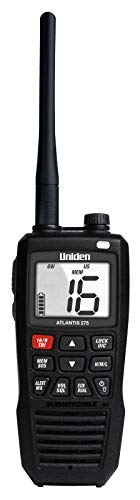
Uniden Atlantis 275 Handheld Two-Way VHF Marine Radio, Floating IPX8 Submersible Waterproof, Large Dual-Color Screen, 6-Watt, All USA/International/Canadian Marine Channels, NOAA Weather Alerts
Uniden Atlantis 275 Handheld Two-Way VHF Marine Radio, Floating IPX8 Submersible Waterproof,…
VIEW LATEST PRICE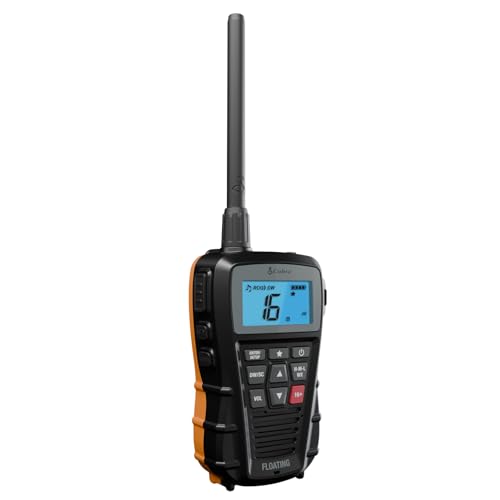
Cobra BlueBound 150 VHF Handheld Marine Radio – Black – 3-Watt, Floating, Long Range, NOAA Weather Alerts, International Functionality, IPX7 Waterproof, USB-C, Submersible, LCD Screen, Belt Clip
Cobra BlueBound 150 VHF Handheld Marine Radio – Black – 3-Watt, Floating,…
VIEW LATEST PRICE
Uniden Atlantis 155 Handheld Two-Way VHF Marine Radio, Floating IPX8 Submersible Waterproof, Dual-Color Screen, All USA/International/Canadian Marine Channels, NOAA Weather Alert, 10 Hour Battery
Uniden Atlantis 155 Handheld Two-Way VHF Marine Radio, Floating IPX8 Submersible Waterproof,…
VIEW LATEST PRICEKey Takeaways
- Channel 16 is paramount: This is the international distress, safety, and calling channel. You must monitor it whenever your radio is on and not being used for other communication.
- Channel 13 prevents collisions: Used for bridge-to-bridge communication between vessels for navigation safety.
- Channel 70 is silent: This channel is reserved exclusively for Digital Selective Calling (DSC) data transmissions. Never speak on Channel 70.
- Region matters: US, International, and Canadian channel banks use different frequencies for the same channel numbers. Ensure your radio is set to the correct region.
- “A” channels are unique: In the US, channels with an “A” suffix (like 22A) operate in simplex mode, different from their international duplex counterparts.
- Recreational vs. Commercial: Specific working channels are designated for non-commercial boats (like 68, 69, 71, 72) versus commercial vessels (like 8, 10, 67).
- Weather is receive-only: The WX band (channels WX1-WX7) provides NOAA weather alerts but does not allow two-way communication.
The Anatomy of the Marine VHF Band
Before memorizing the specific numbers, you need to understand how the Very High Frequency (VHF) band is structured. Marine VHF radios operate between 156.050 MHz and 162.550 MHz. This spectrum is sliced into distinct “channels” to make it user-friendly. Instead of dialing in “156.800 MHz,” you simply turn the knob to Channel 16.
Simplex vs. Duplex Channels
This is a technical detail that trips up many boaters. Channels function in one of two ways:
Simplex Channels: You transmit and receive on the exact same frequency. This means only one person can talk at a time. If two people press the button simultaneously, they “step on” each other, and the audio becomes garbled. Most ship-to-ship channels (like 6, 16, and 68) are simplex.
Duplex Channels: These use two different frequencies paired together—one for transmitting and one for receiving. This allows for cleaner communication over longer distances, typically when talking to a shore station like a Marine Operator or a specific port authority. You generally cannot hear other boats talking on a duplex channel; you only hear the shore station.
The Regional Banks: USA, INT, CAN
Your radio likely has a button to switch between frequency bands: USA, International (INT), and Canada (CAN). This setting changes the frequencies assigned to specific channel numbers.
For example, Channel 22 is a duplex channel in International mode. However, in the US, it is used as Channel 22A, a simplex channel for Coast Guard safety broadcasts. If your radio is set to “INT” while you are in US waters, you will not be able to communicate effectively on these specific channels. Always check your screen to ensure you are in the correct regional mode for your location.
The Big Three: Channels 16, 13, and 09
Every boater must know these three channels by heart. They form the backbone of marine safety and basic navigation.
Channel 16: Distress and Hailing
Channel 16 (156.800 MHz) is the most critical channel on your radio. It is reserved for distress calls (Mayday), urgency signals (Pan-Pan), safety alerts (Securite), and initial hailing.
If you need to contact another boat or a shore station, you call them on Channel 16. Once they answer, you must switch to a working channel immediately. Never hold a conversation on 16. The Coast Guard monitors this channel 24/7.
Rules for Channel 16:
- Monitor this channel at all times when underway.
- If you hear a Mayday, listen. Do not transmit unless you can offer assistance or the Coast Guard does not respond.
- Keep hailing calls short: “Vessel Sea Ray, this is Blue Horizon, over.”
Channel 13: Bridge-to-Bridge Navigation
Channel 13 is the “turn signal” of the waterways. It is used for navigational safety communication between vessels. If you are approaching a large commercial ship, a tug and barge, or meeting another boat in a narrow channel, you use Channel 13 to agree on how you will pass (e.g., “port to port”).
In many areas, bridges and locks also operate on Channel 13. Large commercial vessels are required by law to monitor this channel. If you are navigating near heavy traffic, it is smart to maintain a “dual watch” on Channels 16 and 13.
Channel 09: The Alternate Calling Channel
In some US waters, Channel 09 is designated as an alternate hailing channel for recreational boaters. The intent is to relieve congestion on Channel 16. You can call a buddy boat on Channel 09 and then switch to a working channel. However, Channel 16 remains the mandatory distress frequency. If you are in an emergency, use 16, not 09.
Recreational Working Channels
Once you have established contact on a calling channel, you need to move the conversation elsewhere. These are known as “working channels.” For recreational boaters (non-commercial), specific channels are set aside for talking to friends, arranging rendezvous points, or discussing fishing spots.
Primary Recreational Channels:
- Channel 68: The most common working channel for pleasure craft.
- Channel 69: Another standard recreational working channel.
- Channel 71: Often used for pleasure craft operations.
- Channel 72: Frequently used for ship-to-ship communications.
- Channel 78A: Designated for recreational use in US waters.
When you hail a friend on Channel 16, your script should look like this: “Vessel Dreamer, this is Lazy Days. Switch one-zero, over.” “Switching one-zero.”

If you switch to a channel and find it busy, simply go back to the hailing channel and propose a different number. Never interrupt an ongoing conversation on a working channel.
For those looking to equip their vessel, understanding how these channels work is easier with the right gear. A solid best fixed mount VHF marine radio will allow you to scan these working channels easily while keeping priority watch on 16.
Commercial Working Channels
Commercial vessels—tugs, fishing fleets, cargo ships, and water taxis—have their own designated slice of the spectrum. Recreational boaters should generally avoid using these channels to keep them clear for professional operations.
Common Commercial Channels:
- Channel 08: Commercial inter-ship.
- Channel 10: Commercial inter-ship.
- Channel 18A: Commercial.
- Channel 67: Used for commercial navigational safety and traffic control in some areas (also used for VTS in the lower Mississippi River).
- Channel 79A & 80A: Commercial business.
Listening to these channels can provide excellent situational awareness if you are navigating near a shipping lane or a busy commercial harbor. You will hear tug captains discussing barge movements or pilots coordinating with dock workers. Just listen; don’t join the chat unless necessary for safety.
Digital Selective Calling (DSC) and Channel 70
Channel 70 is unique because you will never hear a voice on it. It is dedicated exclusively to Digital Selective Calling (DSC). DSC is a data transmission protocol that allows radios to send text-like digital messages.
When you press the red “Distress” button on your radio, it broadcasts a digital data burst on Channel 70. This signal includes your MMSI number (your vessel’s unique ID) and, if connected to GPS, your precise latitude and longitude.
Why Channel 70 Matters:
- Silence is Mandatory: Voice transmission is strictly prohibited on Channel 70.
- Automated Watch: Your radio automatically monitors Channel 70 in the background. You do not need to “tune” to it.
- Direct Calling: You can use DSC to “ring” a specific friend’s radio by entering their MMSI number. Their radio will switch to the working channel you selected automatically.
According to the Navigation Center’s guide for boaters, DSC effectively acts as a pager system, alerting the receiver before voice communication begins. This reduces the need to clutter Channel 16 with hailing calls.
Port Operations and VTS Channels
Major harbors and waterways often have Vessel Traffic Services (VTS)—essentially air traffic control for boats. VTS monitors traffic flow, provides safety advice, and coordinates vessel movements.
Typical VTS and Port Channels:
- Channel 05A: Port operations/VTS (common in places like Seattle or Houston).
- Channel 11: VTS calling frequency in many zones.
- Channel 12: Port operations and VTS.
- Channel 14: Port operations and VTS.
In VTS zones, participation is often mandatory for vessels of a certain size (usually commercial), but recreational boaters are highly encouraged to monitor these frequencies. It lets you know if a 900-foot container ship is coming around the bend.
If you are entering a new harbor, check the local charts or cruising guide to identify the specific working channel for the Harbormaster. It is often Channel 68, 09, or 71, but in large commercial ports, it might be one of the VTS channels listed above.
The “A” Channels: Understanding the US Mode
This is where the list gets tricky. International standards allocate two frequencies for certain channels (duplex). The United States, however, uses only one of those frequencies for the same channel number (simplex) to allow for more ship-to-ship communication.
To distinguish these, the US adds an “A” to the channel number.
- Channel 22: International Duplex.
- Channel 22A: US Simplex (Reserved for Coast Guard Liaison).
If you look at your radio display, you might see “22A” or just “22” with a “USA” icon indicating the mode.
Critical “A” Channels:
- Channel 22A: The primary working channel for the US Coast Guard. If you hail the Coast Guard on 16, they will almost always tell you to “switch two-two alpha.”
- Channel 05A, 18A, 19A: Used for port operations and commercial traffic in US waters.
If you buy a radio in Europe and bring it to the US without changing the regional settings, you might be transmitting on the wrong frequency when you try to use these channels. This is why marine radio reviews often emphasize checking the regional capabilities of a unit before purchase.
NOAA Weather Channels (WX)
Your VHF radio is also your best source for weather information. The WX band consists of 7 to 10 channels (depending on the radio model) that receive continuous broadcasts from the National Oceanic and Atmospheric Administration (NOAA).
These frequencies (162.400 MHz to 162.550 MHz) are receive-only. You cannot transmit on them.
Usage Tips:
- WX1 through WX7: Scroll through these until you find the strongest signal for your area.
- Weather Alert: Most modern radios have a “Weather Alert” feature. When activated, the radio will interrupt your conversation or silence to sound an alarm if NOAA issues a severe weather warning.
- Coverage: These broadcasts cover coastal waters, the Great Lakes, and major waterways.
For boaters venturing offshore or into remote areas, having a handheld VHF marine radio with GPS ensures you can receive these weather updates even if your main vessel power fails.
Restricted and Forbidden Channels
Just because you can turn the dial to a channel doesn’t mean you should talk on it. Some channels are reserved for specific government agencies or operations.

Strictly Forbidden for Public Use:
- Channel 70: DSC Data only.
- Channel 15: Receive only (Environmental).
- Channel 06: Reserved for search and rescue operations and safety (though often used incorrectly for chatter). Technically, 06 is for inter-ship safety, but keep it clear for SAR operations when active.
- AIS Channels (87B, 88B): Reserved for the Automatic Identification System data.
Using these channels for casual conversation is not just poor etiquette; it is a violation of FCC rules. While the “radio police” aren’t everywhere, interfering with government operations or data streams can lead to significant fines.
Public Correspondence (Marine Operator)
Decades ago, before cell phones and satellite internet, the only way to call home from a boat was via the Marine Operator. You would hail the operator on a specific channel, and they would patch your radio call into the landline telephone network.
Channels: 24, 25, 26, 27, 28, 84, 85, 86, 87.
Today, these channels are largely silent and obsolete for their original purpose. However, the frequencies still exist. In some areas, they have been repurposed for other commercial or VTS uses, but generally, recreational boaters have little reason to use these high-numbered duplex channels.
Automatic Identification System (AIS) Channels
AIS is a tracking system that uses transponders on ships to broadcast their position, speed, and identity to other ships. AIS operates on two specific VHF frequencies:
- AIS 1: 161.975 MHz (87B)
- AIS 2: 162.025 MHz (88B)
You cannot talk on these channels. Your radio (if equipped with an AIS receiver) listens to these data bursts and plots the targets on your display. If you are using an older radio, you might see channels 87 and 88 available for voice, but attempting to use them in an area with heavy AIS traffic will result in interference.
Understanding AIS is vital for modern navigation. Comprehensive marine communications guides highlight that while AIS aids visibility, it relies on the VHF spectrum, making it a “cousin” to your voice communications.
Proper Radio Etiquette and Protocol
Knowing the channel list is half the battle; knowing how to speak is the other. Marine radio is public. Everyone within 20 miles can hear you.
The Golden Rules:
- Listen First: Before you press the button, listen for 30 seconds to ensure the channel is clear.
- Identify Yourself: Start every transmission with the name of the vessel you are calling (3 times) followed by your vessel name (2 times). “Sea Ray, Sea Ray, Sea Ray, this is Blue Horizon, Blue Horizon.”
- Use Low Power: For nearby conversations (inside a marina or harbor), switch your radio to “1 Watt” or “Low Power.” This prevents your signal from blasting out 20 miles and cluttering the channel for others.
- Keep it Brief: Radio channels are a shared resource. Get your message across and sign off.
- Profanity: It is illegal to use profane or indecent language on the radio.
Troubleshooting Common Channel Issues
Sometimes you are on the right channel, but communication fails. Here is why that usually happens based on channel configuration.
“I can hear them, but they can’t hear me.”
- Check your power setting. You might be on 1 Watt trying to reach a boat 10 miles away.
- Check your squelch. If it’s too high, you might be missing their weak reply.
- Check Simplex/Duplex. If you are on a duplex channel (like 22 in INT mode) trying to talk ship-to-ship, it won’t work.
“I hear only static or data noise.”
- You might be tuned to an AIS or DSC frequency by mistake.
- You might be on a channel suffering from interference from nearby land-based electronics.
“The Coast Guard isn’t answering on 22A.”
- They might be busy handling a distress call on 16. Wait and try again, or call on 16 first to establish contact.
For reliable communication, ensure you have the right equipment. Whether you need a best marine two way radio for crew communication or a robust fixed unit, the hardware dictates how well you can utilize these channels.
FAQ
Is it illegal to chat on Channel 16?
Yes. Channel 16 is designated strictly for hailing (calling another boat to establish contact) and distress/safety traffic. Once you make contact with another vessel, you are required by law to switch to a working channel (like 68 or 72) for your conversation.
Do I need a license to use marine radio channels?
For most recreational boaters operating domestically in US waters on a vessel under 65 feet, you do not need a station license or a restricted radiotelephone operator permit. However, if you travel to international waters (including Canada or the Bahamas) or communicate with foreign stations, you are required to have a Restricted Radiotelephone Operator Permit.
Can I use a CB radio or FRS walkie-talkie instead of VHF?
No. CB radios and FRS (Family Radio Service) walkie-talkies operate on completely different frequency bands. They cannot communicate with the Coast Guard, marine police, or other vessels using standard marine VHF radios. Relying on them for marine safety is dangerous and ineffective.
What should I do if I hear a “Mayday” call?
Listen immediately. Do not transmit. Write down the details (location, nature of distress, number of people). If the Coast Guard or another authority does not respond after a few moments, you should acknowledge the call and offer assistance if you are in a position to help without endangering your own vessel.
Why are there “A” and “B” channels?
These suffixes indicate that the channel is using only one side of a frequency pair that is normally duplex (two-frequency) internationally. “A” usually indicates the US simplex frequency used for ship-to-ship or ship-to-shore. “B” channels are rarer in voice comms and often used for data like AIS.
Final Thoughts on Marine Communication
The marine radio channels list is a standardized system designed to keep order in an environment that can quickly become chaotic. When you respect the channel designations, you aren’t just following rules—you are contributing to the safety net that protects every boater on the water.
Treat your radio with the same respect you treat your GPS or your life jackets. It is a primary safety tool. Keep it on Channel 16, keep your conversations on working channels, and ensure your equipment is set to the correct regional mode. By mastering these channels, you ensure that when you press that button, your voice is heard by the right people at the right time.
📅 Last updated: