
Last Updated: May 17, 2026
Choosing the right battery for your boat can feel like trying to decode a complex puzzle. I remember entering a marine store and feeling overwhelmed by the vast array of batteries on display. Each one seemed to boast its own benefits, but which was right for my needs? In this guide, I’ll simplify your decision-making process, diving into the intricacies of the three main battery types: flooded lead acid, AGM, and lithium.
Statistics show that lithium batteries have seen a usage increase by 20% over the past five years due to their longer lifespan and efficiency. This highlights their growing popularity among boaters seeking reliable power solutions.
Understanding Battery Types
Choosing the right battery for your boat can feel overwhelming. There are so many options available. But don’t worry! I’m here to break it down for you. The three primary types of batteries you’ll encounter are:
Marine Boat Batteries
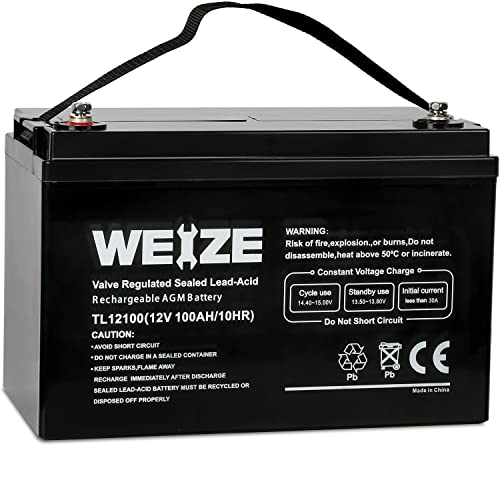
Weize Deep Cycle AGM 12 Volt 100Ah Battery, Maintenance-Free, 3% Self-Discharge Rate, 1150A Max Discharge Current, Perfect for RV, Solar, Trolling Motor, Wind, Marine, Camping and Off-Grid System
Weize Deep Cycle AGM 12 Volt 100Ah Battery, Maintenance-Free, 3% Self-Discharge Rate,…
VIEW LATEST PRICE
12V 100Ah Lithium Battery,LiFePO4 Battery Built-in 100A BMS Protect,Group 31 Deep Cycle Portable Power,Lithium Iron Phosphate Battery for Trolling Motors,Yacht, Marine,RV, Home Energy (1 Pack-100Ah)
12V 100Ah Lithium Battery,LiFePO4 Battery Built-in 100A BMS Protect,Group 31 Deep Cycle…
VIEW LATEST PRICE
Newport 12V50Ah Deep Cycle Heavy-Duty Marine Battery, Lightweight & Sealed AGM, Trolling Motor Compatible
Newport 12V50Ah Deep Cycle Heavy-Duty Marine Battery, Lightweight & Sealed AGM, Trolling…
VIEW LATEST PRICE- Flooded Lead Acid Batteries: Affordable and widely available.
- AGM Batteries: Maintenance-free and reliable, but heavier.
- Lithium Batteries: Lightweight and long-lasting, but pricier.
Flooded Lead Acid Batteries
Let’s start with the flooded lead acid battery. This type has been around the longest. It’s generally the most affordable option on the market. These batteries contain lead plates submerged in electrolyte. They typically last between 2 to 4 years, depending on maintenance and charger quality.
For instance, I’ve heard great things about the Minn Kota PCL charger. It’s known for effectively maintaining flooded lead acid batteries. This can really help ensure optimal longevity. But remember, if you don’t maintain them well, you might find yourself replacing them sooner than expected.
AGM Batteries
Next up are AGM batteries. These are similar to flooded lead acid batteries but with a twist. The electrolytes in AGM batteries are absorbed into the plates. This makes them virtually maintenance-free. You won’t have to worry about spills either. However, they do come with a downside: they are heavier and often cost about twice as much as flooded lead acid batteries.
AGM batteries typically last between 3 to 5 years. They are a reliable choice for many boaters. If you want something that requires less attention, AGM might be the way to go.
Lithium Batteries
Finally, we have lithium batteries. These are gaining popularity for good reasons. They are lightweight—about half the weight of lead acid or AGM batteries. Plus, they have an impressive lifespan of 10 to 12 years. That’s a significant upgrade!
One of the best features of lithium batteries is their ability to maintain a constant discharge rate. They consistently provide over 12 volts until they need recharging. Yes, they come with a higher initial cost, but when you average out the total cost over their lifespan, they can be comparable to AGM or lead acid batteries.
“Understanding your battery’s lifespan can enhance your boating experience dramatically.”
Historical Context and User Experiences
Battery technology has come a long way. In the past, boaters had limited options. Now, we have choices that cater to different needs and preferences. Some users swear by flooded lead acid batteries for their affordability. Others prefer AGM for their maintenance-free nature. And then there are those who have made the switch to lithium, enjoying the benefits of weight and longevity.
As we delve deeper into battery types, it’s essential to consider your specific needs. Are you looking for something budget-friendly? Or do you want a battery that requires minimal maintenance? Perhaps you’re interested in the long-term investment that lithium offers?
Battery Lifespan Comparison
Here’s a quick comparison of the lifespans of these battery types:
- Flooded Lead Acid: 2-4 years
- AGM: 3-5 years
- Lithium: 10-12 years
Understanding these lifespans can help you make an informed decision. It’s all about weighing the pros and cons. Each battery type has its unique advantages and drawbacks that can significantly affect your boating experience.
Conclusion
In the end, the choice of battery comes down to your personal preferences and boating needs. Whether you lean towards flooded lead acid, AGM, or lithium, knowing the ins and outs of each type will help you enjoy your time on the water.
Deep Cycle vs Starting Batteries
When it comes to choosing the right battery for your boat, the options can be overwhelming. I know this from experience. The two main types of batteries you’ll encounter are deep cycle batteries and starting batteries. Each serves a different purpose, and understanding their differences is crucial.
Deep Cycle Batteries
Deep cycle batteries are designed for prolonged discharge. They release energy slowly over time, making them ideal for applications like trolling motors. Imagine you’re out on the water, fishing for hours. You need a battery that can keep your motor running without dying halfway through your trip. That’s where deep cycle batteries shine.
- They are built to handle repeated deep discharges.
- Perfect for powering devices that require consistent energy over long periods.
For example, if you have a trolling motor that draws 20 amps, a 100 amp-hour deep cycle battery can run it for about five hours. This is essential for those long days on the lake.
Starting Batteries
On the other hand, we have starting batteries. These batteries are designed to provide quick bursts of power. They give your engine the jolt it needs to start up. Think of them as the sprinters of the battery world. They excel in short, intense bursts but are not suited for prolonged use.
- They are ideal for outboard motors.
- Best for starting engines quickly and efficiently.
Imagine you’re at the dock, ready to head out for a day of boating. You turn the key, and your starting battery kicks in, giving your engine the power it needs to roar to life. But once the engine is running, it’s not the battery you want to rely on for long-term energy.
Hypothetical Scenarios
Let’s illustrate this with a couple of hypothetical scenarios. Picture this: you’re out fishing with friends. You’ve got a deep cycle battery powering your trolling motor. It’s a hot day, and you’re out for hours. The battery keeps your motor running smoothly, allowing you to navigate the waters without a hitch.
Now, imagine the opposite. You’re using a starting battery for your trolling motor. After a couple of hours, it dies. You’re stuck in the middle of the lake, waiting for someone to come rescue you. Not a fun situation, right? This is why understanding the difference between these batteries is so important.
Personal Anecdotes
I’ve had my share of battery failures and successes. One time, I relied on a starting battery for my trolling motor. It seemed like a good idea at the time. But halfway through my trip, the battery died, and I had to paddle back to shore. Lesson learned! Now, I always opt for a deep cycle battery when I’m out on the water.
In emergencies, having the right battery can be a lifesaver on the water. It’s not just about convenience; it’s about safety.
Battery Comparison Table
| Battery Type | Ideal Use |
|---|---|
| Deep Cycle Battery | Ideal for trolling motors |
| Starting Battery | Preferred for outboard motors |
When purchasing a lead acid battery, choosing a deep cycle battery is essential for trolling motors. It’s designed for prolonged energy discharge, unlike a starting battery meant for quick power bursts. Understanding these differences can save you from a lot of headaches on the water.
Sizing Your Battery: A Practical Guide
Choosing the right battery for your boat can feel overwhelming. With so many options available, it’s easy to get lost in the details. However, understanding battery sizes is a crucial first step. Let’s break down the basics.
Battery Sizes Explained
When it comes to marine batteries, you’ll often hear about three primary sizes: Group 24, Group 27, and Group 31. Each size has its own specifications and fits different needs.
- Group 24: This is the smallest of the three. It’s suitable for smaller boats or those with lower power requirements.
- Group 27: A popular choice for many boaters. It strikes a balance between size and power, making it ideal for average-sized boats.
- Group 31: This is the largest size. It’s perfect for bigger boats or those that need more power for extended periods.
Understanding these sizes helps you match the battery to your boat’s energy needs. But how do you determine what those needs are?
Calculating Power Needs Based on Motor Draw
To choose the right battery, you need to know how much power your motor draws. This is measured in amps. For example, if your motor draws 20 amps, you can calculate how long a battery will last.
Here’s a simple formula: Battery Capacity (in amp-hours) ÷ Motor Draw (in amps) = Hours of Operation.
So, a 100 amp-hour battery can power a motor that draws 20 amps for about 5 hours (100 ÷ 20 = 5). This is a crucial calculation. It helps prevent running out of power when you’re out on the water.
Visual Representation of Amp-Hour Requirements
While I can’t provide a chart here, visualizing amp-hour requirements can be quite helpful. Imagine your battery as a gas tank. The bigger the tank (higher amp-hours), the longer you can run your motor without refueling. If you miscalculate your needs, you might find yourself stranded, which is not a fun situation!
Reflecting on my own experiences, I once underestimated my battery needs. I thought a smaller battery would suffice. Unfortunately, I ended up cutting my day short. It was a lesson learned the hard way.
Technical Specifications and Dimensions
Each battery type has its own technical specifications. For instance, flooded lead-acid batteries are the most affordable but require maintenance. AGM batteries are maintenance-free but heavier and pricier. Lithium batteries, while costly upfront, offer longevity and consistent power. Each type has its pros and cons, and understanding these can guide your choice.
Remember, the physical dimensions of the battery must also fit in your boat’s battery compartment. Always measure before purchasing!
Safety Considerations
Safety is paramount when dealing with batteries. Never connect the positive and negative terminals together. It’s a simple mistake that can lead to serious consequences. Also, consider using battery post covers to prevent accidental short circuits.
“Choosing the right battery size is as crucial as choosing the right boat.”
As we wrap up the boating season, it’s wise to think about battery maintenance. If you can, remove the batteries from your boat. If not, ensure they’re fully charged and disconnect the leads. This will help prolong their lifespan.
In conclusion, understanding battery sizes and power needs is essential for any boater. It ensures you have the right tools for a successful outing. So, take the time to size your battery correctly. Your future self will thank you!
Maintenance and Safety Considerations
When it comes to boating, ensuring the longevity and safety of your battery is crucial. I’ve learned that a little preventative maintenance goes a long way in ensuring a safe boating experience. So, let’s dive into some essential maintenance tips and safety considerations that can help you keep your battery in top shape.
Regular Maintenance Tips for Longevity
Maintaining your battery isn’t just about keeping it charged. Here are some practical tips to extend its life:
- Check the water levels: If you have a flooded lead-acid battery, it’s essential to keep the electrolyte levels topped up. Low water levels can lead to sulfation, which reduces battery capacity.
- Clean the terminals: Corrosion can build up on battery terminals. Regularly cleaning them with a mixture of baking soda and water can prevent poor connections.
- Inspect for damage: Look for cracks or leaks in the battery casing. A damaged battery can be a safety hazard.
- Test the battery: Use a multimeter to check the voltage. A healthy battery should read around 12.6 volts when fully charged.
By following these tips, you can help ensure your battery lasts longer and performs better.
Proper Installation Methods to Avoid Short Circuits
Installation is another critical aspect of battery maintenance. Improper installation can lead to short circuits, which can be dangerous. Here are some methods to consider:
- Secure the battery: Ensure the battery is firmly secured in place to prevent movement that could cause terminal connections to loosen.
- Use proper connectors: Always use the correct connectors and ensure they are tightly fastened. Loose connections can lead to arcing and short circuits.
- Keep it dry: Moisture can cause corrosion and short circuits. Make sure the battery compartment is dry and well-ventilated.
Taking these precautions can significantly reduce the risk of electrical mishaps.
Importance of Circuit Breakers
Incorporating a circuit breaker is a wise safety measure. It protects your wiring from overloads and potential fires. If there’s a fault, the circuit breaker will trip, cutting off the power supply. This simple device can save your boat from significant damage.
Seasonal Battery Care
As the boating season winds down, it’s essential to think about seasonal battery care. If you can, remove the battery from the boat. If that’s not practical, ensure it’s fully charged and disconnect the leads. This will help prevent any drainage during the off-season. Remember, the trolling motor power supply should never be tied together with the starting battery. Keeping them separate is vital for maintaining battery health.
Common Mistakes to Avoid
Even the most seasoned boaters can make mistakes. Here are some common pitfalls to watch out for:
- Neglecting maintenance: It’s easy to forget about battery care when you’re busy enjoying your time on the water. Regular checks are essential.
- Overcharging: Using the wrong charger can lead to overcharging, which damages the battery.
- Ignoring warning signs: If your battery isn’t holding a charge or shows physical damage, don’t ignore it. Replace it promptly.
Being aware of these mistakes can save you time and money in the long run.
Safety Measures
To protect yourself and your battery, consider these safety measures:
- Battery post covers: These are required by the United States Coast Guard. They prevent accidental contact with the terminals.
- Separate deep cycle batteries: For trolling motors, using dedicated deep cycle batteries is essential. This prevents draining your starting battery.
By implementing these safety measures, you can enjoy a worry-free boating experience.
In conclusion, protecting your battery and avoiding mishaps involves some fundamental safety measures and regular maintenance practices. These ensure not only the longevity of your battery but also the safety of your boating expeditions. Remember, a little effort goes a long way. So, let’s keep our boats safe and our batteries healthy!
FAQs on Marine Battery Choices
Which type of battery is best for a trolling motor?
For trolling motors, deep cycle batteries are the preferred choice. They’re designed to handle prolonged discharge, providing consistent energy over long periods.
How often should I charge my marine battery?
Marine batteries should be charged after each use to prevent capacity loss. It’s especially important to keep them fully charged during the off-season to prolong their lifespan.
Can I use a car battery in my boat?
While it’s possible to use a car battery in your boat, it’s not recommended. Car batteries are designed for short bursts of power, unlike marine batteries which provide power over longer periods.
Why is my battery losing charge quickly?
Rapid battery discharge can be due to several factors, including age, improper maintenance, or a high level of parasitic drain from electronics. Regular checks and maintenance can prevent this issue.
What is the difference between AGM and lithium batteries?
AGM batteries are heavier and provide steady power, but require less maintenance than flooded batteries. Lithium batteries are lighter, have a longer lifespan, and maintain power more consistently, but are typically more expensive.
Do lithium batteries require a special charger?
Yes, lithium batteries require chargers that are compatible with their charging specifications to ensure safety and efficiency. Using the wrong charger could damage the battery.
📅 Last updated: