

Last Updated: May 15, 2026
What should you do in an emergency on the water? Is it true that VHF radios can reach out miles if properly equipped? Let’s explore these common questions and more, breaking down the essentials of using VHF radios for boating communications.
Navigating the nuances of VHF radio communication is essential for anyone venturing out to sea. This guide explores the fundamental aspects of using these radios effectively, prioritizing key emergency channels and etiquette to ensure safety and clear communication. Whether you’re a seasoned boater or a novice, understanding the essentials of VHF radios can be invaluable.
Essential Channels to Monitor on Your VHF Radio for Safety
When you’re on the water, the first channel you should always monitor is Channel 16. This is your emergency channel where you can hear about any emergencies occurring around you. It’s the primary hailing channel for calling other boats or the Coast Guard.
Recommended VHF Radio Equipment for Boating Adventures
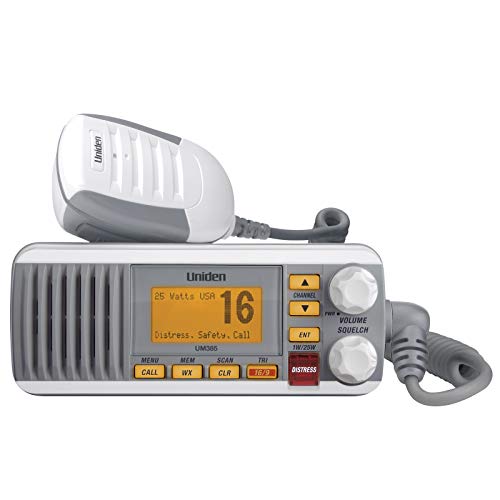
Uniden UM385 25 Watt Fixed Mount Marine Vhf Radio, Waterproof IPX4 with Triple Watch, Dsc, Emergency/Noaa Weather Alert, All Usa/International/Canadian Marine Channels, Memory Channel Scan, White
Uniden UM385 25 Watt Fixed Mount Marine Vhf Radio, Waterproof IPX4 with…
VIEW LATEST PRICE
Uniden UM385BK 25 Watt Fixed Mount Marine VHF Radio, Waterproof, Noaa Weather Alert, All USA/Intl/Canadian Marine Channels
Uniden UM385BK 25 Watt Fixed Mount Marine VHF Radio, Waterproof, Noaa Weather…
VIEW LATEST PRICE
Uniden UM725 Marine VHF Radio, All USA, Canada, and Int’l. Marine Channels, 1Watt/25Watt Transmit Power, Largest LCD Screen in Class, NOAA Weather Channels w/Alerts, Speaker Mic, IPX8 Waterproof.
Uniden UM725 Marine VHF Radio, All USA, Canada, and Int’l. Marine Channels,…
VIEW LATEST PRICEOnce you’ve established communication, you may switch to one of several other channels for more specific conversations:
- Channel 9: Often used at bridges and by smaller boats for short-range communications.
- Channel 13: This is a bridge-to-bridge channel meant for communication between vessels.
- Channel 22: Used by the Coast Guard, but you must first call them on Channel 16.
Understanding these channels can save lives, especially if you need urgent assistance while out at sea. According to a report from the U.S. Coast Guard, monitoring Channel 16 is mandatory for all vessels with fixed radio installations in many regions worldwide.
How Antenna Height Influences Your Radio Communication Range
The height of your VHF radio antenna can dramatically influence how far your signals can reach. For instance, if your antenna is mounted just a few feet above the water, it might only send signals up to three miles away. In contrast, an antenna installed 40 feet high could facilitate communication over 15 to 20 miles.
In short, the higher the antenna, the better the coverage, thanks to the radio waves being line-of-sight. So, if you’re outfitting a sport fishing boat or any watercraft, ensure your antenna is as high as possible and mounted vertically to maximize range.
The Importance of Correct Emergency Protocols Like ‘Mayday’
Using the right terminology in emergencies can mean the difference between life and death. The term mayday must be used when you are in a life-threatening situation, such as sinking or a fire on board.
To make a mayday call effective, remember to:
- Say “mayday” three times.
- State the name of your boat.
- Provide your location.
This redundancy—calling it three times—is essential. It allows others who may not catch your first transmission a better chance of hearing your distress signal.
The second level of urgency is the term pon pon, used for situations that are urgent but not immediately life-threatening, like an injury onboard or minor flooding.
Tips to Avoid Confusion Using Your VHF Radio
Failing to adhere to proper radio etiquette can create confusion, especially in emergencies. Always remember to:
- Use clear language and avoid jargon.
- Speak at a steady pace.
- Confirm that the other party understands your message.
- Avoid social chatter on emergency frequencies.
To facilitate better communication, consider using scanning functions on your radio to monitor multiple channels efficiently. This will help you stay informed about potential hazards and conversations happening around you.
Key Specifications to Consider When Choosing a VHF Radio
When choosing a VHF radio for your boat, consider these key features:
- Channels: Ensure it has the basic channels as well as access to weather channels.
- Power: Look for models that offer higher wattages, as they can transmit signals over greater distances.
- Build Quality: Nautical conditions can be tough, so a waterproof and durable model is preferred.
- Ease of Use: Check for user-friendly designs, like large buttons and clear displays, that can make operations simpler at sea.
Don’t forget to read the owner’s manual, as each model might have unique functionalities.
The Importance of Regular Weather Checks While Boating
Weather conditions can change rapidly at sea. It’s advisable to check weather reports every few hours or whenever you’re about to make significant changes to your course. Most VHF radios have a dedicated WX button that lets you access weather channels quickly.
The Coast Guard provides updates every six to twelve hours, which is an excellent resource for ensuring your safety while out on the water.
Steps to Take During an Emergency on the Water
If you face an emergency, the first step is to assess the situation. If immediate action is necessary, follow these guidelines:
- Call Mayday on Channel 16: As mentioned, it’s critical to announce your emergency clearly and with repetitions for clarity.
- Provide Details: After your mayday call, give information about your vessel and precise location.
- Be Prepared: Follow instructions given by the personnel responding to your call. They may guide you on what to do next or what assistance is inbound.
Understanding how to execute these steps can enhance your preparedness for any sudden crisis on the water.
Debunking Common Misconceptions About VHF Radio Usage
Many boaters have misconceptions about how to properly use a VHF radio. Here are key points to clarify:
- Misuse of Emergency Channels: Some users treat emergency channels like Channel 16 as social spaces, which can lead to vital information being missed during serious scenarios.
- Believing Cell Phones Are Sufficient: While personal phones may work in shallow coastal areas, they won’t function mid-ocean. Always prioritize VHF radios for reliable communication.
By educating yourself on these misconceptions, you can become a more effective communicator while ensuring safety for both you and others on the water.
Crucial Knowledge for New Boat Owners Regarding VHF Radio Communications
New boat owners often wonder what they must prioritize with VHF radios. Here’s a list of essential tips for novice boaters:
- Learn the Basics: Familiarize yourself with the operation of your VHF radio before you head out. Understanding the controls and how to change channels is critical.
- Practice Making Calls: Run through the process of calling, ensuring you feel confident in using proper emergency protocols.
- Monitor Regularly: Keep your radio on when underway. Monitoring Channel 16 allows you to stay updated on any emergencies or important notifications.
This preparation can provide you with peace of mind and the means to correctly respond should anything arise while on the water.
Staying Informed About Safety Notifications and Warnings
Being aware of navigation or weather warnings is crucial while boating. Regularly check your VHF radio for broadcasts, and signal with caution when you’re navigating into less familiar waters.
Remember that other boats may also be using VHF radios for navigation preferences or warnings, so keep your ears tuned while you’re on the move.
Future Trends in VHF Radio Technology for Marine Communication
As technology evolves, we can expect advancements in VHF radio systems. Future developments might include:
- Integrated GPS Features: Enhanced GPS integration can provide real-time location tracking, making navigation easier and more precise.
- Improved Battery Life: Expect more durable designs with longer battery performance. This could greatly aid prolonged outings without needing a recharge.
- Better Usability: Innovations aimed at making VHF radios simpler to operate will likely emerge as user experience continues to take precedence.
Keeping an eye on these trends will help you make informed choices about your boating equipment and communication systems as they evolve.
Navigating boating communications can seem complex, but by understanding the key elements of VHF radio usage, boat owners can enhance their safety and communication skills. Keeping these insights in mind prepares you for any journey on the water.
Frequently Asked Questions
What is the range of a VHF radio?
VHF radios typically have a range of about 5 to 20 miles, depending significantly on the height of the antenna above sea level. Elevating your antenna can vastly extend this range.
Can VHF radios be used inland?
While VHF radios are primarily designed for maritime use, they can be used inland for certain industrial and commercial applications. However, their effectiveness is reduced in areas with obstacles like buildings and mountains.
How do I perform a radio check?
You can perform a radio check by calling on Channel 16 and requesting a radio check from any nearby station. Once they respond, switch to a working channel to confirm your equipment is functioning correctly.
Is a VHF radio the same as a walkie-talkie?
No, VHF radios and walkie-talkies are different, primarily in terms of range and purpose. VHF radios are built for maritime communication over longer distances, while walkie-talkies are generally for short-range terrestrial communication.
Why are clear communications crucial in emergencies?
Clear communication in emergencies ensures that vital information is quickly transferred, increasing the likelihood of a swift and effective response. Using established protocols like “Mayday” helps avoid confusion and prioritizes your call for immediate assistance.
Do I need a license to operate a VHF radio?
In several countries, such as the United States, operators of VHF radios on uninspected vessels are not required to hold a license. However, it is essential to familiarize yourself with local regulations, as requirements may vary globally.
What precautions should I take with my VHF radio?
Ensure your VHF radio is well-maintained and check that the antenna is securely mounted. Regularly test your radio’s functionality, keep it dry, and have an emergency backup plan, such as a handheld VHF radio or satellite communication device.
📅 Last updated: