
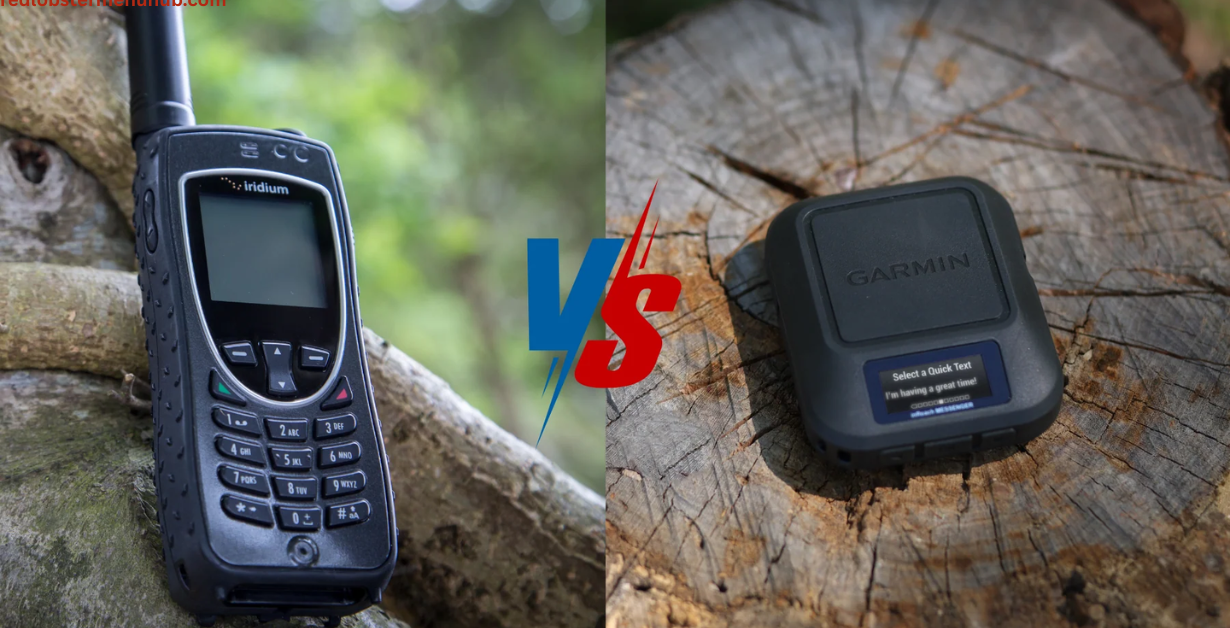
When you travel beyond reliable cell phone coverage, a satellite-based communication device can be an important part of your safety plan. Two of the most common options are a personal locator beacon (PLB) and a satellite messenger.
Both devices can help you get assistance in remote areas, but they are designed for different purposes. A PLB is primarily an emergency distress beacon. A satellite messenger supports two-way communication, location sharing, and emergency messaging.
So, which is better: a personal locator beacon or a satellite messenger?
The answer depends on where you travel, how far you are from help, and whether you need basic emergency signaling or ongoing communication. This guide compares the two devices to help you choose the right option.
What Is a Personal Locator Beacon?
A personal locator beacon, or PLB, is a compact emergency device designed to summon search-and-rescue assistance in a life-threatening situation.
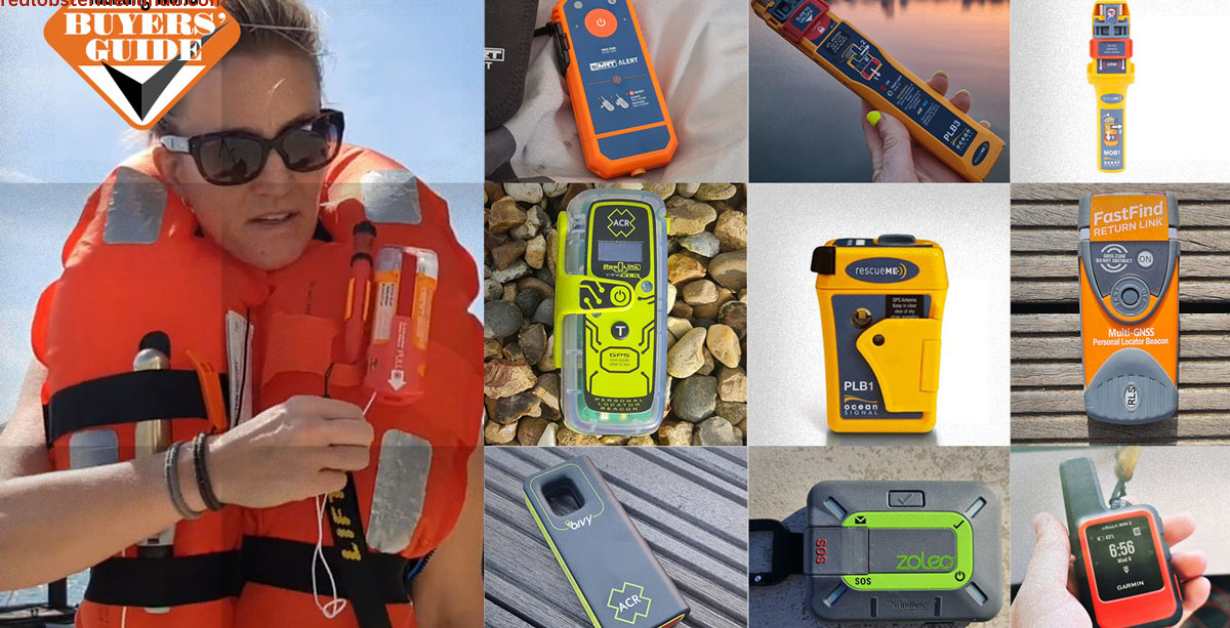
When activated, a PLB typically:
● Transmits a distress signal on the 406 MHz emergency frequency
● Uses the COSPAS-SARSAT international search-and-rescue system
● Sends the beacon’s unique identification information
● Provides location data through GPS or another GNSS receiver, if equipped
● Transmits a homing signal to help rescuers locate the user nearby
PLBs are designed for emergencies, not everyday communication. They generally don’t send text messages, share routine location updates, or support two-way conversations.
What Is a Satellite Messenger?
A satellite messenger is a portable communication device that uses a commercial satellite network to send and receive messages in areas without cellular coverage.
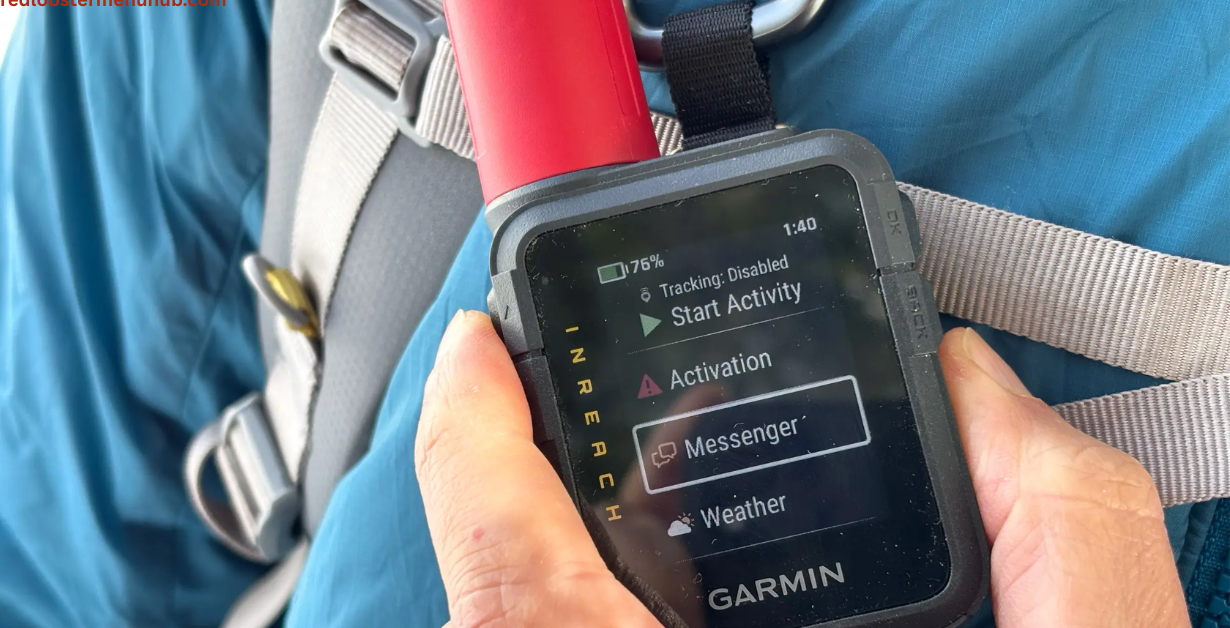
Depending on the model and service plan, a satellite messenger may allow you to:
● Send and receive text messages
● Share your location.
● Track your route
● Send check-in messages
● Receive weather forecasts
● Communicate with family or trip contacts
● Trigger an SOS alert
Satellite messengers usually require an active subscription. Their emergency features are commonly connected to a private emergency response center that assesses the alert and coordinates assistance.
Personal Locator Beacon vs. Satellite Messenger: Key Differences
The main difference is purpose. A PLB is an emergency-only device, while a satellite messenger is designed for both emergency and routine communication.
| Feature | Personal Locator Beacon | Satellite Messenger |
| Primary purpose | Emergency distress signaling | Two-way communication and emergency messaging |
| Communication | Usually one-way | Usually two-way |
| Routine messaging | No | Yes. |
| Location sharing | Emergency-focused | Available on demand or continuously |
| Subscription | Usually not required | Usually required |
| Emergency system | COSPAS-SARSAT | Commercial satellite network and response center |
| GPS location | Available on many models | Common on most models |
| Weather updates | Usually unavailable | Available on some models |
| Battery use | Typically reserved for emergencies | Can drain faster with tracking and messaging |
| Best use | Serious, life-threatening emergencies | Communication, tracking, and flexible emergency support |
How a PLB Works in an Emergency
When you activate a PLB, it sends a coded distress signal to satellites in the COSPAS-SARSAT system. The signal is relayed to ground stations and then forwarded to the relevant rescue coordination center.
A GPS-enabled PLB can transmit your location more accurately than a beacon that relies only on satellite signal calculations. Many PLBs also transmit a local homing signal and may include a strobe light to help rescuers find you after they reach the general area.
A PLB does not usually tell rescuers:
● What caused the emergency
● How many people need assistance
● Whether you are injured
● What type of rescue equipment is needed
● Whether the situation has improved
It sends an alert and location information. If possible, you may need another communication method to provide additional details.
How a Satellite Messenger Works in an Emergency
A satellite messenger usually connects to your phone through Bluetooth or operates with its own built-in controls. You can use it to send an SOS message through the device’s satellite network.
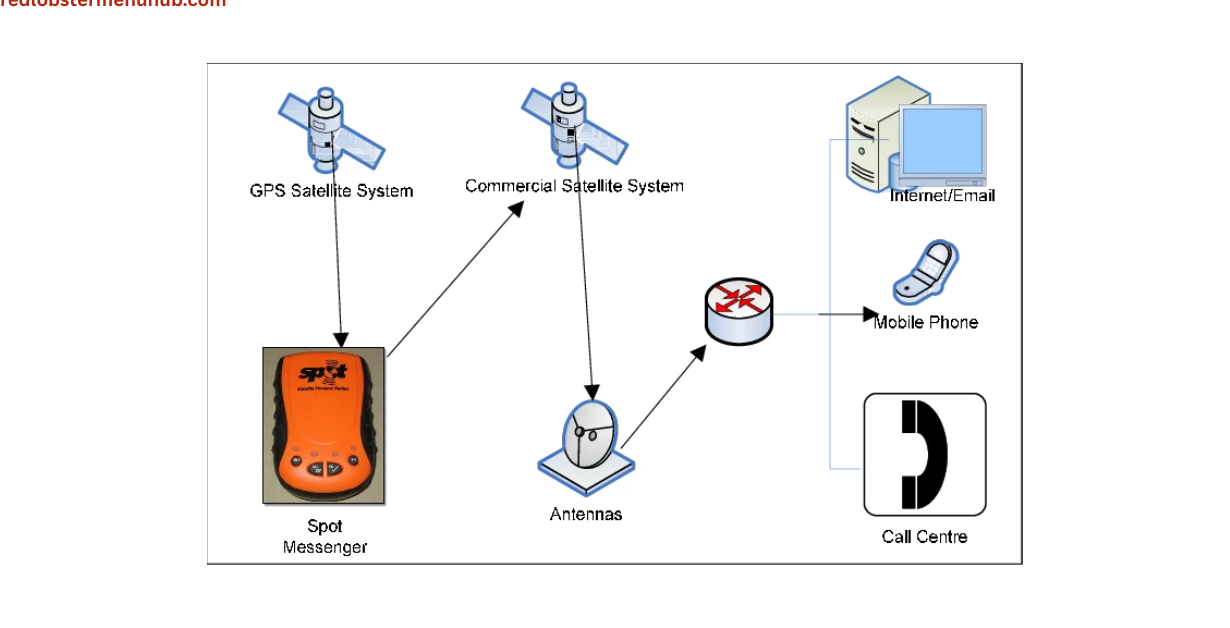
Depending on the device and service provider, the emergency response process may include:
1. Activating the SOS function.
2. Confirming or describing the emergency.
3. Communicating with a trained response professional.
4. Sharing your location and relevant personal details.
5. Receiving updates or instructions while help is coordinated.
The ability to communicate with a response center can be a major advantage. You may be able to explain whether you need medical assistance, evacuation, transportation, or help for another person in your group.
However, the quality and speed of communication depend on satellite visibility, device design, network availability, battery life, and the terms of your service plan.
Advantages of a Personal Locator Beacon
No monthly subscription in most cases
Most PLBs do not require a recurring service plan to send a distress signal through the COSPAS-SARSAT system. You still generally need to register the device with the appropriate national authority.
This can make a PLB appealing to occasional travelers who want a dedicated emergency device without paying for year-round messaging service.
Direct connection to search-and-rescue authorities
PLB alerts are routed through an established international search-and-rescue system. The alert is sent to the appropriate rescue coordination authorities based on the beacon’s location and registration information.
Strong emergency focus
A PLB is built for one primary task: signaling that you need emergency assistance. Its limited functionality can be helpful during a stressful situation because there are fewer communication features to manage.
Long standby life
PLBs are designed to remain ready for extended periods. Their batteries often have a long shelf life, although they must be replaced or serviced according to the manufacturer’s schedule.
Useful as an independent backup
A PLB can provide a second emergency option if your phone, satellite messenger, or other communication device is damaged, lost, or out of battery.
Limitations of a Personal Locator Beacon
Little or no two-way communication
A PLB generally cannot send messages or receive instructions. Rescue authorities may know that a beacon has been activated, but not the details of your situation.
No routine tracking or check-ins
You cannot normally use a PLB to share your progress, notify family that you have reached camp, or send a weather-related update.
Accidental activation can trigger a major response
Because a PLB alert is treated seriously, accidental activation can create unnecessary work for rescue authorities. If you activate one by mistake, follow the manufacturer’s instructions and notify the relevant authority as soon as possible.
Registration is essential.
A PLB should be registered with accurate contact and ownership information. Registration requirements vary by country, so check the rules that apply to your device.
Advantages of a Satellite Messenger
Two-way messaging
Two-way communication is one of the biggest benefits of a satellite messenger. You can exchange messages with family, friends, trip leaders, or an emergency response center.
This can help you:
● Explain what happened
● Provide updates about injuries
● Clarify your exact location
● Receive instructions
● Coordinate a non-emergency pickup
● Let others know that your plans have changed
Location sharing and tracking
Many satellite messengers can transmit your location at regular intervals. This allows trusted contacts to follow your progress and may make it easier to determine where you were last known to be if something goes wrong.
Tracking can also help search teams understand your route and identify where you may have stopped moving.
Weather information
Some satellite messengers provide weather forecasts or allow you to request weather updates. This feature can help you make better decisions before crossing a pass, launching a boat, or continuing into changing conditions.
Flexible emergency communication
A satellite messenger may be useful for both serious emergencies and less urgent problems. For example, you could use it to report a minor injury, request advice, or arrange a change in plans without immediately initiating a full-scale search-and-rescue response.
More convenient for regular outdoor use
If you frequently travel in remote areas, a satellite messenger can function as a general communication tool rather than something used only in a crisis.
Limitations of a Satellite Messenger
Subscription costs
Satellite messengers generally require an active service plan. Depending on the provider, you may pay activation fees, monthly charges, annual fees, message fees, or additional costs for tracking and weather features.
Battery consumption
Frequent messaging, location tracking, Bluetooth use, and poor satellite visibility can reduce battery life. You may need to carry a power bank or solar charger on longer trips.
More complicated operation
Satellite messengers typically offer more functions than PLBs. You may need to pair the device with a smartphone, open an app, compose messages, check satellite visibility, or navigate multiple menus.
Network and sky-view limitations
A satellite messenger may not send or receive messages immediately if you are under dense forest, inside a canyon, near steep mountains, or surrounded by buildings. You may need to move to a location with a clearer view of the sky.
Emergency response varies by provider.
The SOS process differs among service providers. Read the terms of service carefully so you understand how alerts are handled, what information is shared, and what type of assistance the provider can coordinate.
Is a PLB More Reliable Than a Satellite Messenger?
It is difficult to say that one device is universally more reliable. They use different technologies and emergency systems.
A PLB has several advantages in a critical emergency:
● It is dedicated to distress signaling.
● It usually does not depend on a paid subscription.
● It connects with the COSPAS-SARSAT search-and-rescue system.
● Its battery is reserved primarily for emergency use.
A satellite messenger may be more useful when the emergency requires explanation or ongoing coordination. You can provide details, answer questions, and receive updates from the response center.
Both devices can be affected by obstructions, damage, poor battery condition, and incorrect operation. Neither guarantees immediate rescue.
Which Device Is Better for Hiking?
For day hikes or overnight trips in areas with occasional cell coverage, a satellite messenger may be the more versatile choice. It can provide check-ins, tracking, weather updates, and emergency messaging.
For remote hiking, mountaineering, winter travel, or expeditions where a serious emergency could become life-threatening quickly, a PLB may offer valuable additional protection.
Many experienced backcountry travelers carry both:
● A satellite messenger for routine communication and tracking
● A PLB as a dedicated emergency backup
Which Device Is Better for Boating?
A PLB can be a strong option for offshore boating, sea kayaking, and other activities where a person may become separated from a vessel. A device designed for marine use may include features such as waterproofing, a strobe, and a homing signal.
A satellite messenger may be useful for weather updates, trip communication, and coordinating assistance. However, boaters should also consider a vessel-mounted emergency beacon, such as an EPIRB, when appropriate. A PLB is intended to be carried by a person, while an EPIRB is designed to help locate a vessel.
Always follow local maritime safety requirements and carry the equipment appropriate for your boat and operating area.
Should You Carry Both a PLB and a Satellite Messenger?
Carrying both devices can make sense if you regularly travel far from help or participate in high-risk activities.
A satellite messenger can handle:
● Routine messages
● Progress updates
● Location sharing
● Weather information
● Non-life-threatening problems
A PLB can serve as an independent backup for:
● Severe injuries
● Imminent threats to life
● Failed or damaged communication devices
● Situations where a satellite messenger cannot connect
● Emergencies requiring a dedicated distress alert
The main disadvantages are additional cost, weight, and the need to maintain two devices. For some trips, one well-maintained device may be sufficient. For remote or high-consequence activities, redundancy can be worthwhile.
How to Choose Between a PLB and a Satellite Messenger
Choose a personal locator beacon if:
● Your main concern is emergency rescue.
● You do not need routine messaging.
● You want to avoid a recurring subscription.
● You travel in remote or high-risk areas.
● You prefer a simple, dedicated device.
● You want a backup for another communication system.
Choose a satellite messenger if:
● You want two-way text communication.
● You need regular location sharing or tracking.
● You want access to weather updates.
● You travel frequently without cell service.
● You want to communicate with an emergency response center.
● You need a device that supports both routine and emergency use.
Consider carrying both if:
● You travel in extremely remote locations.
● Your activities involve serious environmental or physical risks.
● You need routine communication but also want an independent emergency beacon.
● A delayed rescue could have life-threatening consequences.
Safety Tips for Either Device
Whichever device you choose, follow these basic practices:
1. Register your PLB or activate your satellite service before your trip.
2. Keep your contact and emergency information current.
3. Learn how to activate the SOS function before leaving.
4. Carry the device where you can reach it quickly.
5. Check the battery before every trip.
6. Keep the device as dry and protected as the manufacturer recommends.
7. Maintain a clear view of the sky whenever possible.
8. Tell someone your route, destination, and expected return time.
9. Continue carrying basic navigation, first aid, shelter, food, and water supplies.
10. Use the device early if your situation is becoming dangerous.
Final Verdict: Personal Locator Beacon or Satellite Messenger?
A personal locator beacon is better for dedicated emergency signaling, especially when you want a reliable distress device without a subscription.
A satellite messenger is better for two-way communication, location sharing, tracking, weather updates, and flexible emergency support.
Neither device is the best choice for every traveler. If you only want a simple way to summon help in a life-threatening emergency, choose a PLB. If you want to stay connected throughout your trip, a satellite messenger may be more useful.
For serious remote adventures, carrying both can provide the strongest overall safety setup: a satellite messenger for communication and a PLB as an independent emergency backup.
📅 Last updated: