
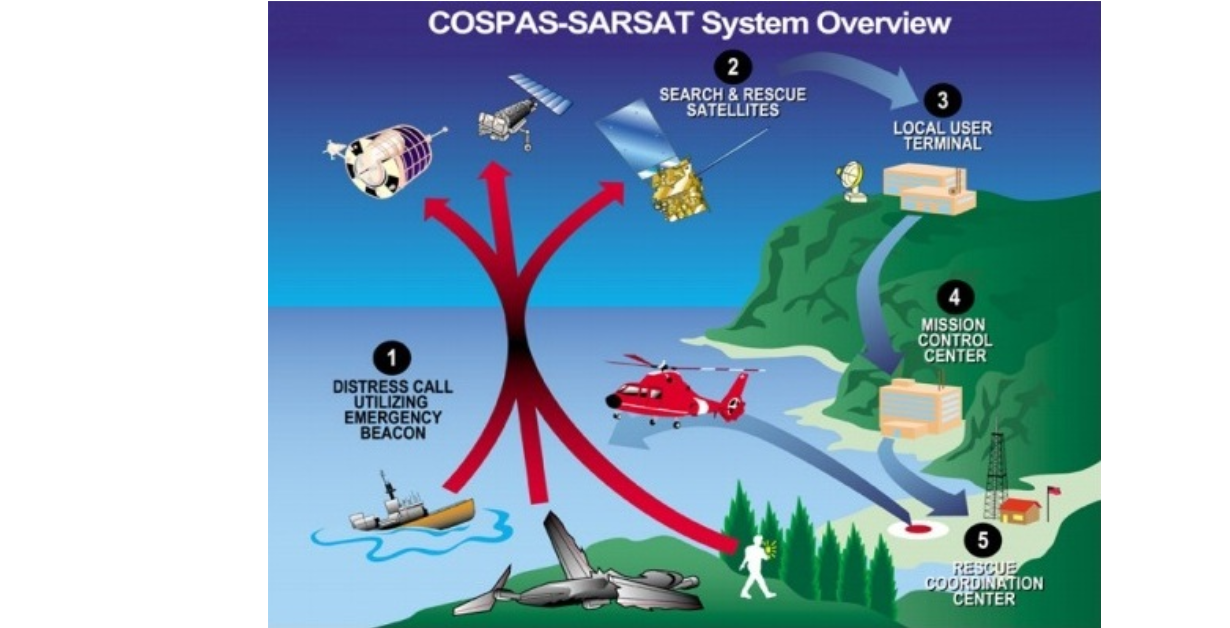
When you travel into remote areas, a reliable way to call for help can be a critical part of your safety plan. Cell phones may have no signal, and satellite messengers often depend on an active subscription and a clear view of the sky.
A personal locator beacon (PLB) is designed specifically for emergencies in places where conventional communication is unavailable.
But what is a personal locator beacon, and how does it work? This guide explains how PLBs send distress signals, what happens after activation, how they differ from satellite messengers, and when carrying one may be a smart choice.
If you’re traveling or camping in an RV, it’s also worth understanding how personal locator beacons can help in an emergency. For a practical look at PLBs and RV safety, see our guide on [RV Safety: Do Personal Locator Beacons Save Your Bacon? How PLBs Can Save Your Life].
What Is a Personal Locator Beacon?
A personal locator beacon, commonly called a PLB, is a small emergency device that transmits a distress signal through government-supported satellite search-and-rescue systems.
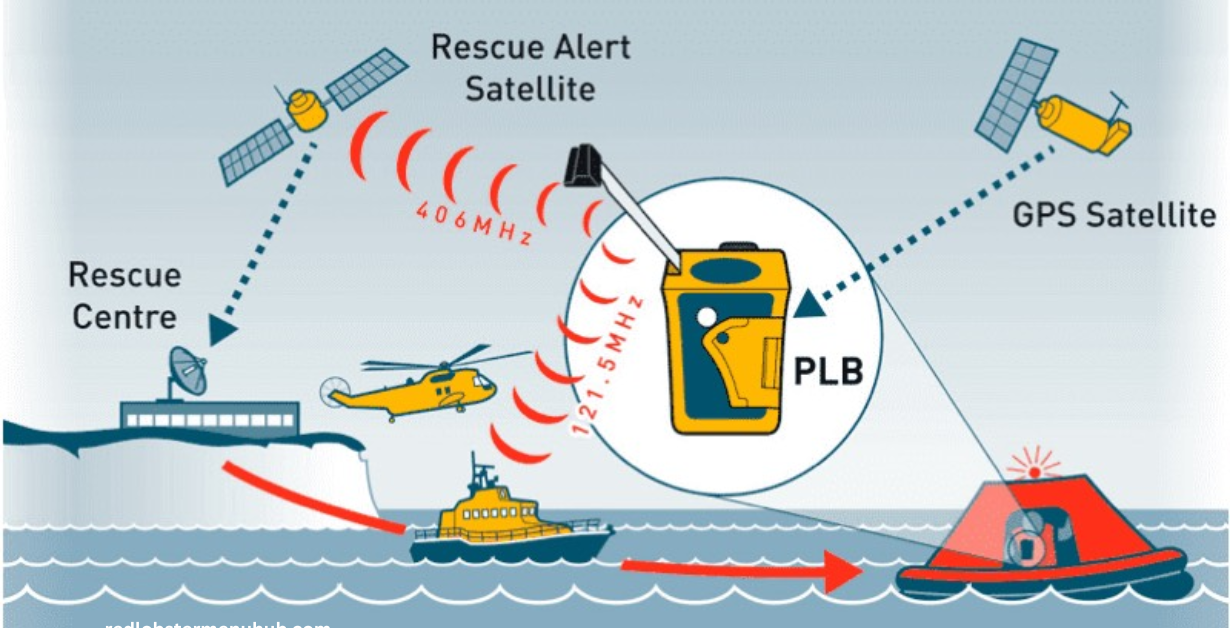
When activated, a PLB typically:
- Sends a digital distress signal on the 406 MHz emergency frequency.
- Communicates with satellites that detect and relay the signal.
- Helps provide the beacon’s location, often using an integrated GPS or other GNSS receiver.
- Alerts rescue coordination authorities, who can organize an appropriate response.
- Transmits a local homing signal to help rescuers find the beacon more precisely.
PLBs are intended for serious, life-threatening emergencies. They are not designed for routine messaging, trip updates, or casual communication.
How Does a Personal Locator Beacon Work?
A PLB uses several technologies and systems to help rescuers locate someone in distress.
1. The user activates the beacon.
Most PLBs have a protected or covered activation button. This design helps prevent accidental activation.
To use the device, you generally need to:
- Remove or open the protective cover.
- Extend the antenna.
- Press and hold the activation button as the manufacturer’s instructions require.
- Keep the device oriented toward the open sky if possible.
Because procedures vary by model, read the manual and practice identifying the activation controls before an emergency occurs.
2. The beacon transmits a distress signal.
After activation, the PLB transmits a coded emergency message on the 406 MHz frequency. This signal includes the beacon’s unique identification information. Depending on the device and its registration status, authorities may be able to associate the beacon with information such as the owner’s name, emergency contacts, and vessel or trip details.
The 406 MHz signal is designed for detection by the international COSPAS-SARSAT search-and-rescue satellite system.
For sailors and cruisers, carrying a reliable emergency beacon can provide an extra layer of safety when you’re far from shore. If you want to learn more, check out our Complete Personal Locator Beacon Guide for Sailing & Cruising.
3. Satellites detect and relay the signal.
COSPAS-SARSAT satellites receive the PLB’s transmission and relay the information to ground stations. These stations forward the alert to the appropriate rescue coordination center, based on the beacon’s location and registration details.
The system can use the signal to help estimate the beacon’s location. A PLB with an integrated GPS or GNSS receiver can usually provide rescuers with more accurate location information than a beacon relying only on satellite-based signal calculations.
4. Rescue authorities coordinate a response
Once the alert is processed, the relevant rescue authorities assess the situation and coordinate a response. Depending on the location, conditions, and available resources, assistance may involve:
- Search-and-rescue aircraft
- Coast Guard or maritime rescue teams
- Mountain rescue personnel
- Ground-based emergency services
- Local authorities or park rescue teams
A PLB generally does not send a detailed explanation of what happened. It tells authorities that the registered beacon has been activated and helps identify its location. If time and conditions allow, users should also use other available communication methods to provide additional information.
5. A homing signal helps rescuers find the user.
Many PLBs transmit a lower-power homing signal after activation. Rescue teams can use specialized equipment to locate the beacon at close range.
Some PLBs also include a visible strobe light to make the user easier to identify, particularly at night or in low-visibility conditions.
Do Personal Locator Beacons Require a Subscription?
In general, PLBs do not require a monthly or annual satellite service subscription to transmit an emergency alert through the COSPAS-SARSAT system.
However, a PLB usually must be registered with the appropriate national authority. Registration requirements vary by country, and the device’s registration information should be kept current.
Registration is important because it can help rescue authorities:
- Identify the beacon owner
- Confirm emergency contact details
- Verify the device’s identifying information
- Distinguish a genuine emergency from an accidental activation
- Obtain useful information about the person or group that may be missing
A PLB is not a substitute for checking local registration rules. Before using one, confirm the requirements in the country where the beacon is registered and where it will be carried.
If you’re considering getting a PLB for hiking, boating, or other outdoor activities, knowing what features matter can help you make the right choice. For more detailed advice, check out our Personal Locator Beacon Buying Guide: Everything You Need to Know.
How Accurate Is a Personal Locator Beacon?
A PLB’s accuracy depends on its design, whether it has GPS or GNSS capability, and environmental conditions.
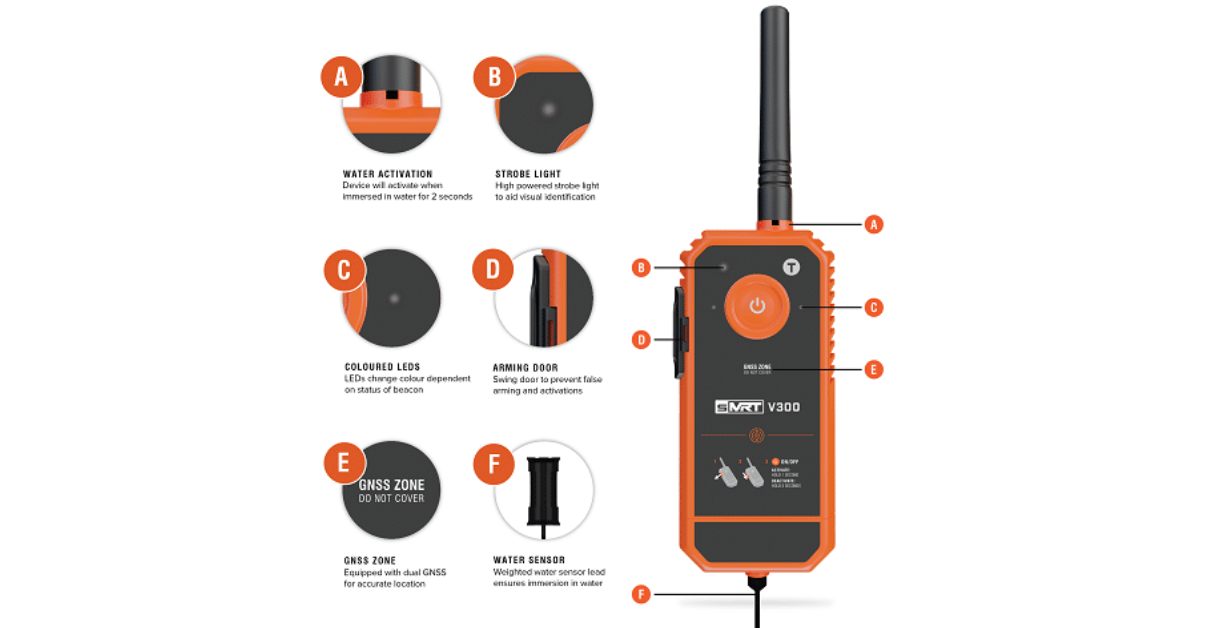
A GPS-enabled PLB can often provide a location accurate to within a relatively small area when it has a clear view of the sky and successfully obtains a satellite position. A beacon without a location receiver may require satellite systems to calculate its position from the radio signal, which can take longer or produce a less precise result.
Obstructions can affect performance. Dense forest, deep valleys, steep canyon walls, buildings, and heavy overhead cover may make it harder for a beacon to communicate with navigation satellites or rescue satellites.
For the best chance of detection:
- Move to an open area if it is safe to do so.
- Keep the antenna pointed upward.
- Avoid covering the antenna with your body or equipment.
- Leave the beacon switched on after activation.
- Follow the manufacturer’s instructions while waiting for rescue.
Never put yourself in greater danger simply to obtain a clearer signal.
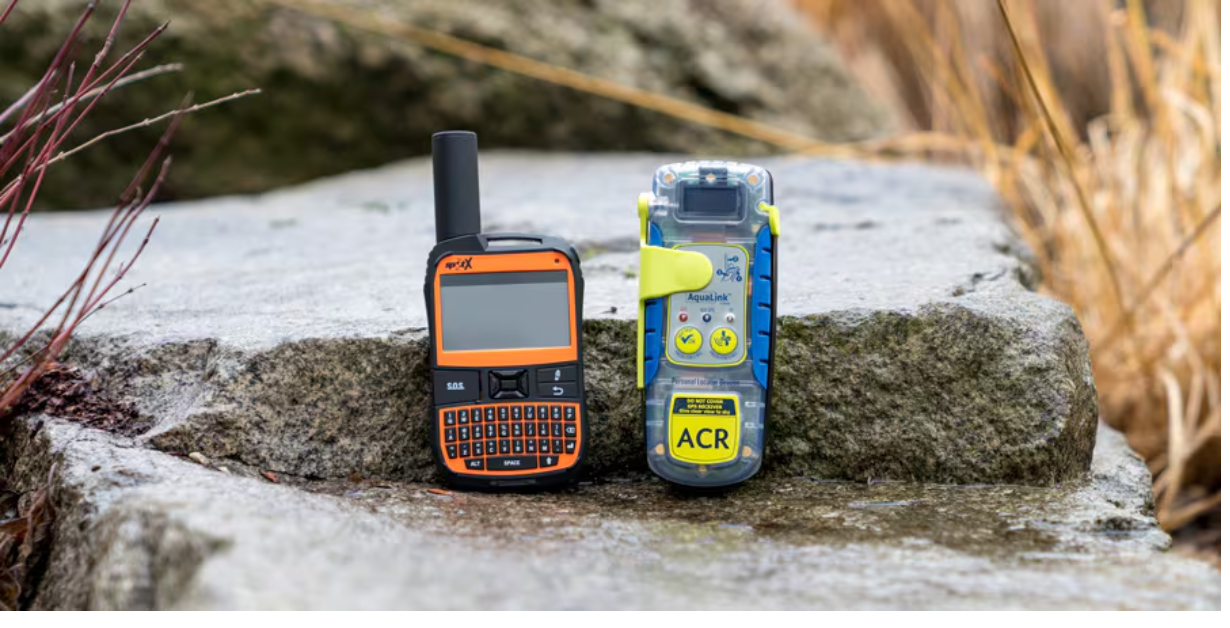
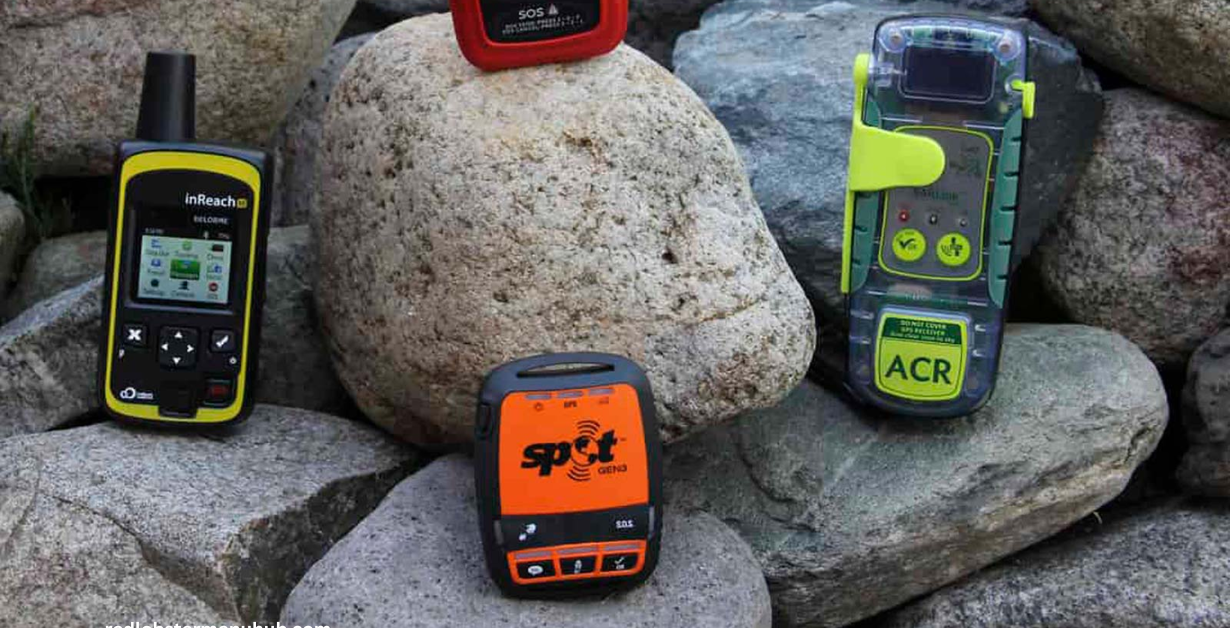
What Is the Difference Between a PLB and a Satellite Messenger?
PLBs and satellite messengers both use satellite technology, but they serve different purposes.
| Feature | Personal Locator Beacon | Satellite Messenger |
|---|---|---|
| Primary purpose | Emergency distress alert | Two-way messaging and tracking |
| Emergency network | COSPAS-SARSAT search-and-rescue system | Commercial satellite network |
| Subscription | Usually not required | Usually required |
| Two-way communication | Generally unavailable | Usually available |
| Routine messages | No | Yes |
| Location sharing | Emergency-focused | Often available continuously |
| Best suited for | Serious, life-threatening emergencies | Communication, tracking, and emergency messaging |
A satellite messenger can be useful when you want to send regular updates, share your location, receive weather information, or communicate with an emergency contact. A PLB is more specialized: it is a dedicated distress beacon intended to summon help in a serious emergency.
Some people carry both. A satellite messenger can provide everyday communication, while a PLB serves as an independent emergency backup.
What Are the Advantages of a Personal Locator Beacon?
A PLB can be a valuable safety tool for people who spend time far from reliable communications.
No cellular coverage required
A PLB is designed for remote environments where mobile phone service may be unavailable.
No service subscription in most cases
Unlike many satellite messengers, a PLB generally does not depend on a paid messaging plan.
Direct connection to search-and-rescue authorities
PLB alerts are handled through an established international search-and-rescue system and routed to the relevant rescue coordination authorities.
Long battery life
PLBs are designed to remain ready for extended periods. Their emergency batteries typically have a defined replacement or service interval, and the beacon must be maintained according to the manufacturer’s instructions.
Dedicated emergency function
Because a PLB is built primarily for distress signaling, it usually has a simple purpose and limited number of controls. That can be helpful during a stressful emergency.
What Are the Limitations of a PLB?
A PLB is not a guarantee of immediate rescue. Its effectiveness depends on several factors, including the user’s location, weather, terrain, satellite visibility, battery condition, and the availability of rescue resources.
If you rely on a boat winch during your trips, proper maintenance is just as important as having reliable emergency equipment onboard. You can also learn more about boat winch maintenance and premature wear in our guide, Can You Over-Grease a Boat Winch? The Truth About Premature Wear.
Important limitations include:
It usually does not provide two-way communication.
A PLB can alert authorities, but it generally cannot tell them what happened, how many people need help, or what kind of assistance is required.
Rescue may take time.
Remote rescues can be delayed by weather, darkness, distance, terrain, or the availability of trained personnel and aircraft.
It must be activated correctly.
A beacon that remains in a backpack, has not been registered, has a depleted battery, or is not properly activated may not work as intended.
False activation can create unnecessary risks.
Accidental activation may trigger a serious emergency response. If a PLB is activated by mistake, follow the manufacturer’s instructions and contact the appropriate authority as soon as possible to report the error.
It does not replace preparation.
A PLB should supplement—not replace—navigation skills, first-aid knowledge, weather planning, appropriate clothing, food, water, and other essential equipment.
When Should You Carry a Personal Locator Beacon?
A PLB may be appropriate when you are traveling in areas with limited or no cellular coverage, and the consequences of an emergency could be severe.
Examples include:
- Backcountry hiking
- Mountaineering and climbing
- Remote camping
- Ski touring
- Wilderness hunting
- Offshore boating
- Sea kayaking
- Long-distance sailing
- Expeditions in remote regions
- Remote aviation activities
The decision depends on your route, group size, environment, experience, season, and access to help. Even a short trip can involve significant risk if it takes place far from roads, populated areas, or reliable communications.
How to Choose a Personal Locator Beacon
When comparing PLBs, consider the following features:
GPS or GNSS capability
A beacon with an integrated location receiver may help provide rescuers with a more accurate position.
Battery duration and service interval
Check the expected operating time after activation and the battery replacement schedule. Confirm whether the battery can be replaced by the user or must be serviced by an authorized provider.
Waterproofing and durability
Remote travel can expose equipment to rain, snow, immersion, dust, impacts, and extreme temperatures. Choose a device rated for the conditions you expect to encounter.
Activation design
Look for controls that are easy to identify and operate under stress, while still being protected against accidental activation.
Strobe light and homing signal.
These features may help rescuers locate you after they reach your general area.
Size and weight
A beacon is useful only if you are willing to carry it. It should be easy to access quickly rather than buried at the bottom of a pack.
Registration requirements
Confirm that the model can be registered in your country and understand how to update your ownership and emergency contact information.
How to Use a PLB Safely
Before taking a PLB into the field:
- Register the beacon with the appropriate authority.
- Record the beacon’s identification number and keep it with your trip information.
- Tell someone where you are going and when you expect to return.
- Read the user manual and understand the activation procedure.
- Check the battery and self-test status before each trip.
- Inspect the antenna, cover, housing, and controls for damage.
- Carry the beacon where it is quickly accessible, not deep inside a pack.
- Test only as directed by the manufacturer. Avoid unnecessary test transmissions.
- Keep registration and emergency contact details current.
- Know how to cancel or report an accidental activation.
During a genuine emergency, activate the beacon as soon as you determine that you need outside rescue. Do not wait until your situation becomes impossible to manage if conditions are worsening or you are seriously injured.
Frequently Asked Questions
Does a PLB work anywhere in the world?
PLBs are designed to work across broad areas through the international COSPAS-SARSAT search-and-rescue system. However, local regulations, registration requirements, coverage conditions, and rescue capabilities vary. Verify that the specific beacon is approved for use in the countries where you plan to travel.
Can a PLB send text messages?
Most PLBs cannot send text messages. They are designed to transmit an emergency alert and location information rather than support routine communication.
Can a PLB call 911?
A PLB does not typically place a telephone call. Instead, it sends a distress alert through the satellite search-and-rescue system, which routes the information to the appropriate rescue authorities.
Should I turn off a PLB after activating it?
Generally, you should leave the PLB operating after activation so it can continue transmitting. Follow the manufacturer’s instructions and any directions provided by rescue authorities.
Is a PLB better than a satellite messenger?
Neither device is universally better. A PLB is usually the more specialized option for a life-threatening emergency, while a satellite messenger is better for two-way communication, tracking, and routine trip updates. Your needs may justify carrying one or both.
Final Thoughts
A personal locator beacon is a dedicated emergency device that sends a distress alert through the COSPAS-SARSAT satellite search-and-rescue system. After activation, it can help notify rescue authorities, provide location information, and guide rescuers toward the user.
PLBs are especially useful in remote environments where cell service is unavailable, and a serious emergency could quickly become life-threatening. They do not replace careful planning or other safety equipment, but they can provide an important backup when communication options are limited.
Before relying on a PLB, register it, maintain it properly, learn how to activate it, and carry it where you can reach it quickly.
📅 Last updated: